This page is a visual primer for my project proposal for the Arts Council R+D Grant Application.
Cloud Signals is a research-led project to develop a bespoke 5G/WiFi ‘Radio Camera’ to visualise the invisible digital and topological geographies of the city.
Introduction
The idea for this project grew from my artwork Window, which kick-started for me the subject area of Data Infrastructures as a site of artistic research.
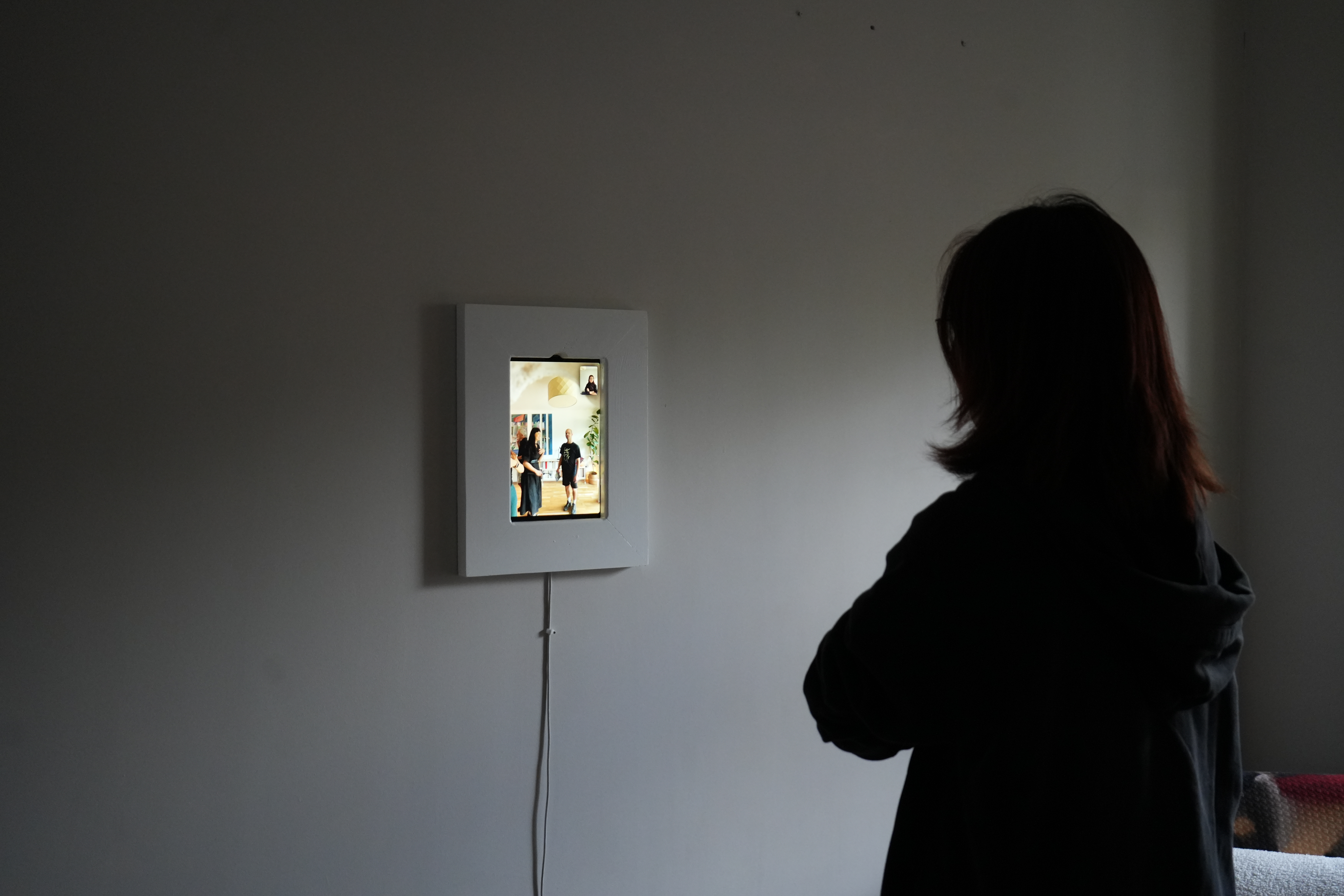
Window is an installation of two iPads, precisely aligned, either side of a wall, Facetiming eachother. In utilising Apple’s Facetime video call infrastructure, Window employs a connection between two devices spaced 30cm apart made by passing data through a city-wide network infrastructure.
I became more fascinated by these infrastructures, resulting in a talk titled Cloud-Watching Through My Window at Phreaking Collective’s Does Cloud Compute (ever) Precipitate exhibition, where Window was shown. Whilst writing this talk, I created a map of the journey my signal would take from one side of the wall to the other.
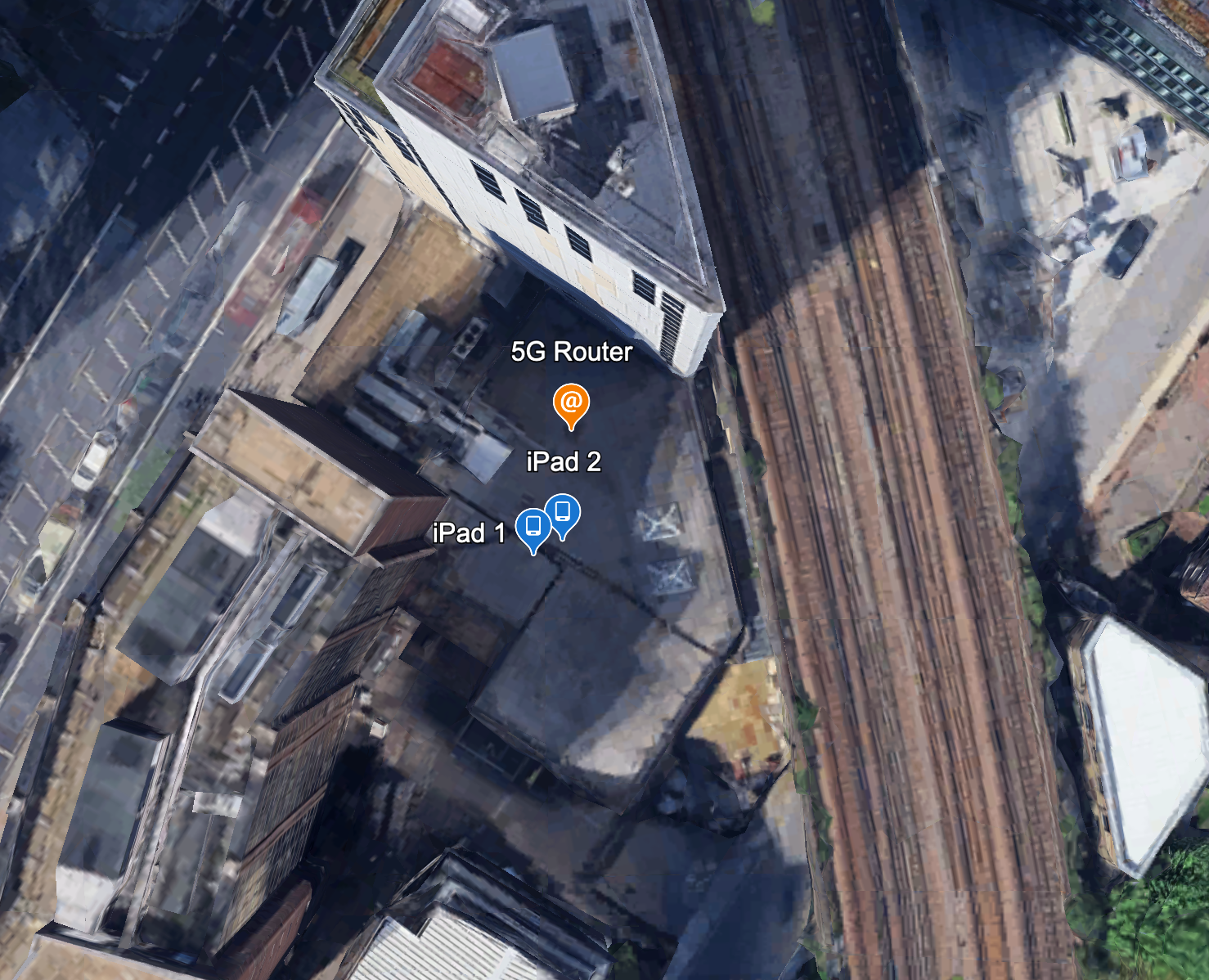
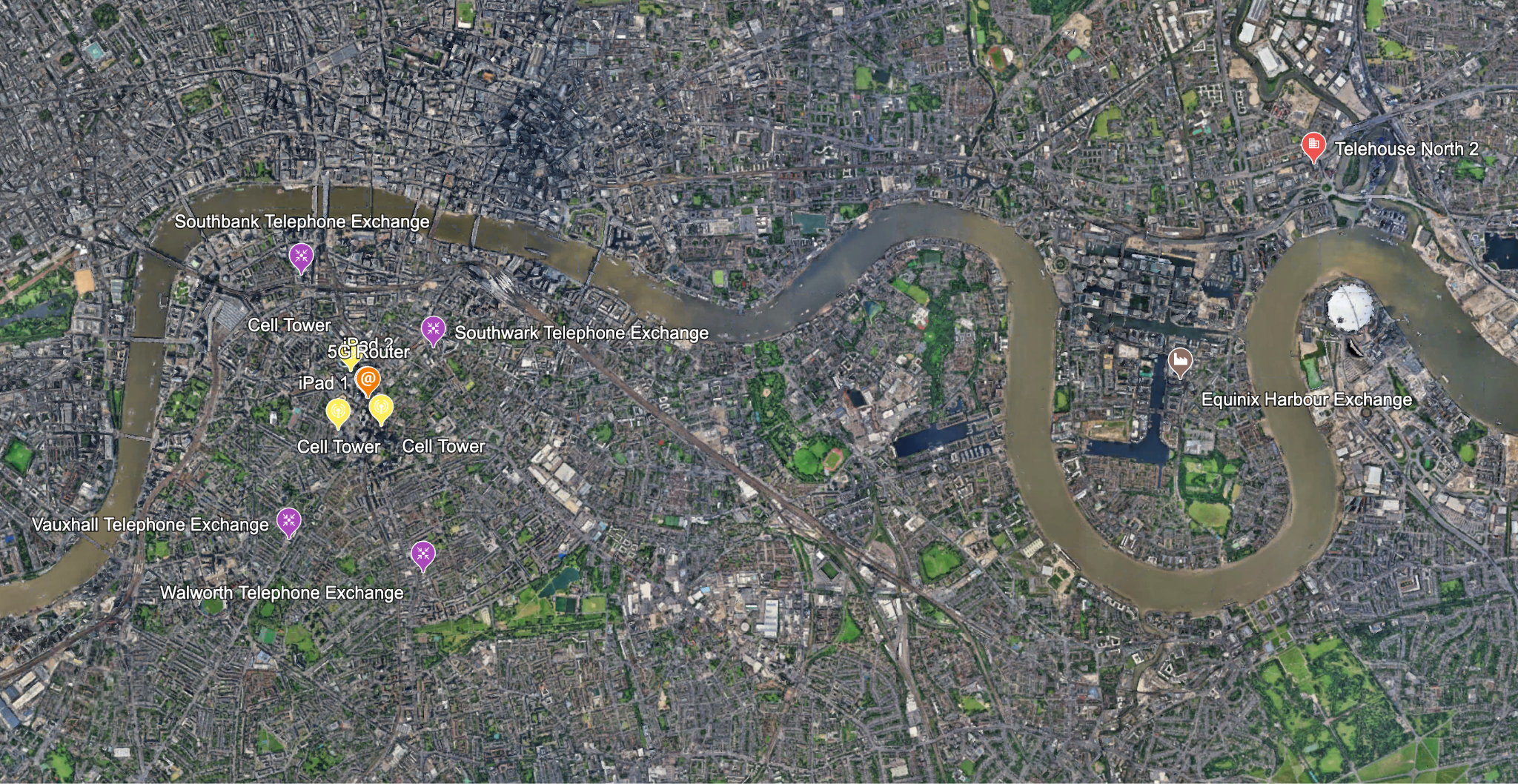
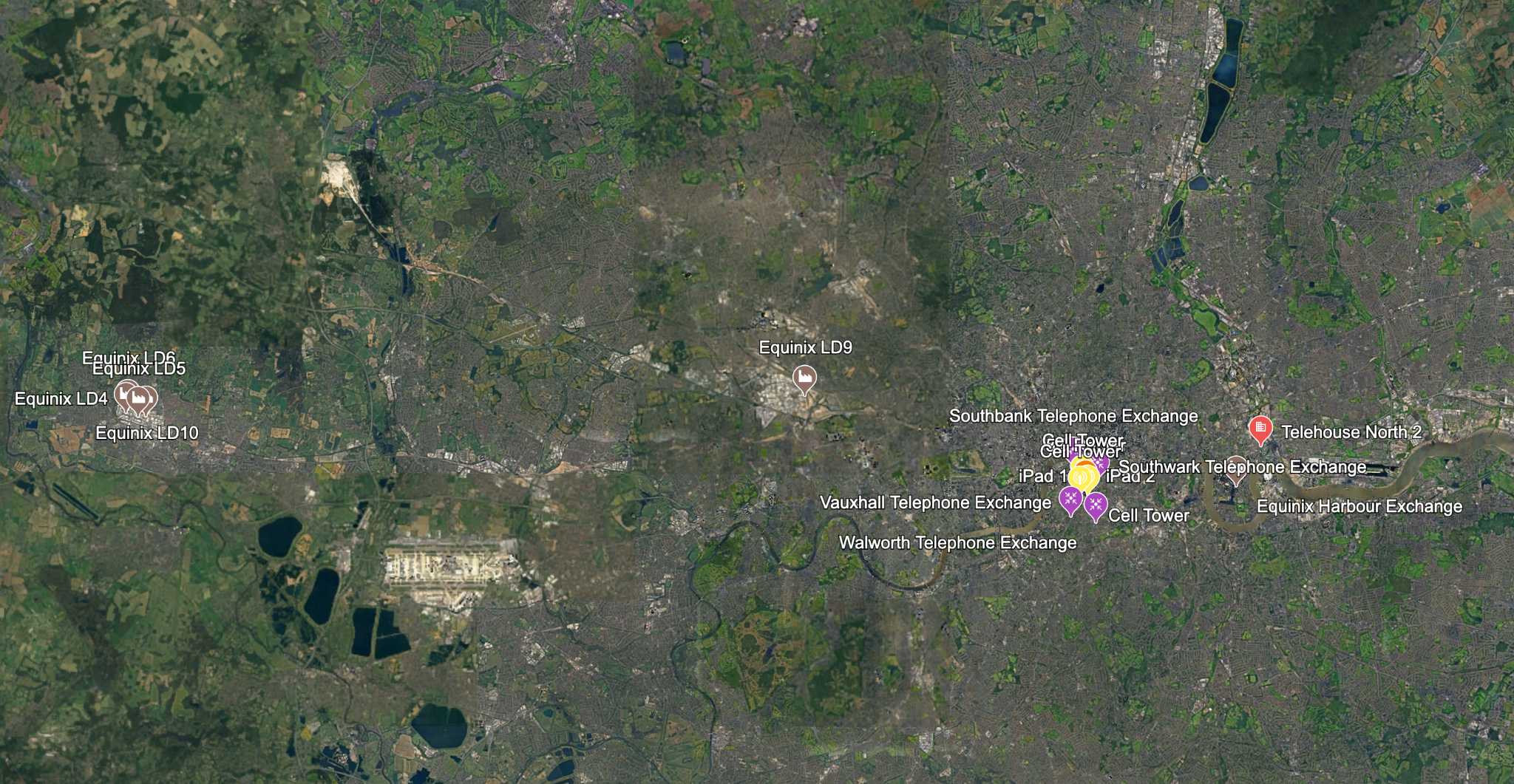
This sense of data signals being an ever-present substrate through which we move in our modern lives developed a desire to produce a way to see it.
Proposal
The proposal for Cloud Signals is a 12-month research-and-development project to engineer a bespoke “Radio Camera”: a hardware-software instrument designed to visualise the invisible, topological geographies of 5G and WiFi infrastructures.
The project is rooted in the concept of Infrastructural Counter-Mapping. In 2026, “The Cloud” is often presented as a metaphor, as if weightless and omnipresent. In reality, it is a physical topology of masts, data centers, and specific frequencies that reinforce urban power structures.
I will engineer a high-gain parabolic ‘cantenna‘ receiver integrated with an actuated mirror array; a bespoke optical system that functions like a terrestrial radio telescope to mechanically scan and focus electromagnetic topologies. Using Software Defined Radio (SDR) to decode this substrate, my “radio camera” seeks to evolve the tradition of street photography for the digital age. Beyond photographing light, I am photographing the “data-exhaust” of the city. This work sits at the intersection of Media Art and Digital Rights, questioning who has the right to see, map, and understand the signals that permeate our bodies and private spaces.
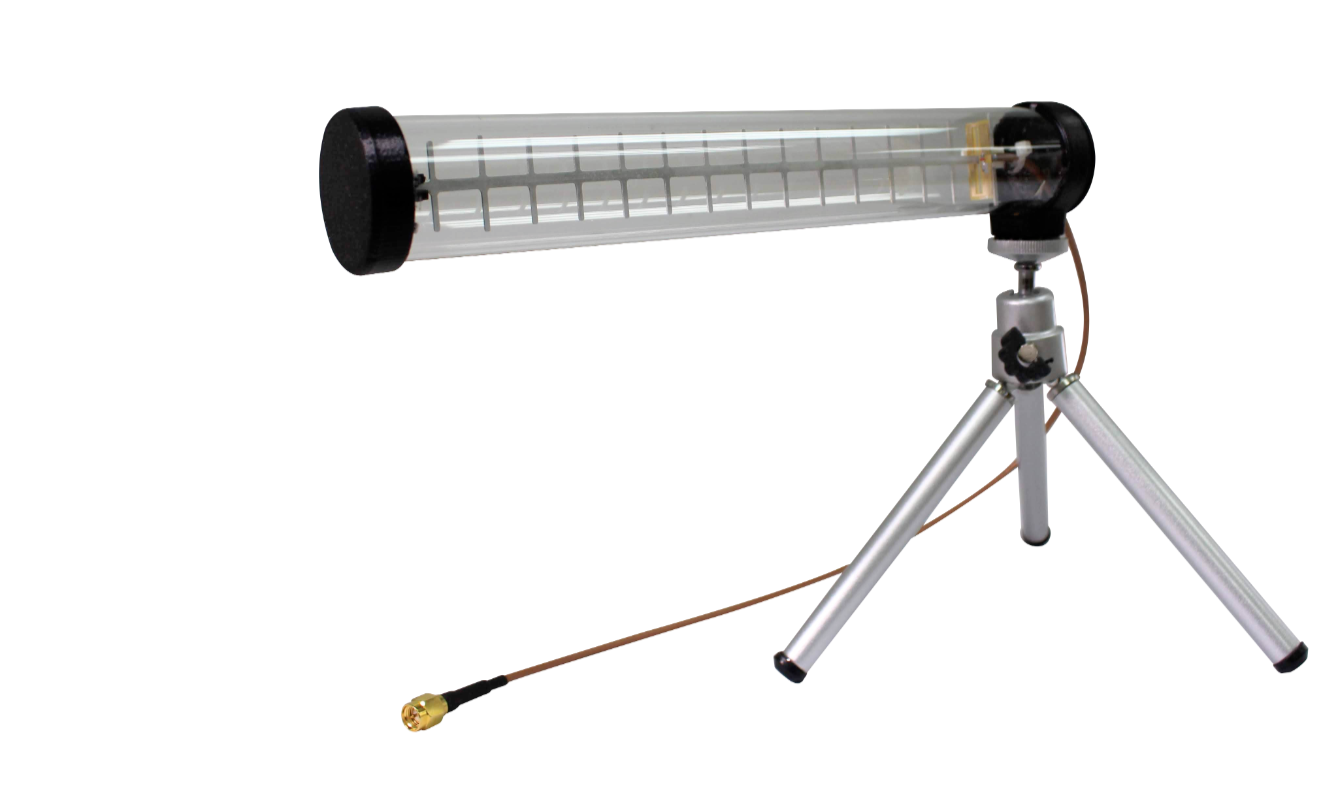
A cantenna is a form of lo-fi directional antenna, affectionately named for the customary use of a tin can or pringles can.
My plan is to take this idea and use the direction as a “pixel”. By capturing the signal strength in a given direction, and then moving the antenna and capturing the new direction, we can build up an ‘image’ of the radio signals across the arc of our measurement.
An example can be found in this video:
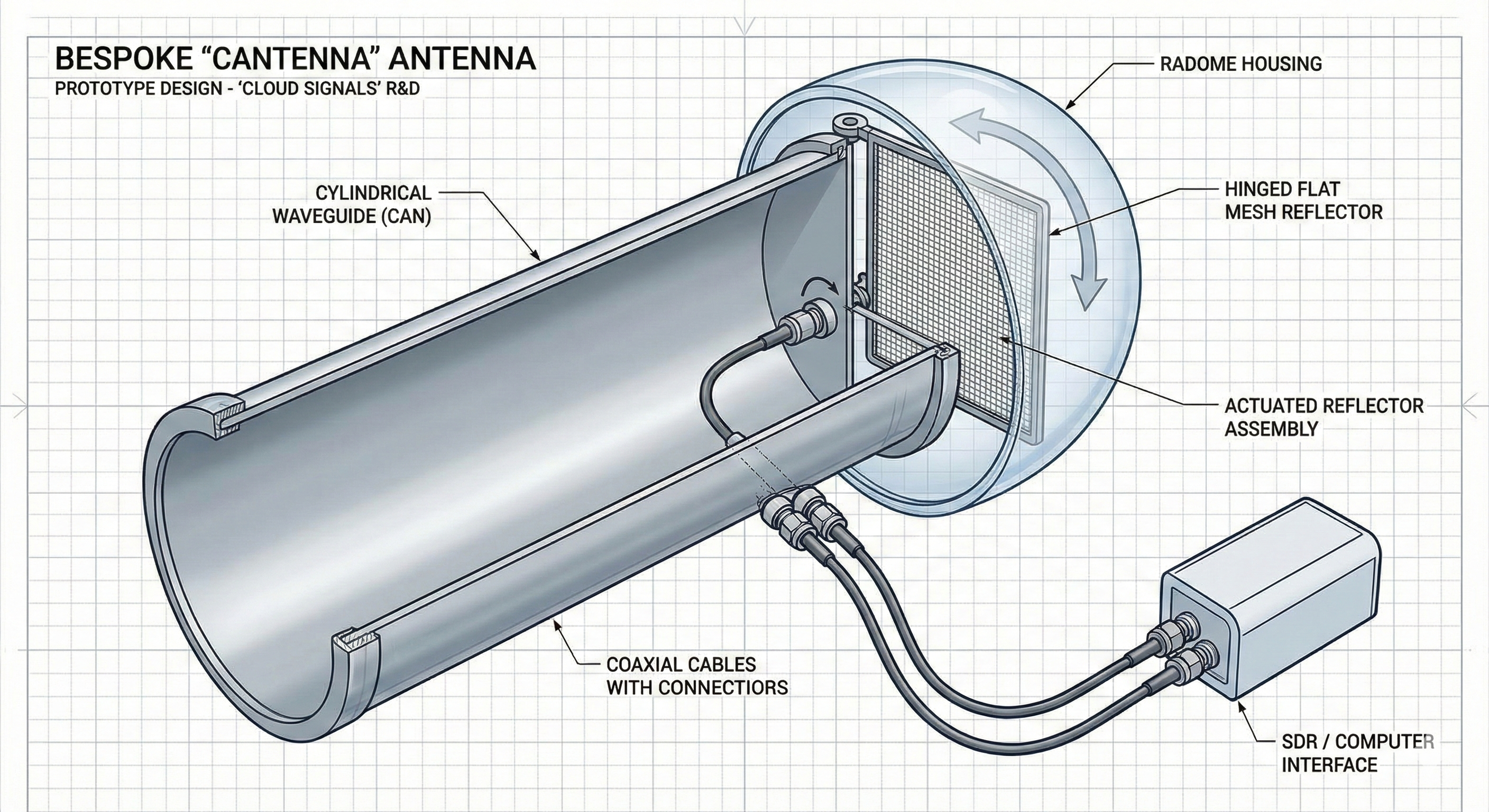
How I want to alter this design is to use a reflector at the end of the ‘can’ to bounce light into the antenna. This reflector would then rotate around the circumference of the can, as well as opening out (imagine a hinged lid to the pringles can which is able to rotate around its lip). This would be fewer moving parts, allowing for both high precision and far faster imaging speeds!
Previous work
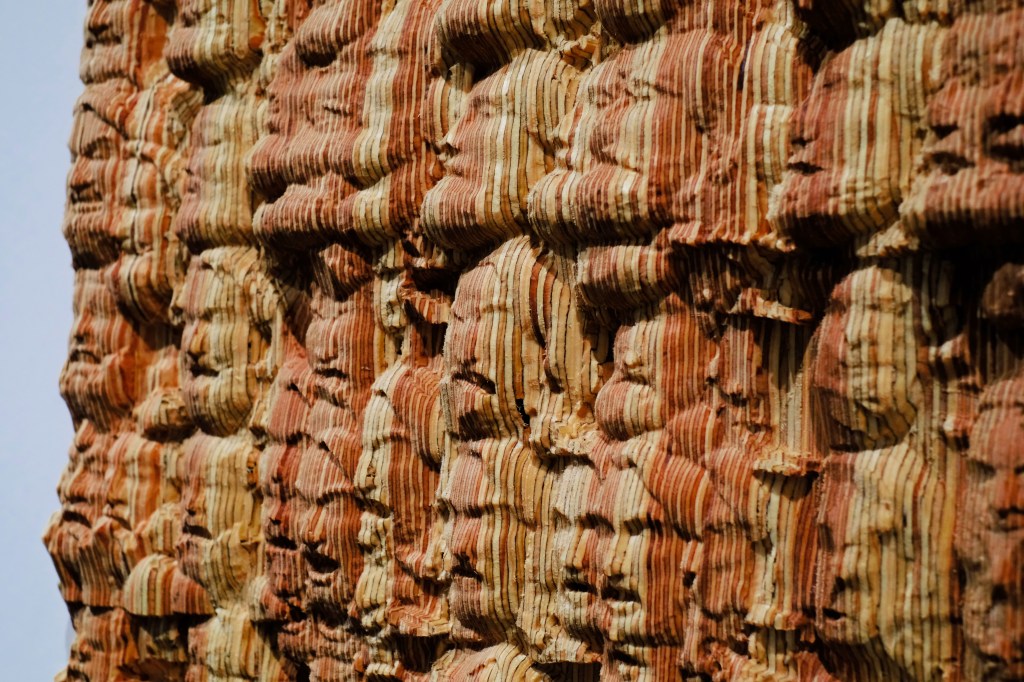
To evidence my capability for designing and constructing this project, here are a selection of previous artworks showing my electronics, fabrication, and software skills.



Thank you for taking my project into consideration.
 Robin Leverton