I was lucky enough to be invited to be an exhibiting artist with the Phreaking Collective in their show at the ANNEX Gallery by Koppel Projects.
They also invited me to give a talk, of which this is the bloggified version. I’d like to walk you through my piece, Window, which is an installation of hidden geographies as it were, and try to uncover what those geographies are.
The title of the show is “Does Cloud Compute (ever) Precipitate?” and the heart of my investigation is precisely what and where does it precipitate from?
I think many of us are on some level aware of the curiosity of “what is the cloud?” to which there is a common epithet “somebody else’s computer”, so again, who’s computer? Where is it? How are they connected?
How does me typing into an address bar bring up websites and videos created by people across the world? What’s the pathway my emails or whatsapps are taking to go from my phone to my friend across the country?
And what is the route my videocall takes from one side of a wall, to the other?

One of the seductive qualities of the so called cloud is its emergence along with mobile computing and internet. It’s a skeuomorph that occurs when we go wireless.
The two technologies are related by the necessity to have robust and fast communications infrastructure, and the economies of scale for having all your compute in one place, enabling real-time offloading of computationally heavy tasks, directed by client devices making HTTP requests.
The irony of Ultron here is his compute is probably being managed in a Stark datacentre, and he’s connecting to the cloud via 5G.
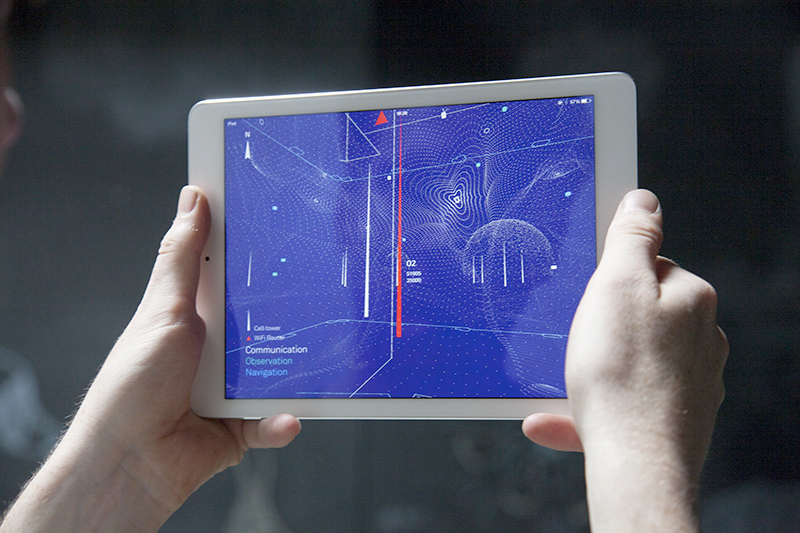
(architectureofradio.com)
The precipitation of water from your cumulonimbus is observable, physical, in contrast to the data cast to our phones and laptops which feels like magic.
More so, unlike the dispersed area over which rain is spread, we feel singularly connected, targeted in the reception and transmittance of data.
When you load up a webpage on your phone, the person sitting next to you doesn’t also get the same thing pop up on their browser.
Richard Vijgen’s app Architecture of Radio provides an indication of this physical space, overlaying an augmented reality view of publicly registered radio sources.

(www.youtube.com/watch?v=zijQUOHOshY)
But this data is physical. It is light. In longer wavelengths than the visible spectrum. Our devices receive and transmit radiowaves, specifically microwaves. For wifi this is the familiar 2.4 GHz and 5 GHz range, and for 5G this can be up to 24 or 71 GHz.
With the right antenna we can map these sources out as imagery.
The dim room you might be reading this in is completely lit up with the rain from cloud services and the evaporation we send back.
It is all very convenient for entities involved in the collection, analysis, and distribution of data for the cloud to feel magical, and distant, untouchable and ethereal.
If we are unaware of the nature of these technologies, where they are, what resources they need, what influence they have, and yet increasingly rely upon them, we are decoupling ourselves from our civic environments.
In our current political environment it is important to note that the American Government retains the right to sequester user data from any US based tech firm, even if that data is held on servers located outside of the US.
The cloud is a manifestly real non-place, a distributed network of computers, held in co-location sites across the world. And in this blog post I am going to walk us through the transmission of a signal that happens over 30 cm, either side of a wall.
Network Edge (Window)
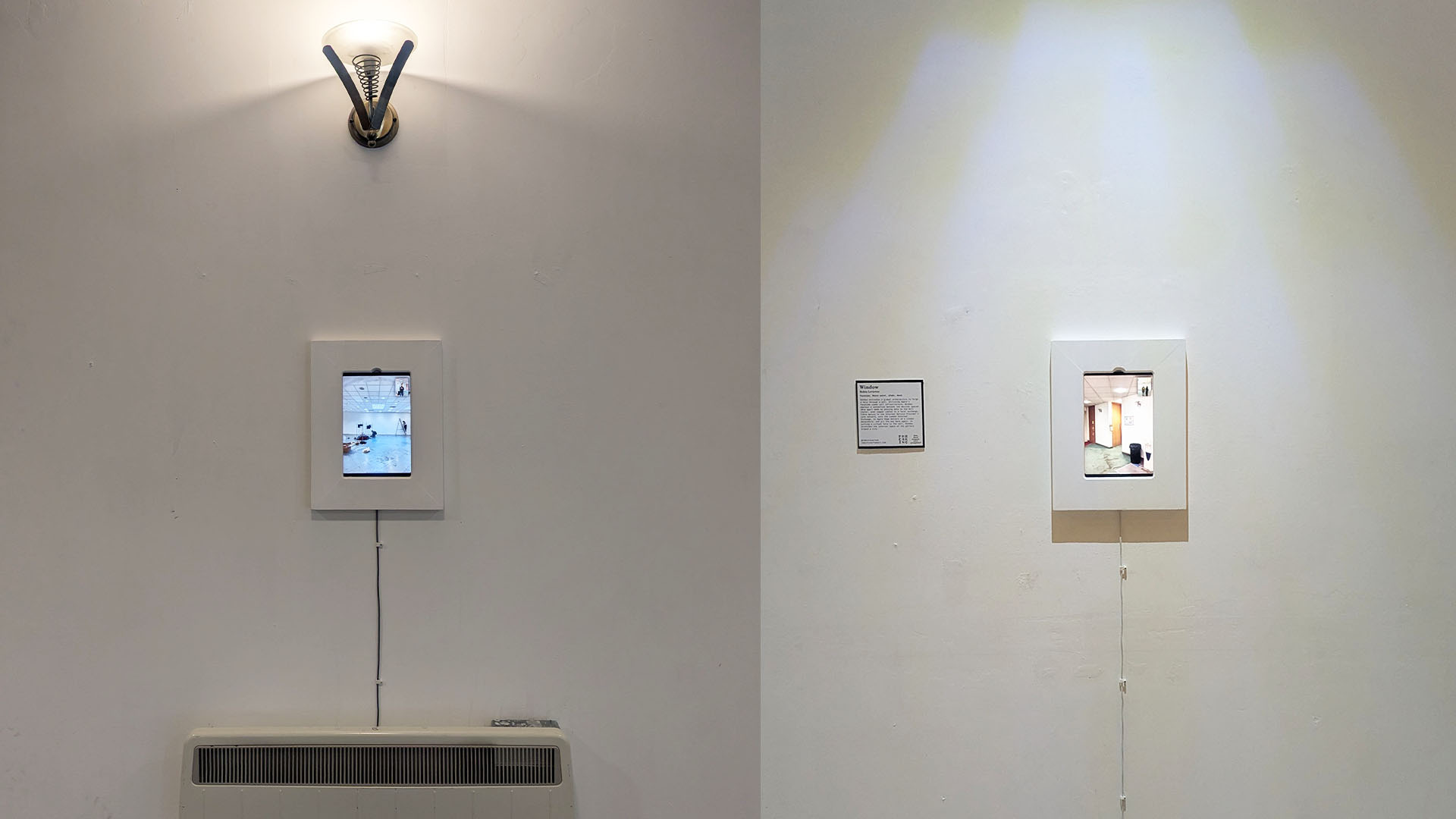
FaceTime, iPads, Wood
When I thought of Window, it was during the curation for APT: Thresholds, an exhibition held last August in the apartment of my friend Miso.
Thresholds mused on the parallel universes of next door’s WIFI. These data bubbles of private domestic networks are an inextricable, immaterial, ubiquitous architecture of the modern home.
Nearly every urban space has some form of local wireless internet connection, either private such as in an office, or public such as in a bar.
Local Area Networks
But what’s happening when we contact devices within these same networks?
At the heart of it is centred this idea of interiority of a space.
If I got up and went to talk to a housemate, the interaction stays wholly within the confines of the house. If we had walkie-talkies, or were shouting, this transmission would be available to those nearby, they are no longer interior to the house, but they are still essentially local communication.
But within a common network it is possible to send a message directly to another device on that network, interiority is achievable.
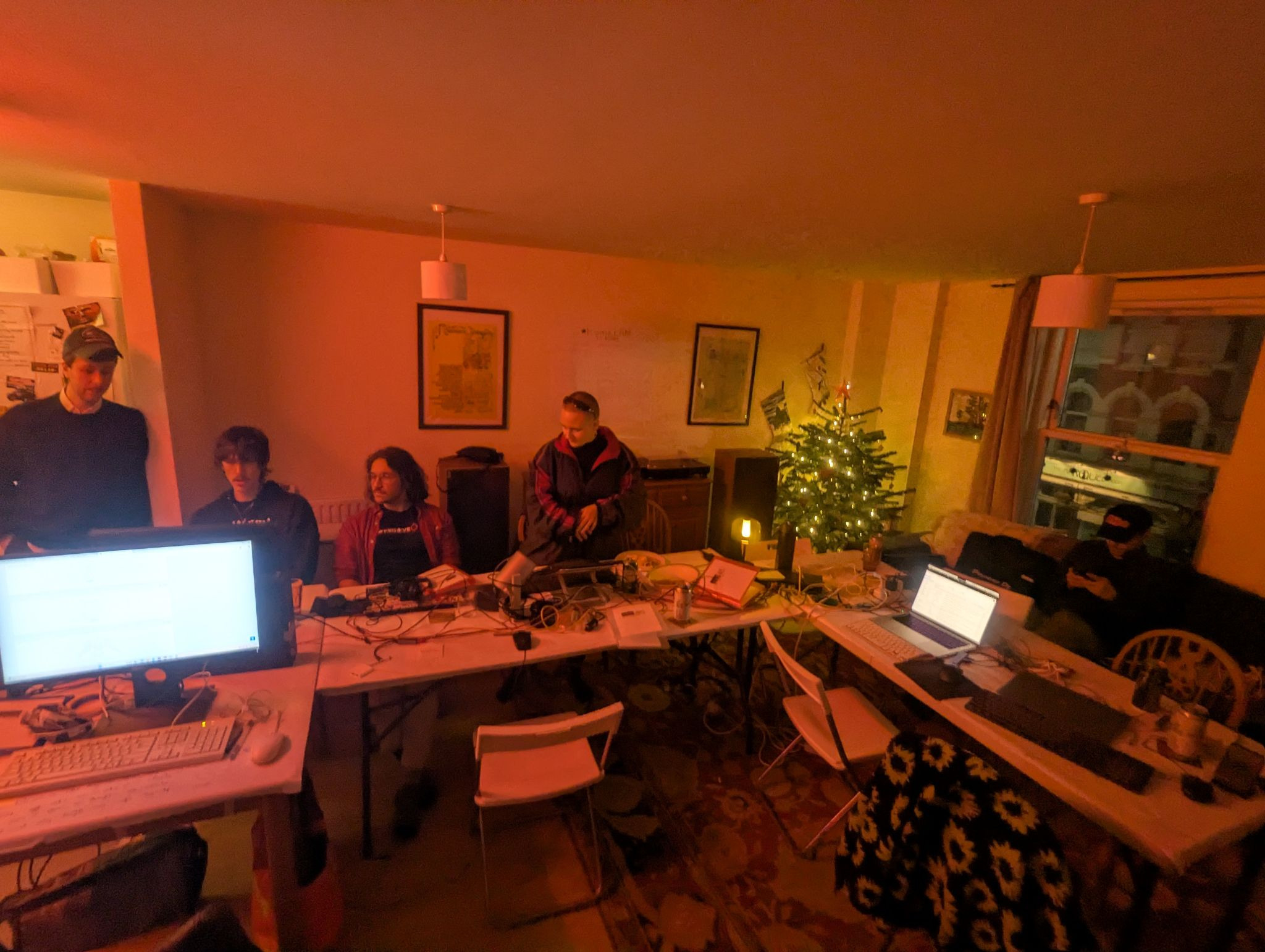
This image is from a LAN party I attended in December put on by homeLAN, a small collective reimagining the idea of masculinity in Local Area Networks. Willem, Ciaran, and Wiktor invited a group of us round to Willem and Ciaran’s flat to participate in reviving this gaming tradition of bringing computers physically together in a space to network and collectively play.
In an age where the telepresence of gaming servers and voice over internet protocol make multi-continental play routine, the construction of a rudimentary, wired-by-ethernet-switch connection, between the 10 or so interested computer users, becomes important in its hyperlocality. Building this network itself was the social focus, the gaming at the end was one use case for us to imagine what we can do with these networks. We can say that this collective cyberspace existed entirely within the walls of the flat.

But we know this cannot be happening through internet based services where the addressee is primarily an account holder.
Some kind of authorisation system must be triggering to verify that a legitimate account is sending a legitimate packet of data to another legitimate account on the same service.
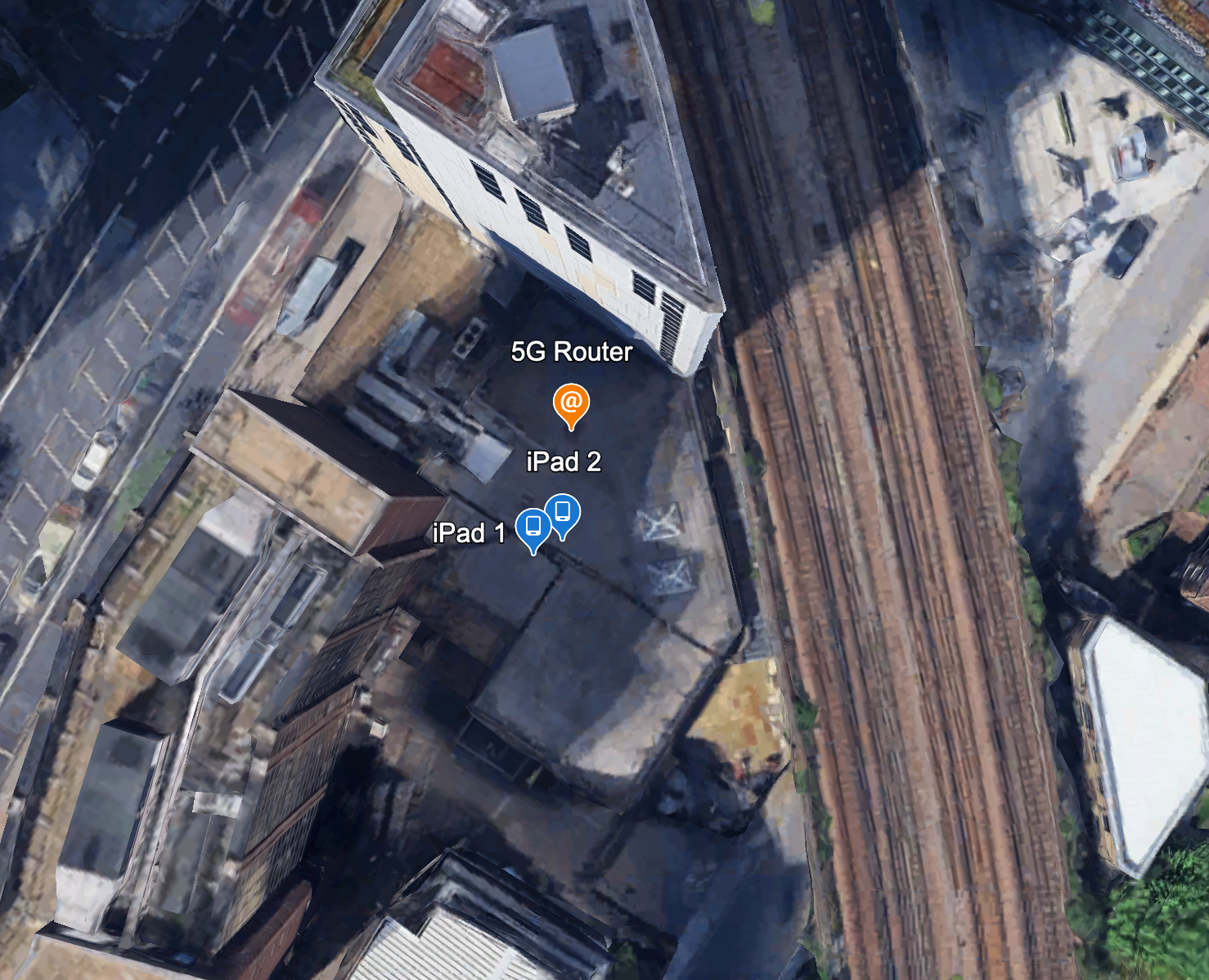
Here is all that is necessary for these two ipads to communicate with each other. Facetime requires they verify their identities to know that one ipad wants to talk to the other.
This is the other core curiosity of the whole Window installation. Facetime. There is a particular insularism to Apple’s ecosystem that carries a cultural weight other corporations don’t quite manage to get the marketing right on. It derives its etymology from the colloquial noun used as an example in “to grab some face time” with somebody as a contrast to a phone call or later email.
As a software it is just a video calling service. But it is a particularly “Apple” service. It is their ecosystem built in default video calling service and has entered our vernacular as a verb. One might go *on* zoom and have a zoom call, or call someone on google meet, or god forbid call them on Teams, but you facetime someone.
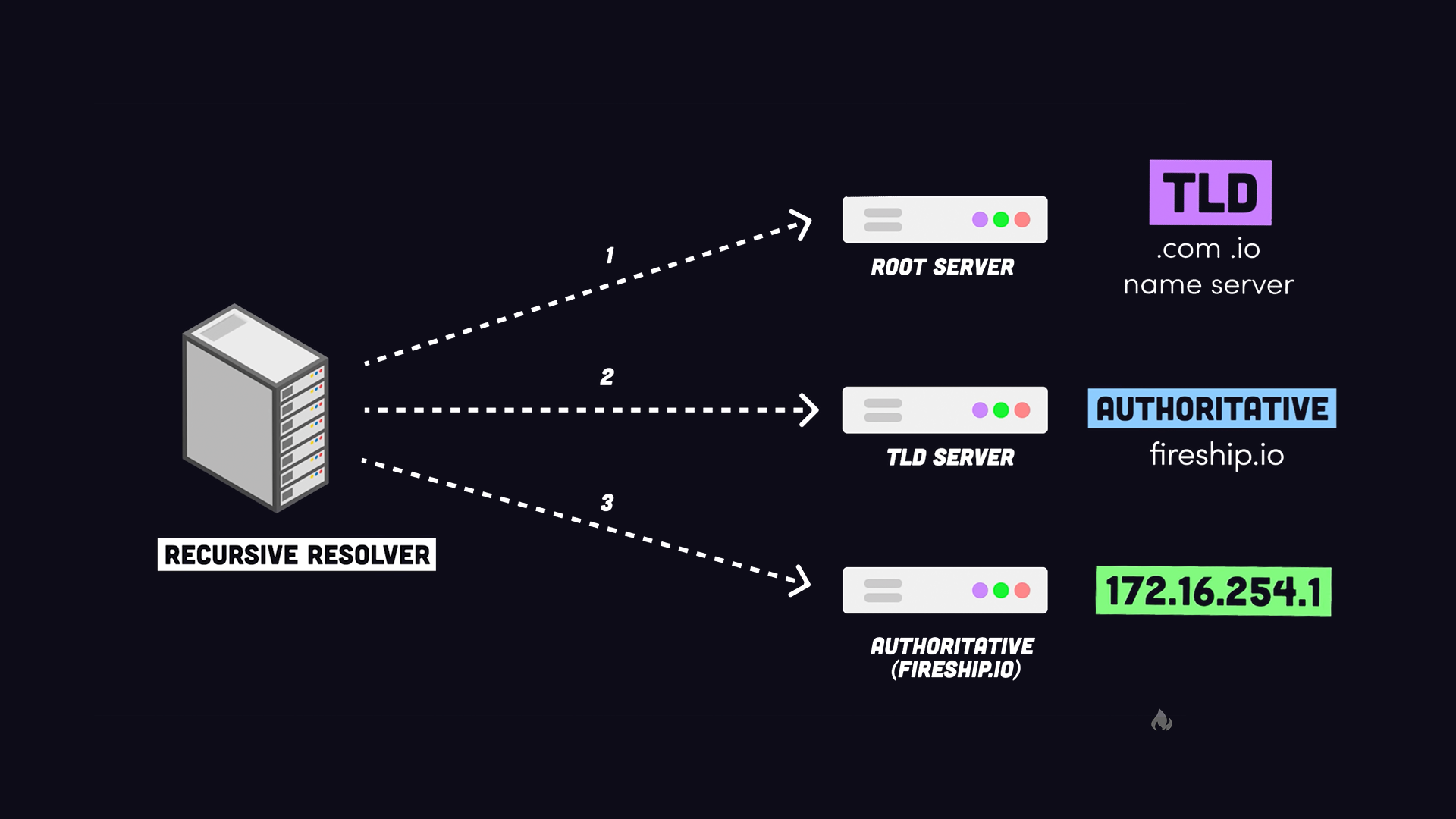
Fireship – DNS Explained in 100 seconds
(youtube.com/watch?v=UVR9lhUGAyU)
So the first port of call is find out where the other device is. Our device does this by first sending to our router a DNS Query for apple’s identity service, asking where are the devices that this email address I’m calling is connected to.
DNS is the Domain Name Service that acts as the address book for the internet. This involves a complex back and forth so bare with me.
We send a message to the “recursive resolver” this is our local DNS server that will send out a query to one of 13 root servers in the world. This gives our resolver the address of the Top Level Domain server.
This TLD manages a list of domain names registered under that code at the end, e.g. .com or .uk If we’re looking for Apple.com, the TLD for .com is run by a company called Verisign who will pass our resolver the address for the Authoritative Name Server.
This is a server managed by a DNS provider and has information about the specific ip address of the website domain you are trying to visit. In our case, for FaceTime, this will be Apple themselves, who will now pass back to our original device, the address of Apple’s identity servers.
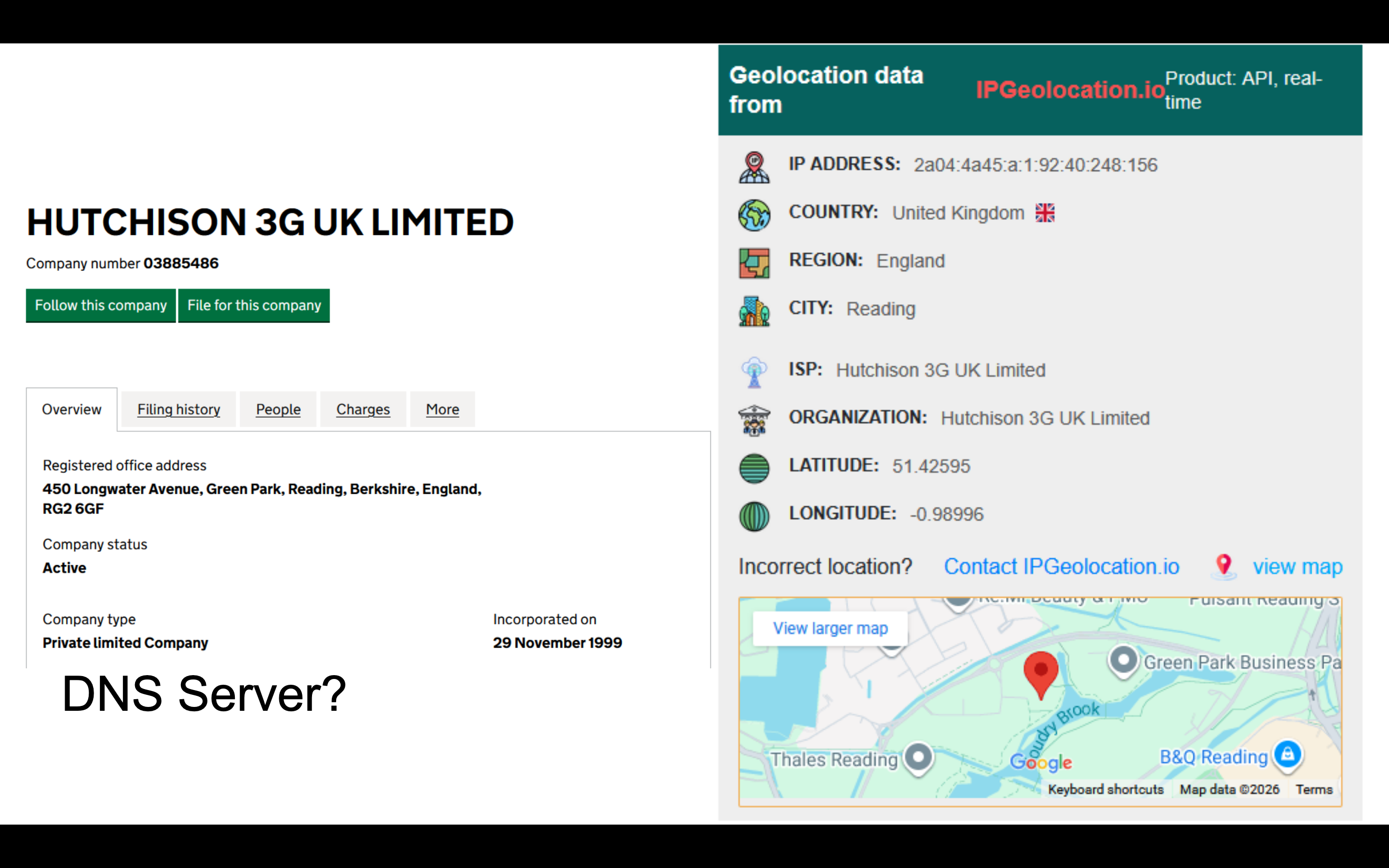
Where is that initial DNS server, the recursive resolver, that the router is sending our message to? Well, it’s complicated…
When we perform an nslookup (name server lookup) command we get this IPv6 address: 2a04:4a45:a:1:92:40:248:156, which among other places is registered to Hutchinson 3G, better known as Three mobile’s registered business address in Reading. What’s going on here is that Three operates its DNS servers in multiple places across the country, but they all share a single connected IP address.
How did our signal get to this DNS server? And now that it has given us the address of Apple’s Identity Servers, what is happening from our router to get there?
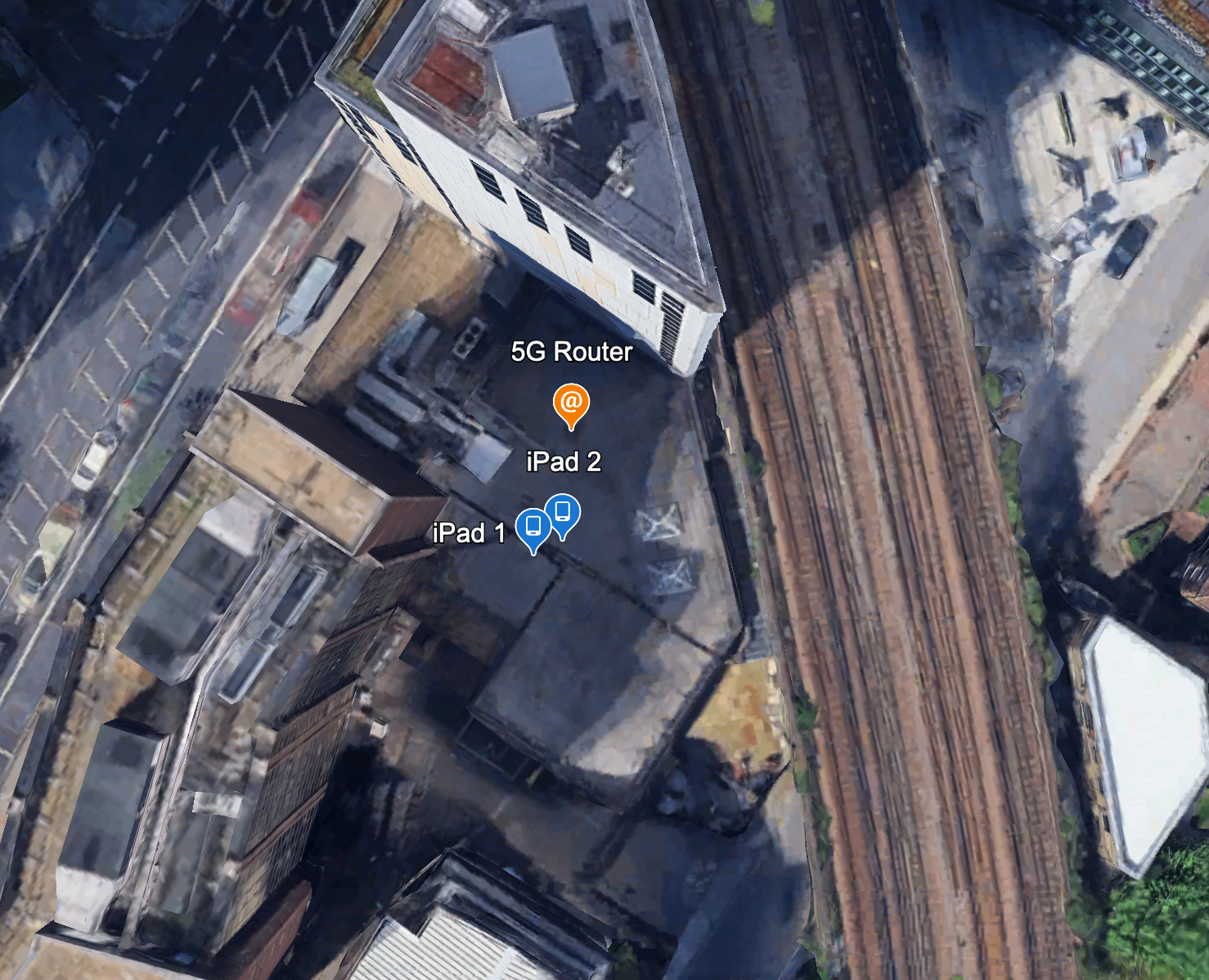
This is where we start to unpick the geography of all this technology. For window, here in Koppel projects, the ipads are connected to a 5G router underneath Xach’s piece.
The ipad initiating the call will send an invitation packet which will be addressed to the Apple Push Notification Service Gateway.
4G / 5G Signal
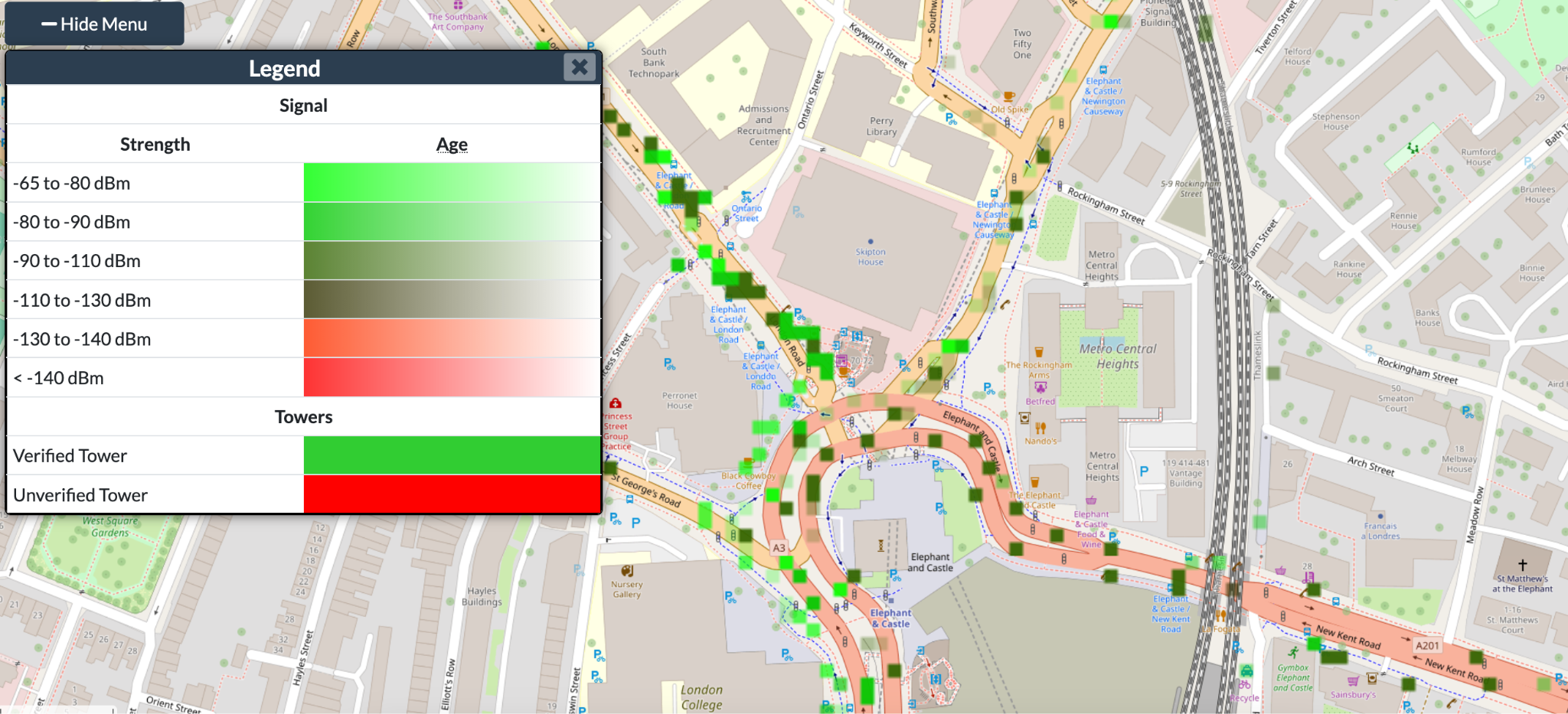
We can see the signal strengths for mobile data on services like cellmapper.net.
To take this out of the functional terms of whether my Youtube video will buffer on the bus, we can think of this as how dim the light is in this area, how shrouded and destructively interfered it is by buildings and other signals around.
This is a substrate through which we are passing every day.
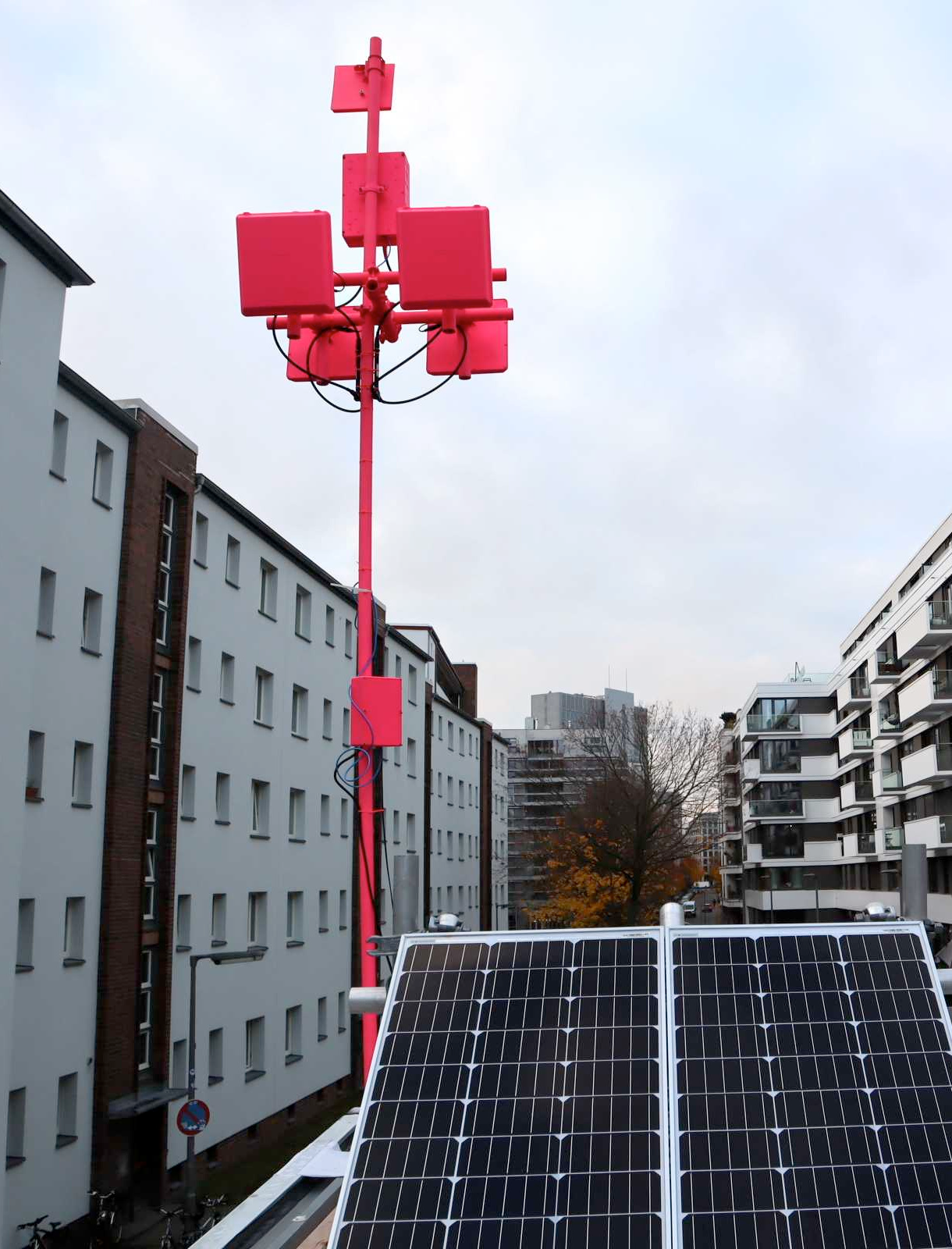
Pink Cell Tower, 2021
https://julianoliver.com/projects/pink-cell-tower/
The artist Julian Oliver has made a number of works around the political architecture of cellular infrastructure.
This Pink Cell Tower aims to be visible, to stand out and announce itself in critique of the idea that we would be horrified if a corporation declared monopoly ownership of a whole colour.
Though, looking at International Klein Blue, and Anish Kapoor’s monopoly of Vanta Black, this is something artists often flirt with.
But radiowaves, which are the frequency band of light that acts as the substrate for our communications is a finite resource, and is tightly controlled as to what parts are still publically available to use without a license.
Cell Towers
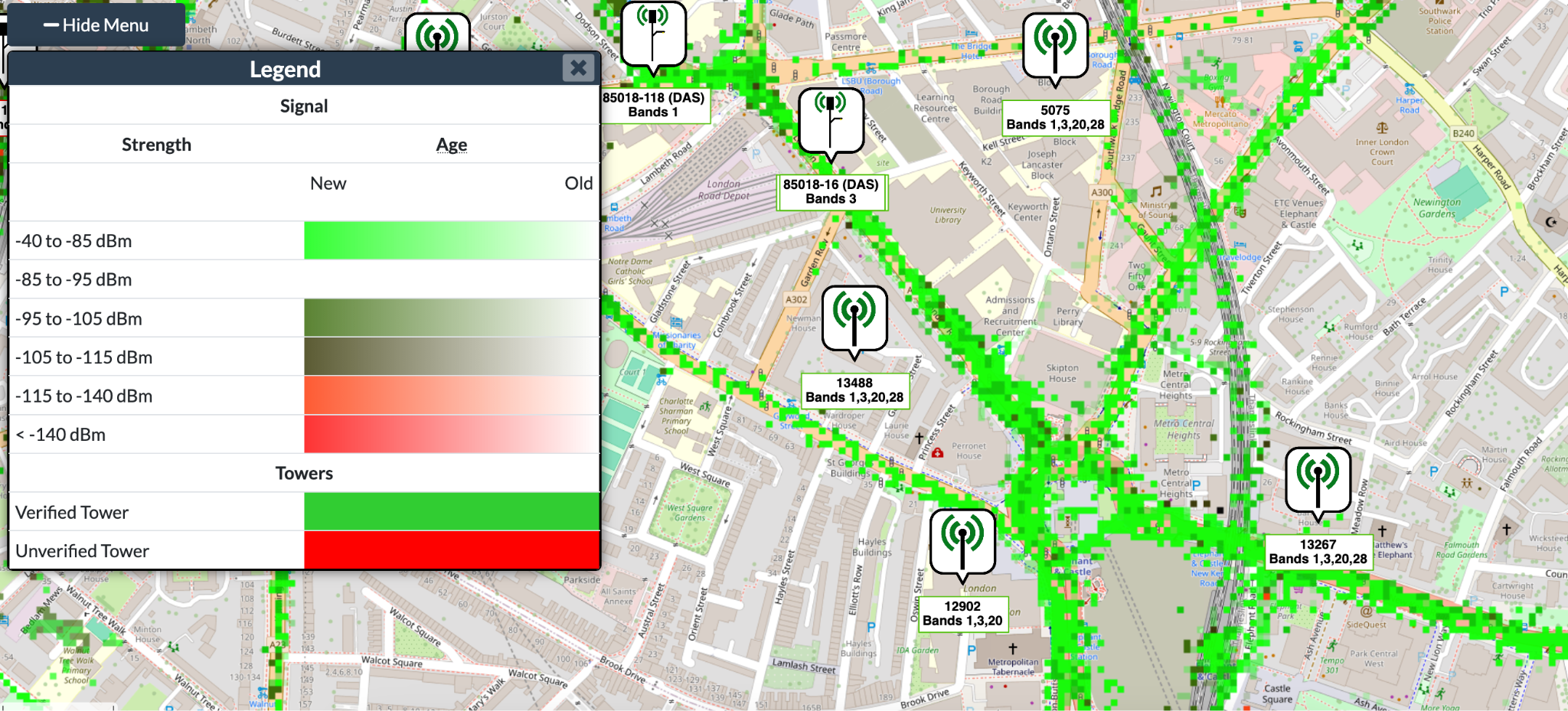
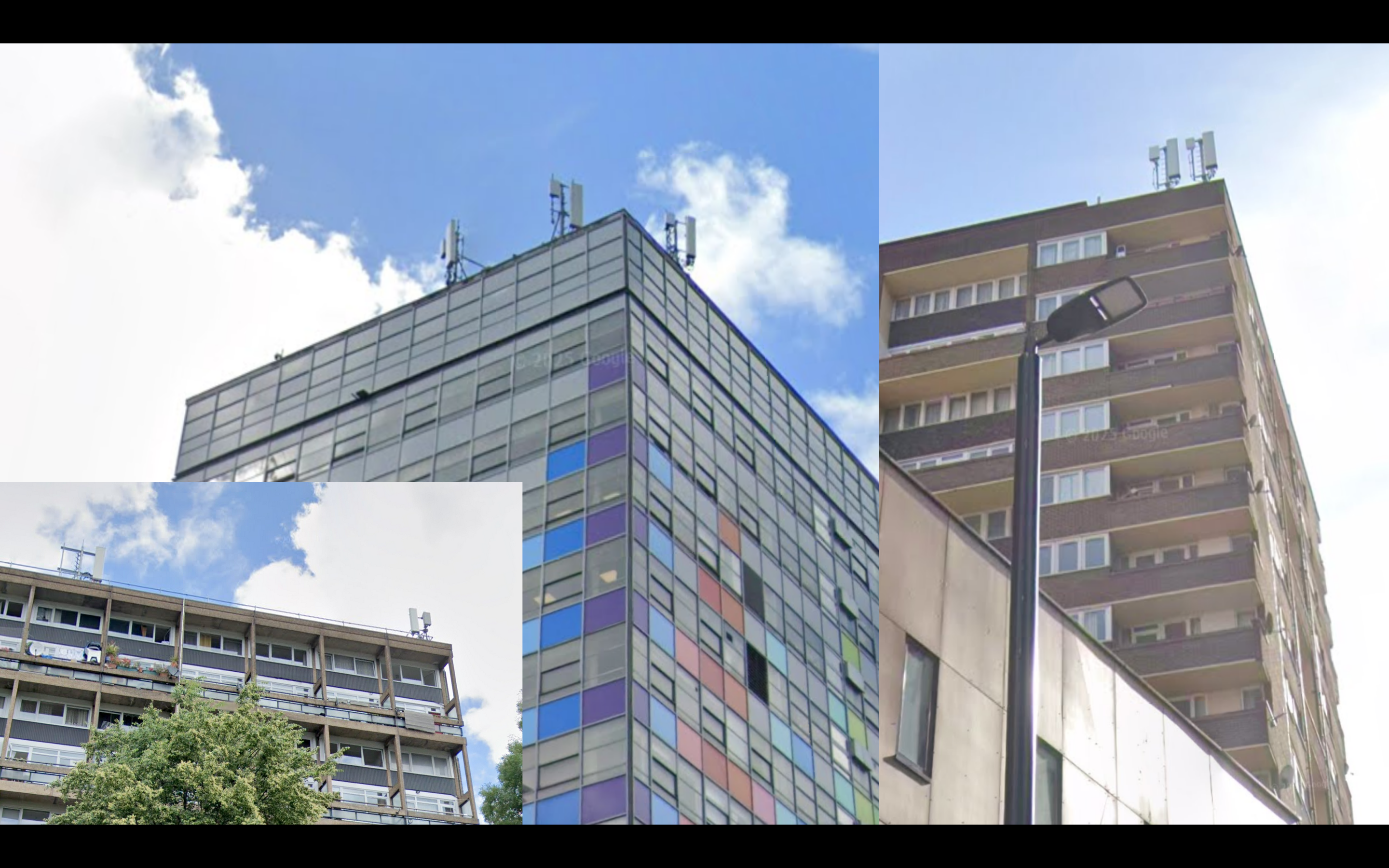
Our signal is being transmitted to one of these local cell towers. Around elephant and castle these are sitting on top of buildings.
The installations will likely be shared by the ISPs who will likely have their own antenna and fibre optic cables to them.
IMSI-Catchers / StingRays
Cell towers can be spoofed and intercepted. Generally phones will look to connect to the tower providing the strongest signal which can be exploited by IMSI-catcher’s such as the StingRay device.
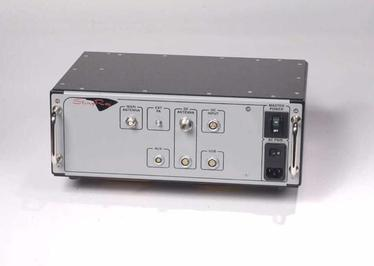
Your phone’s IMSI is its unique identifier on a mobile network and is a valuable piece of information. Your phone will usually present a TMSI for temporary identification in circumstances where this is needed.
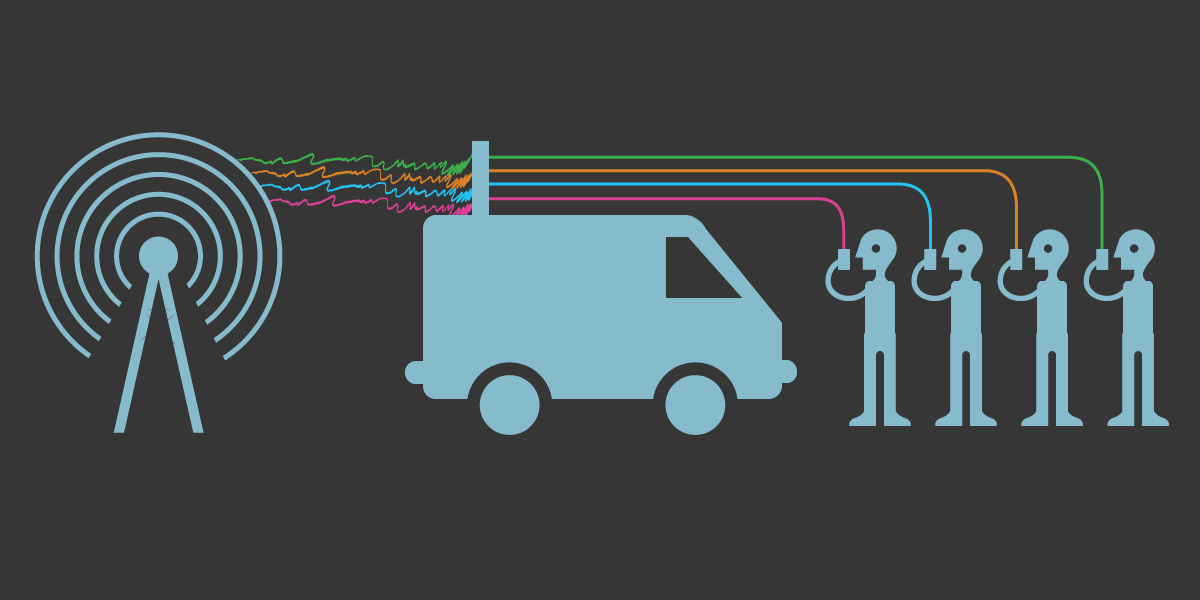
This interception can be used to copy metadata, spatially locate the device, or deny service among other things. It is widely believed that police forces use these, especially around protests, though in response to a freedom of information request, the Met Police cannot confirm or deny these claims.
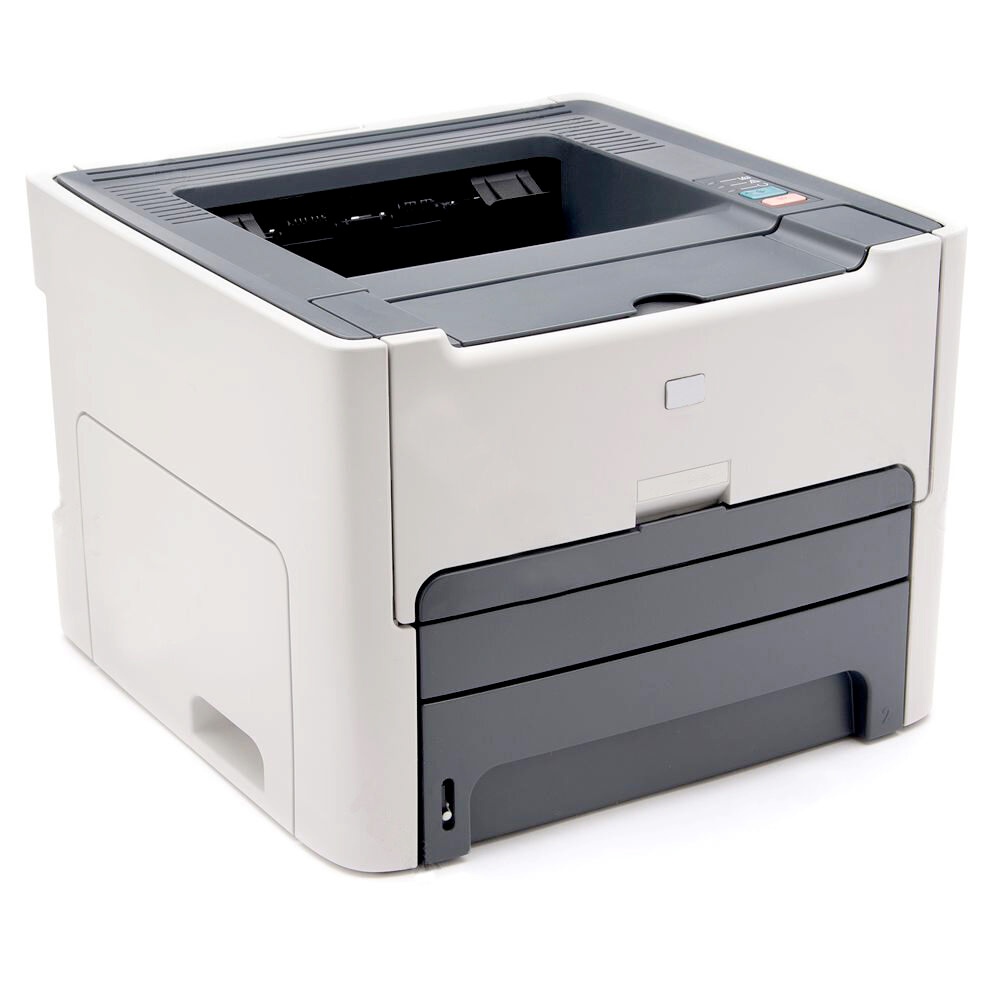
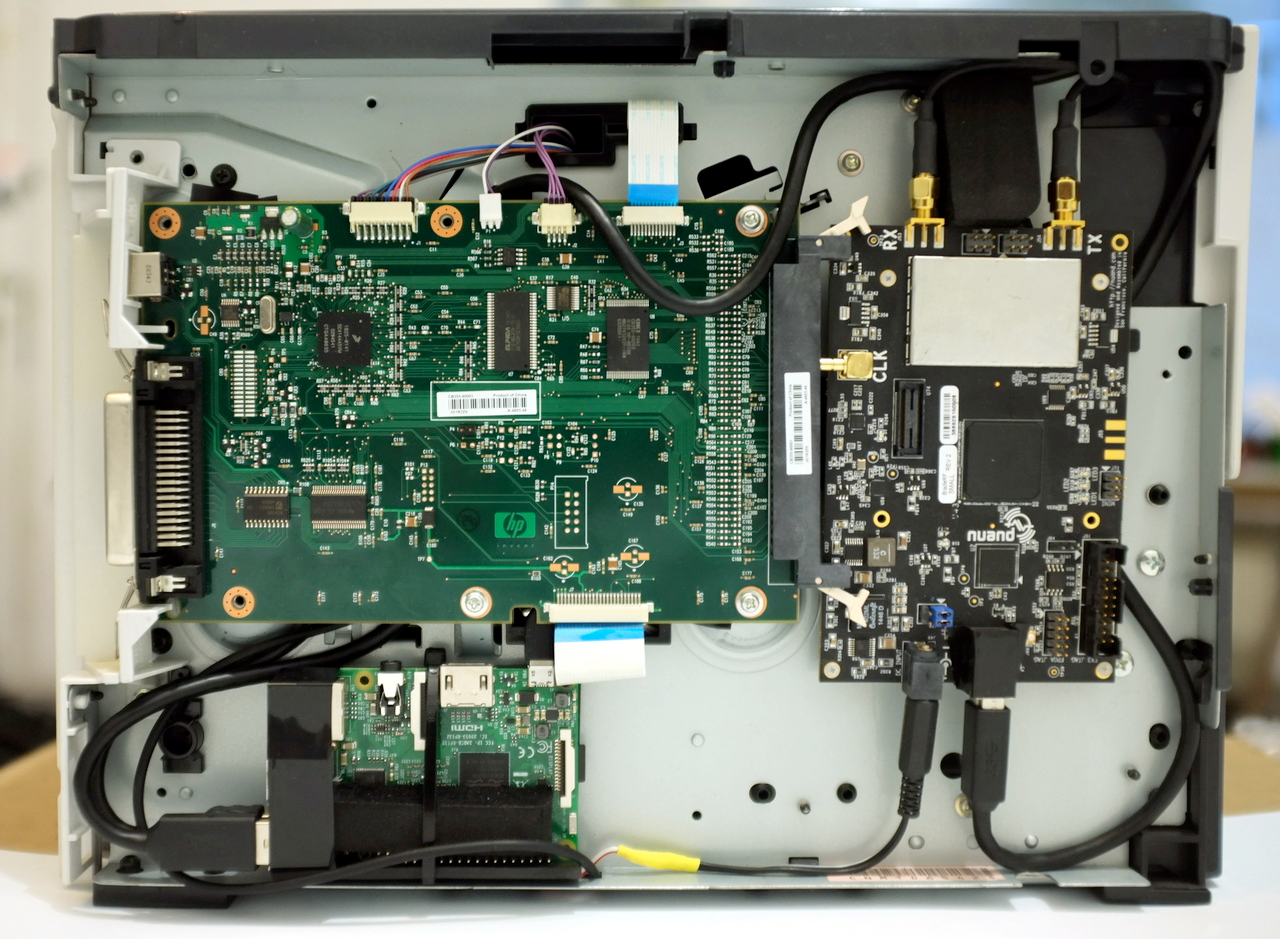
Julian Oliver – Stealth Cell Tower, 2015 (https://julianoliver.com/projects/stealth-cell-tower/)
Another work by Julian Oliver utilises this technology, masquerading as a functioning printer, to conduct a text exchange with you before directing you to the printer where it has revealed the conversation and various identifying bits of information about your device.
It will also occasionally call you to play the Stevie Wonder hit “I just called to say I love you”
Local Exchange
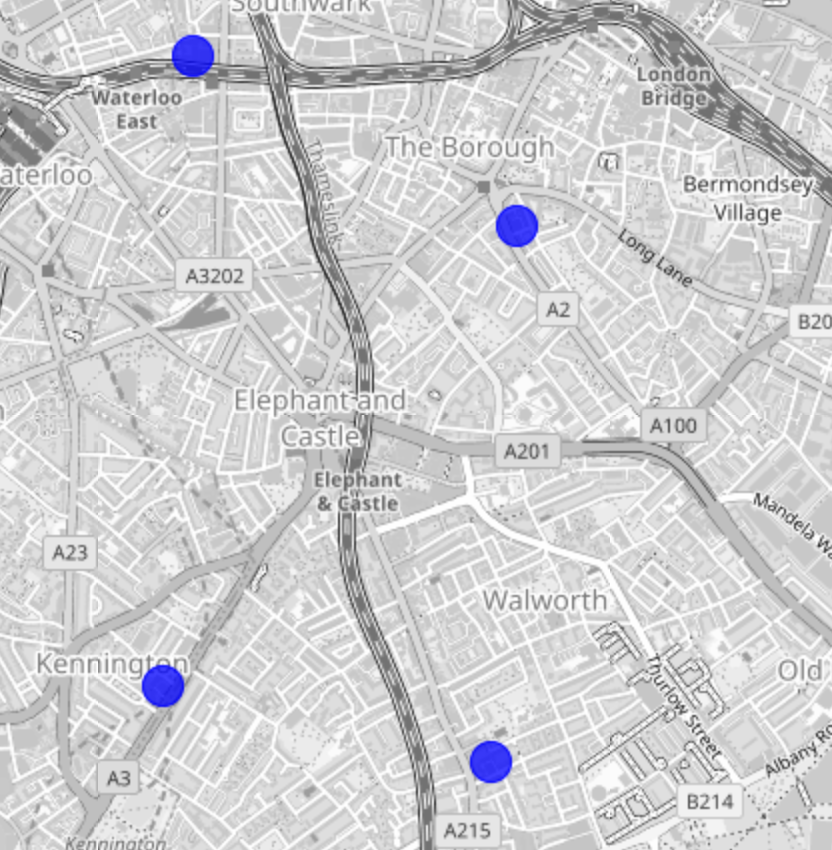
Our packet of data after reaching the cell tower will be then be relayed via optical fibre to a nearby local telephone exchange. Here are the locations for Southbank, Southwark, Vauxhall, and Walworth Telephone exchanges.
The largest costs when laying fibre lines is in the labour and digging of the trenches as opposed to the cost of fibre itself. This means between major intersections such as exchanges there is a wealth of “Dark Fibre”, unused cables ready for expansion of the networks.
ISP Core Network (Three)
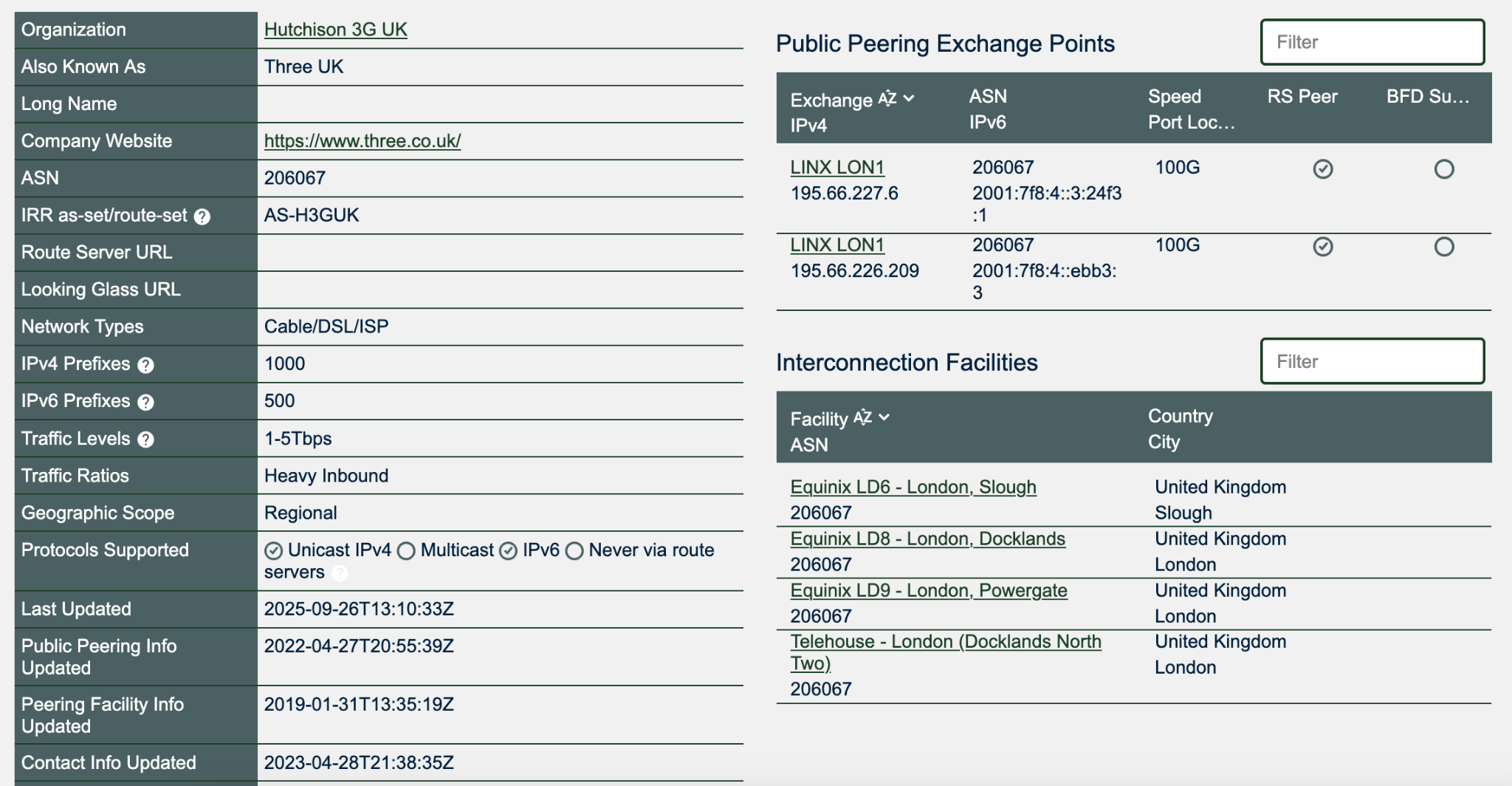
Our data is now in the ISP Three’s core network. We can see on PeeringDB the identity of the Peering Exchange points they are registered to, and the facilities in which they house their interconnections. This is where we are starting to branch out and connect with the wider internet.
Here we can see that Three has exchange points house in LINX LON1, utilising the server facilities at Equinix facilities in Docklands, Acton, and Slough, and a Telehouse Facility in Poplar.
London Internet Exchange, Linx
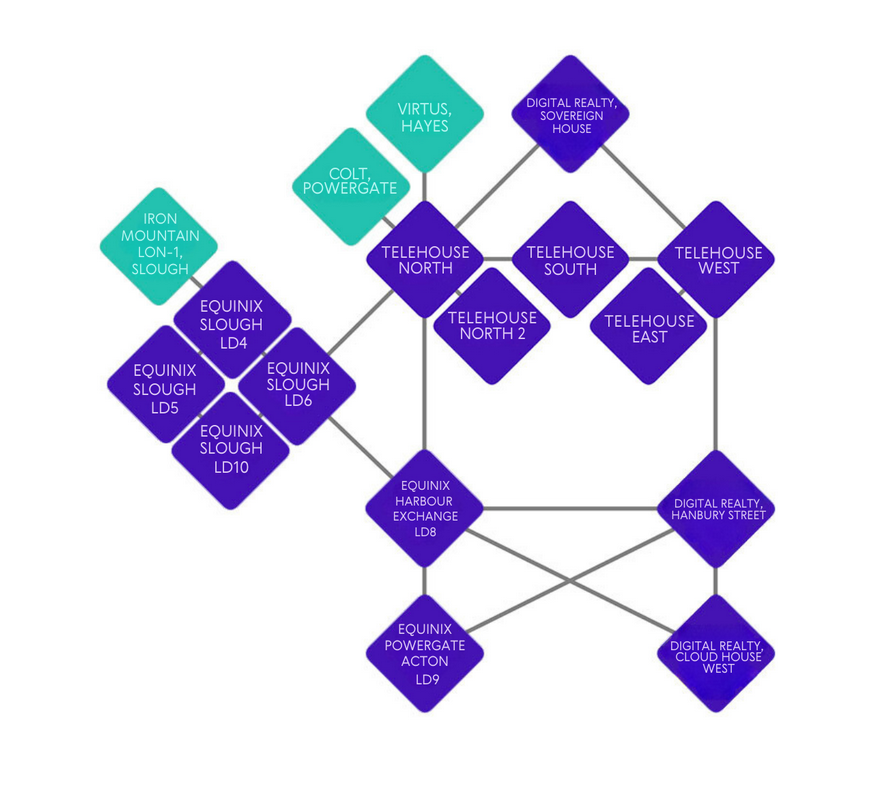
(https://www.linx.net/about/network/)
The most important aspect of our geography comes in here, LINX, the London Internet Exchange. This is the common ground where internet service providers exchange data for their respective networks. LINX is the UKs largest such network and operates data centres all over the world.
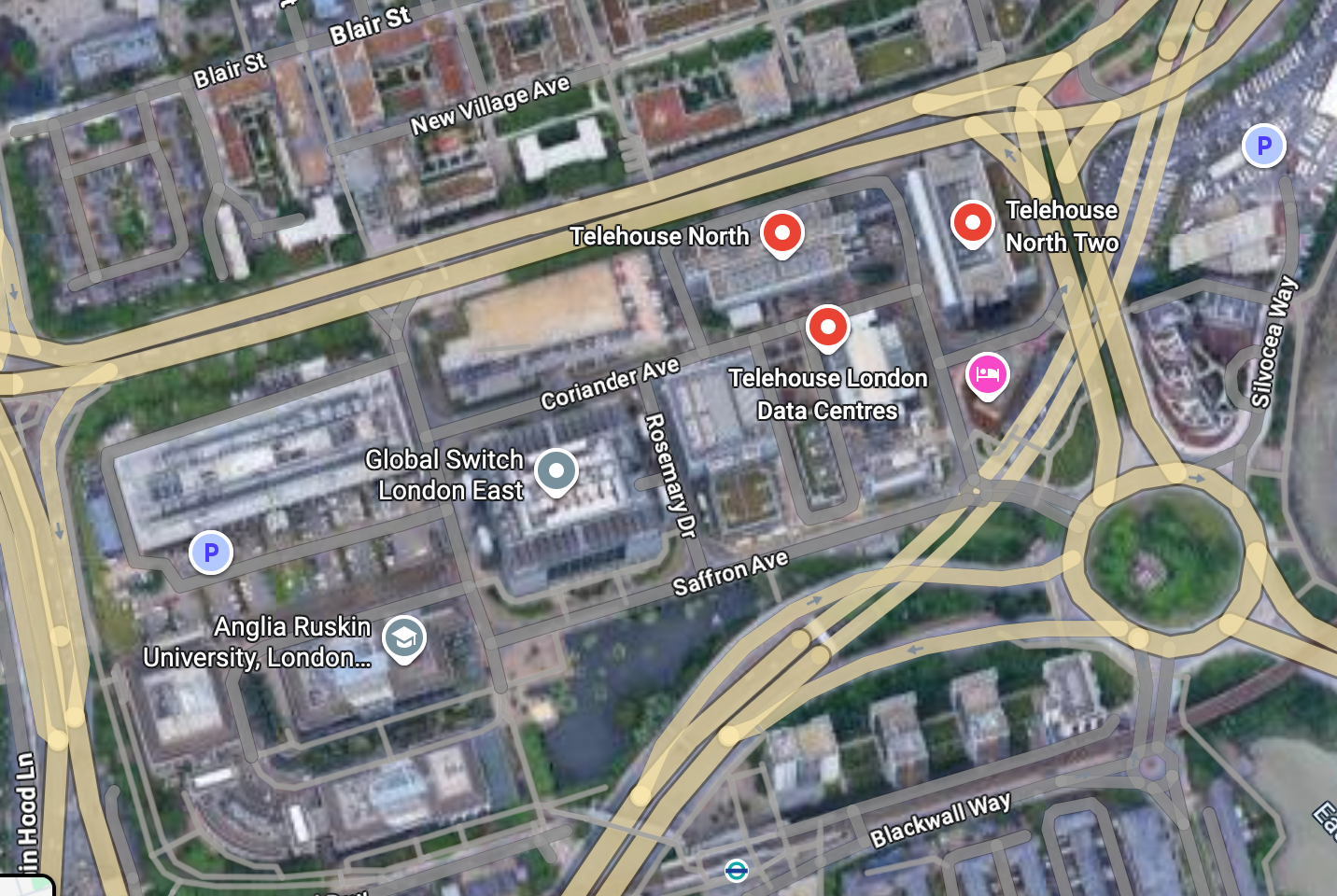
Three holds servers in multiple facilities in the LINX network. The first of which is in Telehouse North 2 in Poplar, East London. There are many Telehouse Data Centres located here, North, North 2, East, West, and South. And within this little campus is also Global Switch London East, another data centre.
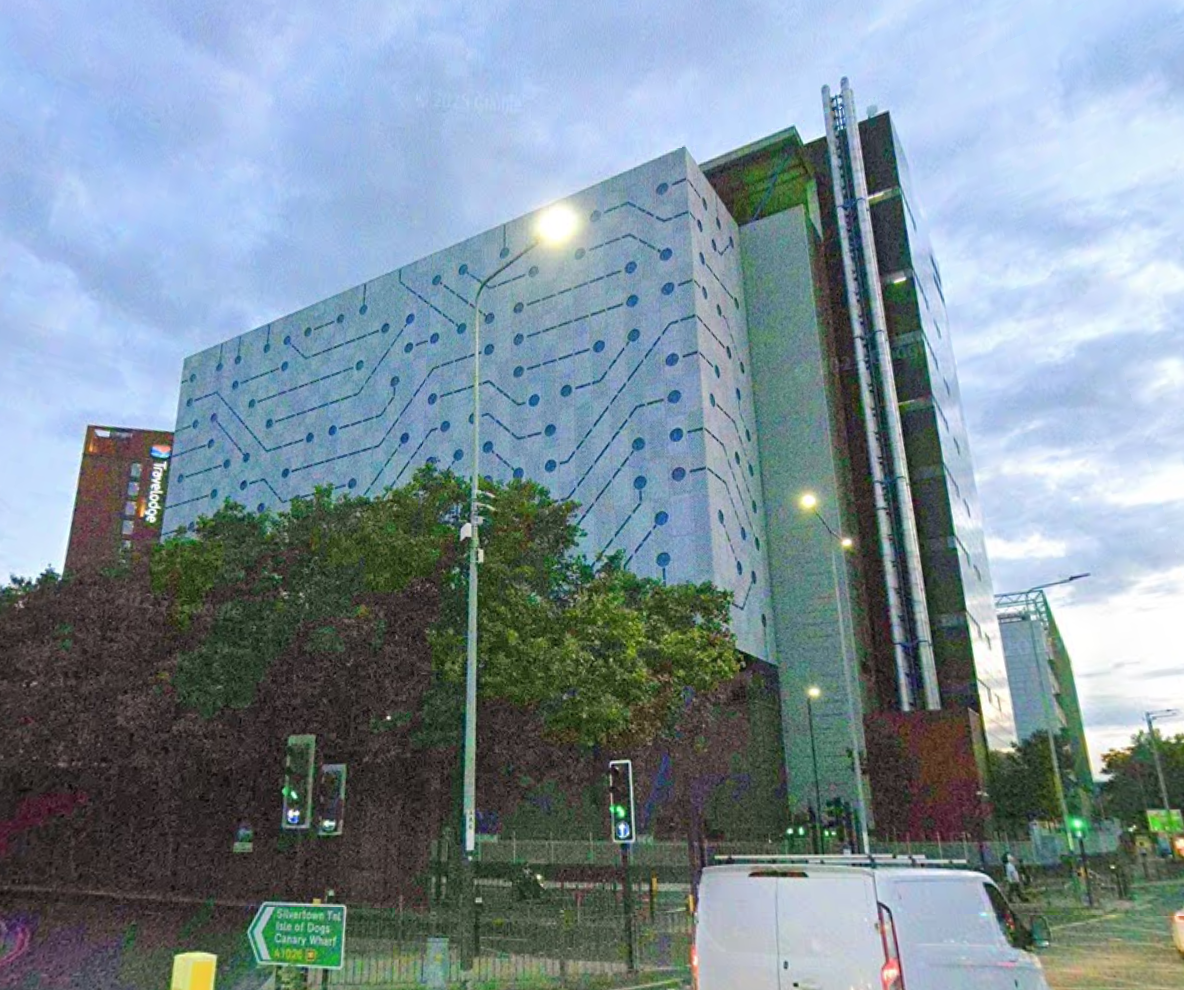
This is Telehouse North Two. At co-location points such as these, if the requested company houses a server in the same location, it is likely where the traffic will pass from the ISP to the requested service. Websites and services with high volumes of traffic will have such edge servers strategically located to reduce latency. However according to PeeringDB Applee does not seem to have interconnection facilities located here.
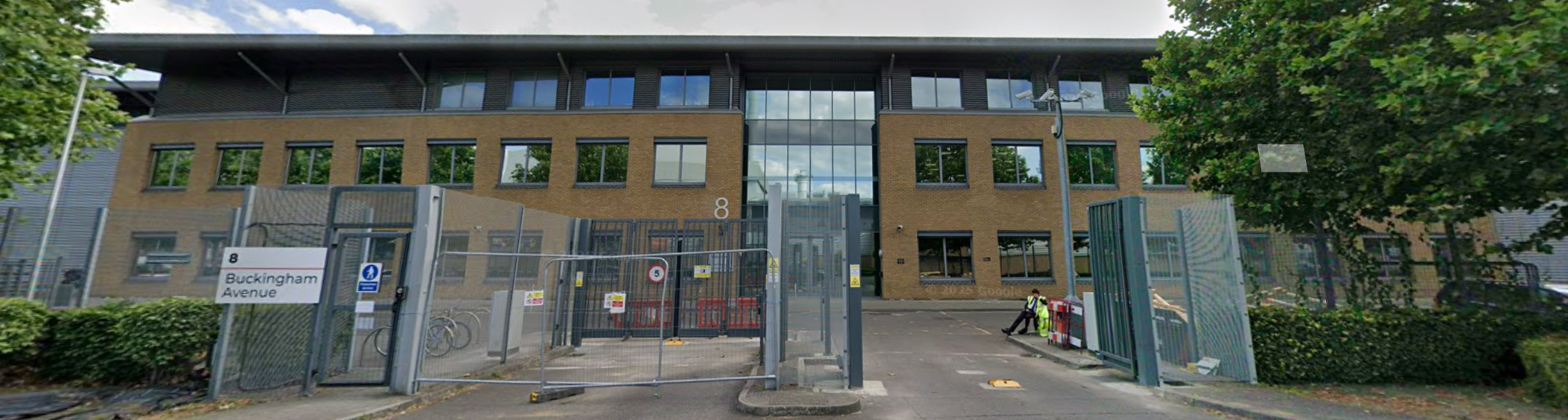
This. Is likely where our invitation to call finds the apple identity system. Equinix LD5 in Slough, where both Three and Apple hold server space.
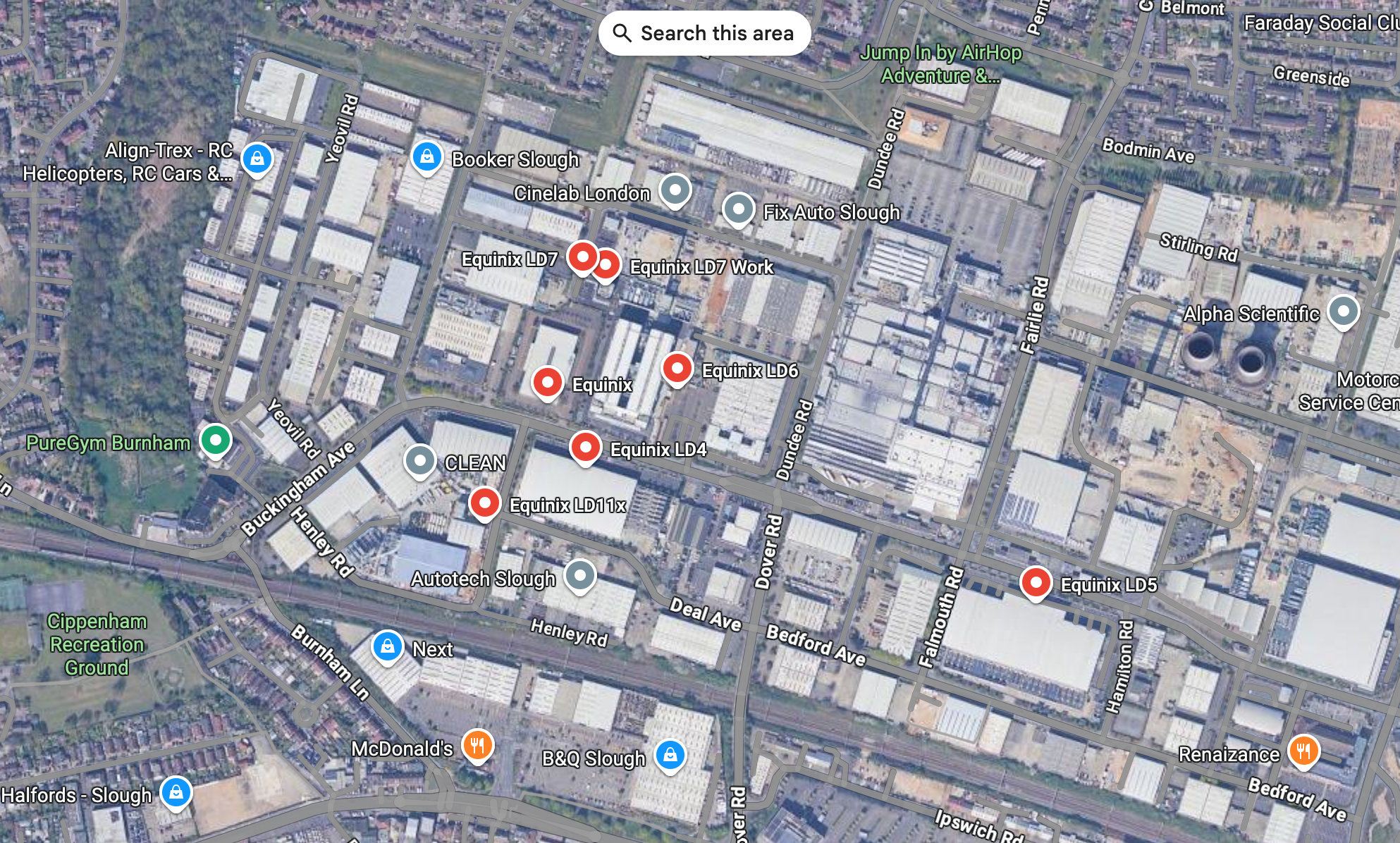
Equinix facilities litter the Slough trading estate. This is the largest area for public internet access in the country, where all major providers have edge servers, and where the vast majority of internet exchange occurs in the UK. This is Topologically the other edge of the internet for our purpose. The other Network Edge.
Global Connections
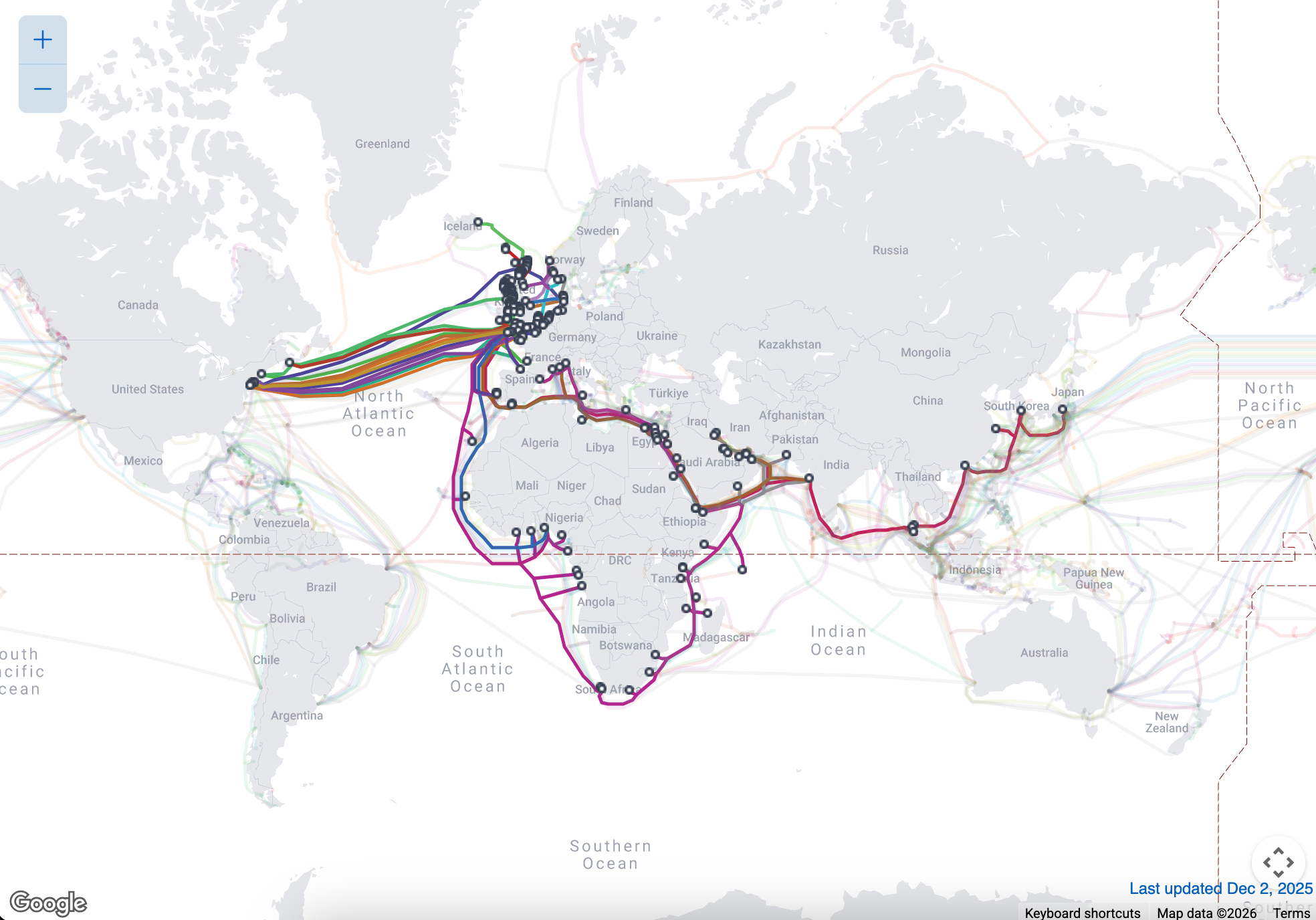
From here, either directly or via exchanges, fibre cables will run to landing sites in Cornwall, Somerset, Wales, Suffolk, Kent, Norfolk, Newcastle, and Blackpool connecting us with our friends around the world.
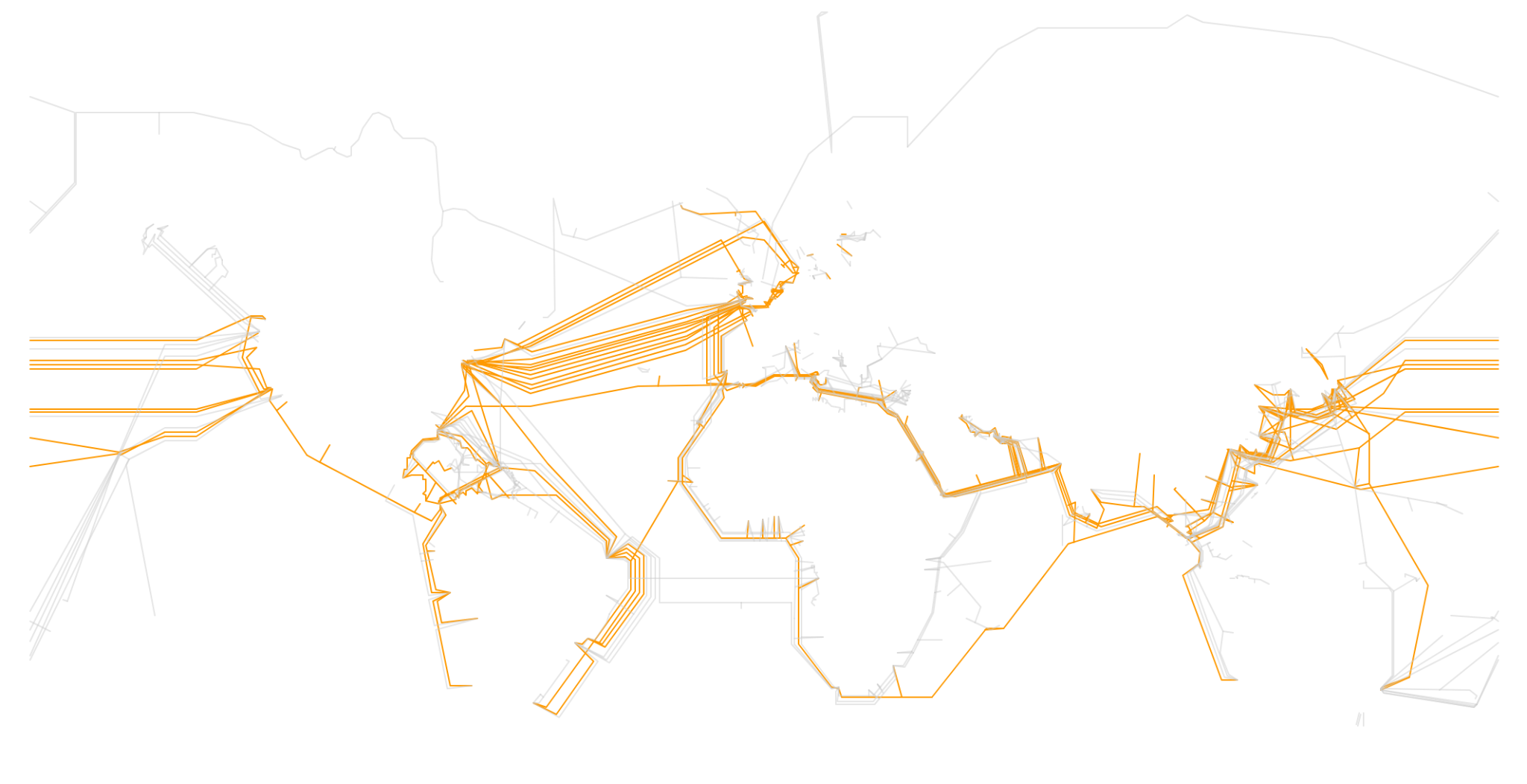
Submarinne Cable Taps, 2015
(http://lifewinning.com/submarine-cable-taps)
And the highlighted cables here are ones that are known to have been tapped by GCHQ
Recap
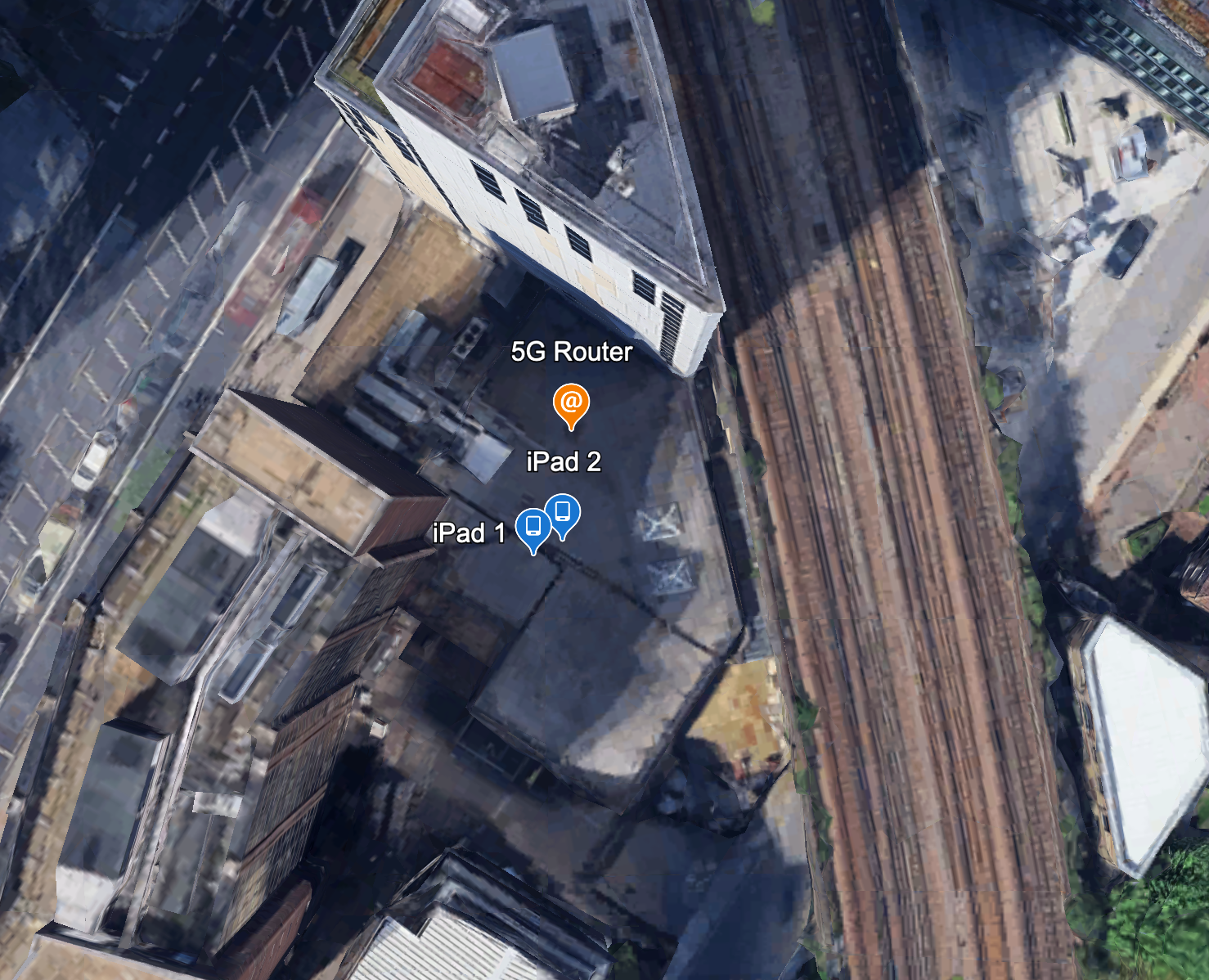
So to recap our journey. Our request for a call travels to our mobile broadband router.
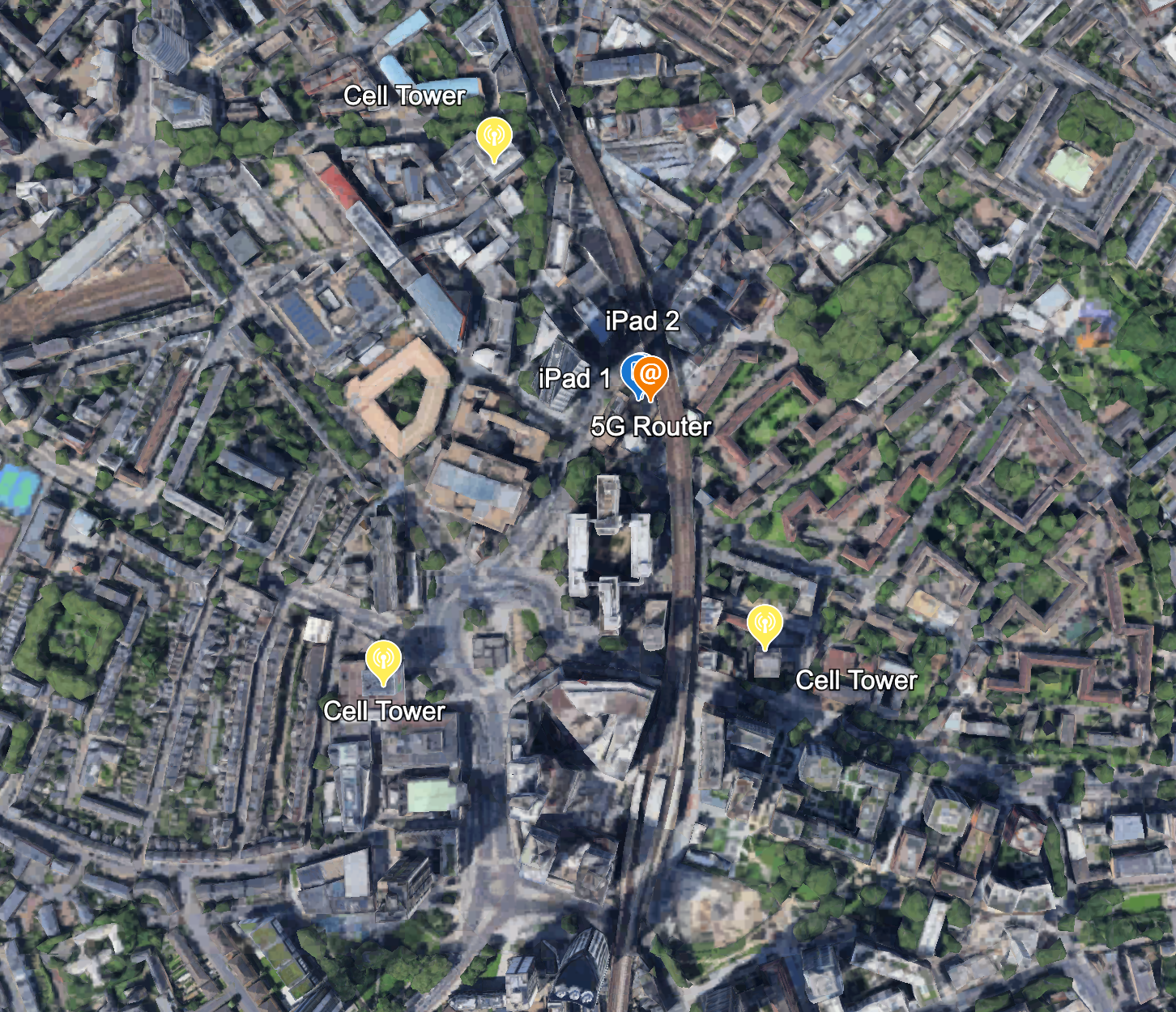
Which transmits it to the cell tower it has connected to.
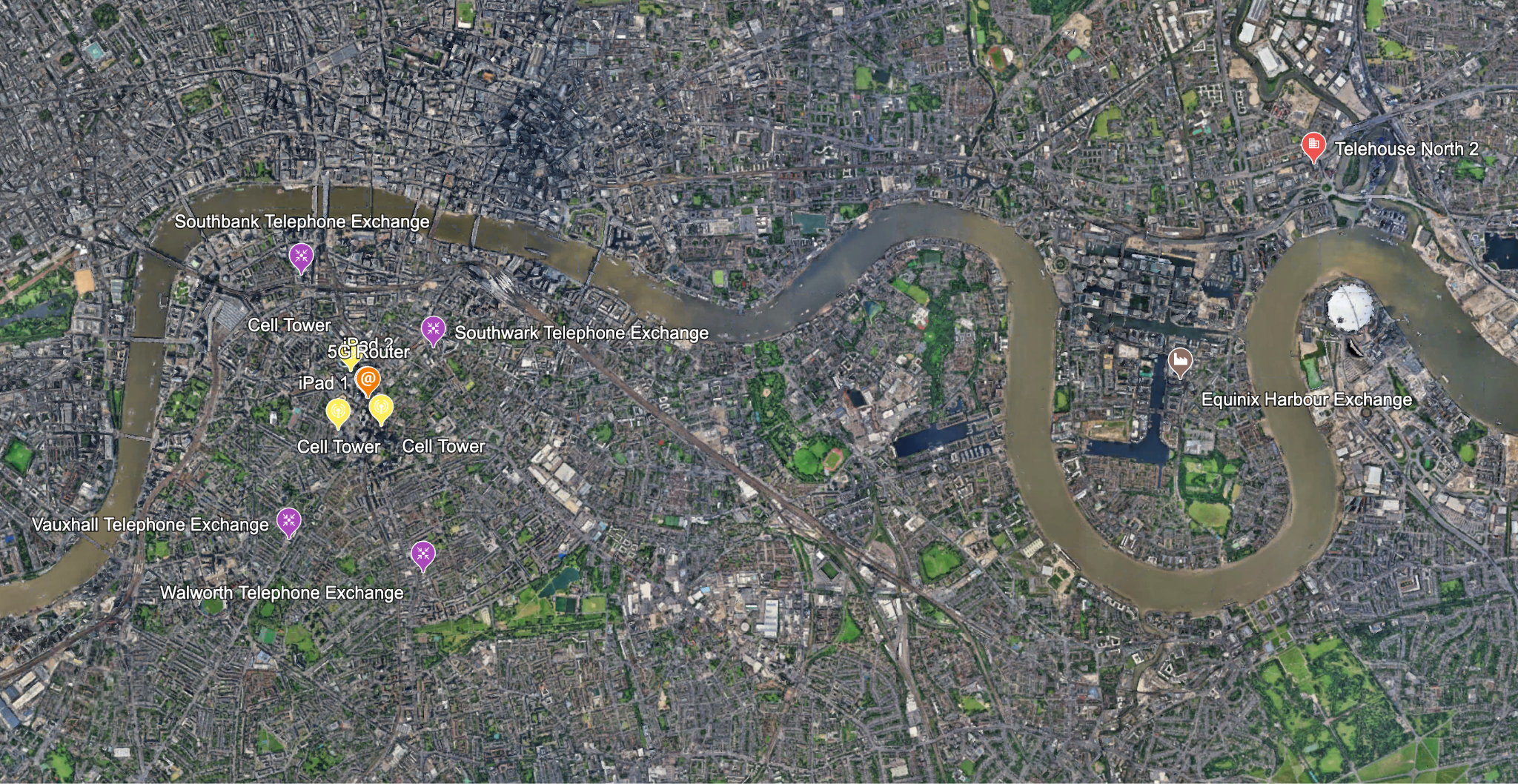
The signal is forwarded onto a local exchange, and then to Telehouse North 2 and perhaps on to Equinix Harbour Exchange.
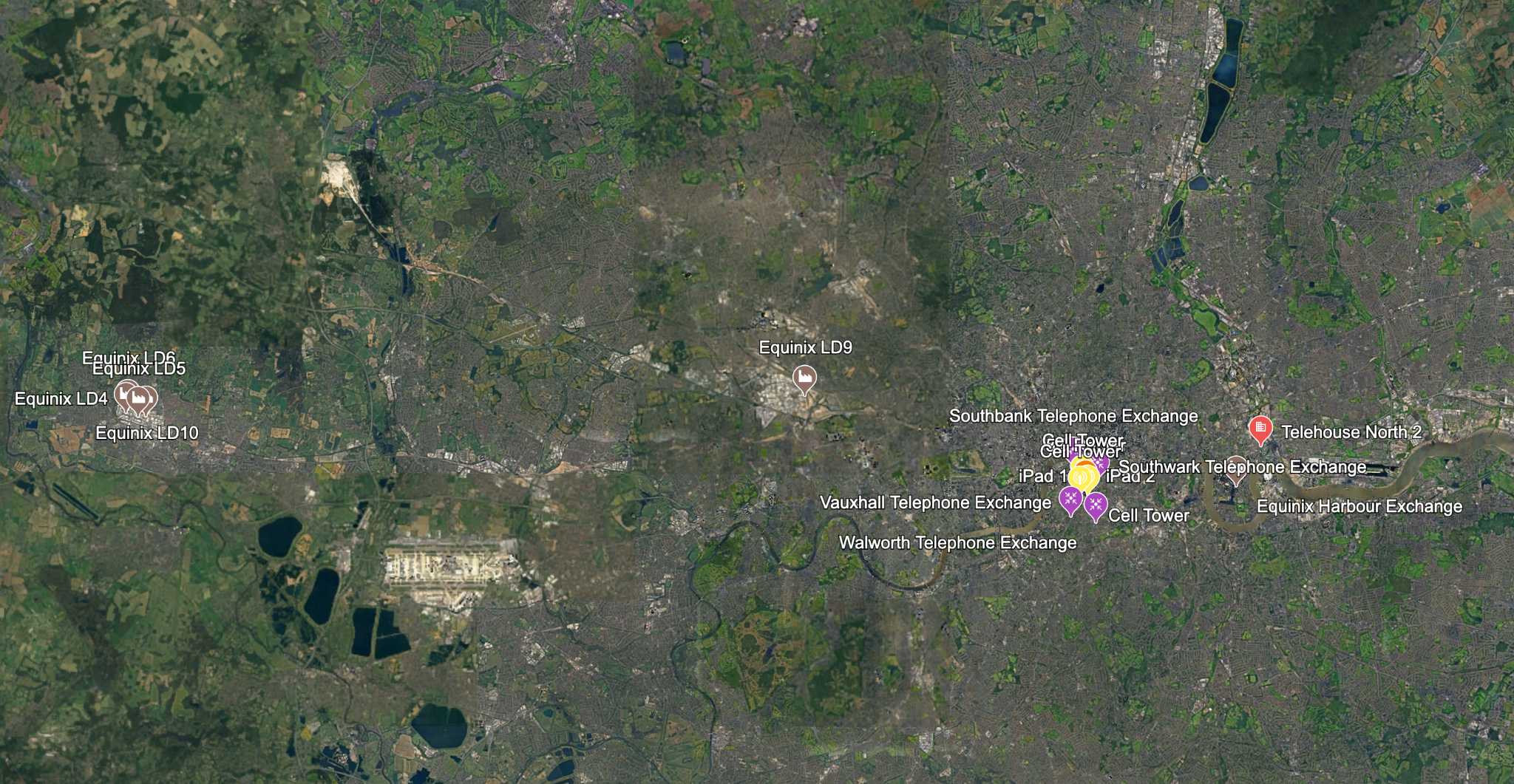
And Three has further servers in Equinix LD9 in North Acton, but otherwise the signal will eventually find its way to Equinix LD5 and pass the data on to its neighbouring Apple Edge Server. The server will send a push notification to the identified devices attached to the facetime email address, which would travel through the same network in reverse. None of these external parties, three, telehouse, equinix, or apple know the content of the messaging. Though there is a much to be said on the value of the metadata.
But this is the scale of a message that passes across a 30cm wall. The question that window poses, as a virtual hole between two interior spaces, is how far does that interior stretch?
 Robin Leverton
Leave a comment