I probably owed this blog the process of my final piece “In_Organsim: Octopus” when it was completed and my time as a student at Goldsmiths came to an end. Alas, I found myself swept up in the post-studying insecurity of looking for a job, a new home, and a momentous wave to carry me forward. And then all that came at once, and time to reflect was hard to come by, but now the dust is settling, and the graduation ceremony itself has passed, I can take a look back and present, in this post and those that might follow, the events and occupations of the last 8 months.
I’m looking back through my photos to help jog my memory from June onwards. It’s crazy how far away the time is, a night with friends who have since left London, beet-purple eggs, a bird I rescued. Sadly I only postponed its demise, I’ll gender him, as I called him Rodney, though I’m no bird sexing expert.
A noise was bugging me one night, and it sounded familiar in the way things do if they may have crept into your sleepy ears on previous days, a rustling. It was too much and I opened the back door that was my “window” in my room, and looking down, squashed into a little crevice between the fence and a brick was a pitiful little banana scared out of its wits. He would flap his wings but couldn’t stand up, so after summoning my own courage I trapped him in a box until the morning to save him from foxes. 5AM rolled around and I woke up too excited and curious about this bird and quickly made my way to where I’d left him outside, and looked for advice online what to do. It seemed to keep him in a shoe box with comforts and give him food and water was the best shout. He was scared, breathing fast and obviously not comfortable with me holding him, but so weak he couldn’t even make a sound or put up much resistance. With a soaked piece of toilet paper I could squeeze little droplets into his mouth and allow him a drink that must have been missing for days. After a couple of hours feeding him water, playing him happy budgie bird videos, and stroking the back of his head, my new friend felt safe enough to have a sleep in my hand. In the following days I kept feeding him water, and introducing a variety of foods, seeds, nuts, fruit, some of which he’d eat gladly, others he’d not, but it was clear that his strength was returning, he’d begin to flap in the shoebox where I kept him, and become a little more raucous when handled, but still not stand up. I followed advice online and made cycling motions with his feet, and I could feel the grip coming back to him, but again no balance, no strength. He’d lay there, on his side, in his box, flap about and make himself uncomfortable and covered in his own muck. I was determined to care for him though, and would clean him, and let him try to flap whilst holding him securely so he could have a bit of the sensation of flying without doing himself damage. Alas, after about 2 weeks, his strength was enough that he was very unhappy to be held, and would screach at the sight of me, he seemed to stop eating the tomatoes he’d loved, and kept trying to fly, though his legs still didn’t seem capable of holding him. It is with regret that I say I allowed him his wish, I took him outside, gave him a little boost and determined that if he could take to the wind, he could be free of me. Sadly, he made it over the garden fence, and then crashed into a bush. The poor banana was stuck, out of reach. He wriggled his way until the branches released him to the floor where he lay, immobile, and helpless. I had to leave him, for some cat or fox to find, and I never went back to look at the spot it was too sad for me. I wonder if I’d been more patient and disobeyed his anger if I’d have been able to get his legs working and allow him to be truly free. RIP Rodney.

On a happier turn, I was selected to show my work as part of the student popup exhibition at the Computer Art Society’s EVA conference. A conference that I had attended the previous year by helping out managing their zoom call.
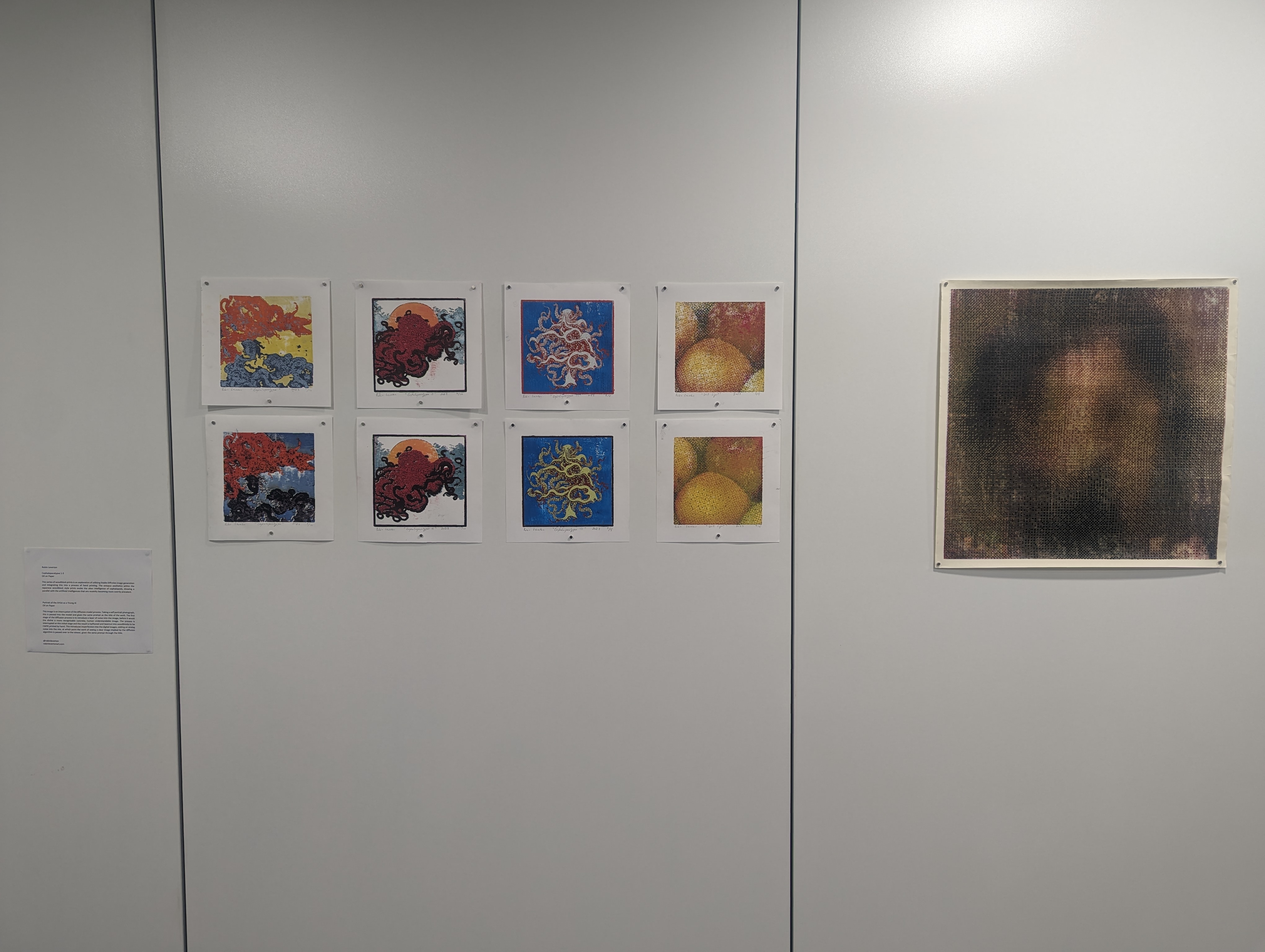
This was followed by helping a friend organise a show for her birthday party. Sadly I don’t have any photos as I’m sure I was too busy getting drunk.
But in terms of exhibitions, by far the most involving, and most involved I’ve ever been, was the final show. In first year, I headed up the space team, deciding where people should be within the church, a fabulous puzzle and a welcome one which was for the more part completed before the real stressful push towards the end. This year, I put myself forward to direct the entire show.
With over 100 students participating, I oversaw and managed a group of 8 team leaders covering Editorial, Design, Social Media, Space, Events, Website, Equipment, and organization (Me). It was a lot to take on, but I enjoyed the experience, and belive I did well, and that we put on a good event, though not as many people turned up as I’d have hoped. Possibly due to bad weather and little else on in the area at the time.
The show was an all-consumptive 3 months of my life, and then in 4 days, it was done. We had a further week to finish our documentation, and *poof*, it was all over. 2 years of MFA Computational Arts gone in a flash. So here is my final project:
In_Organism: Octopus
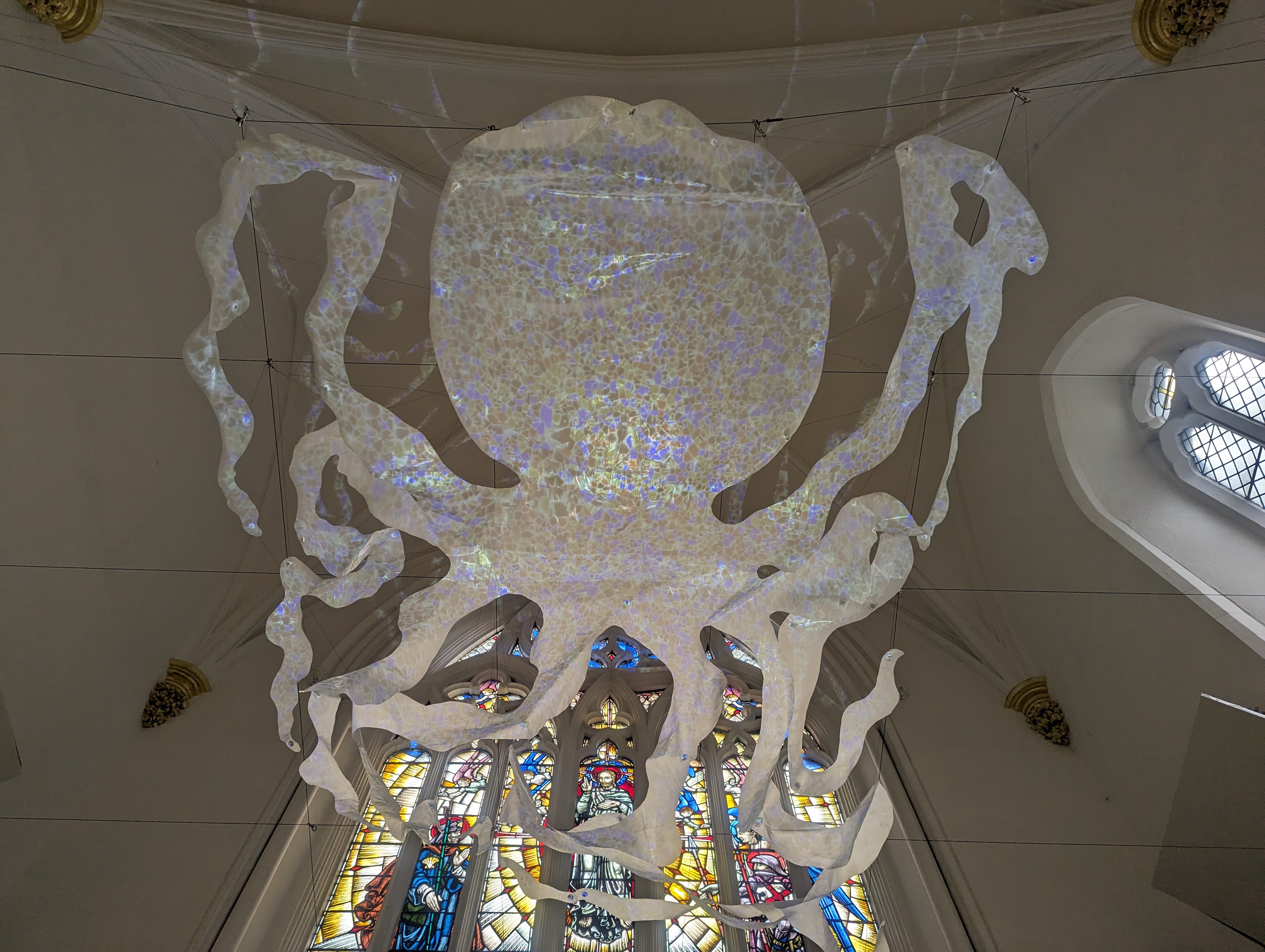
Introduction
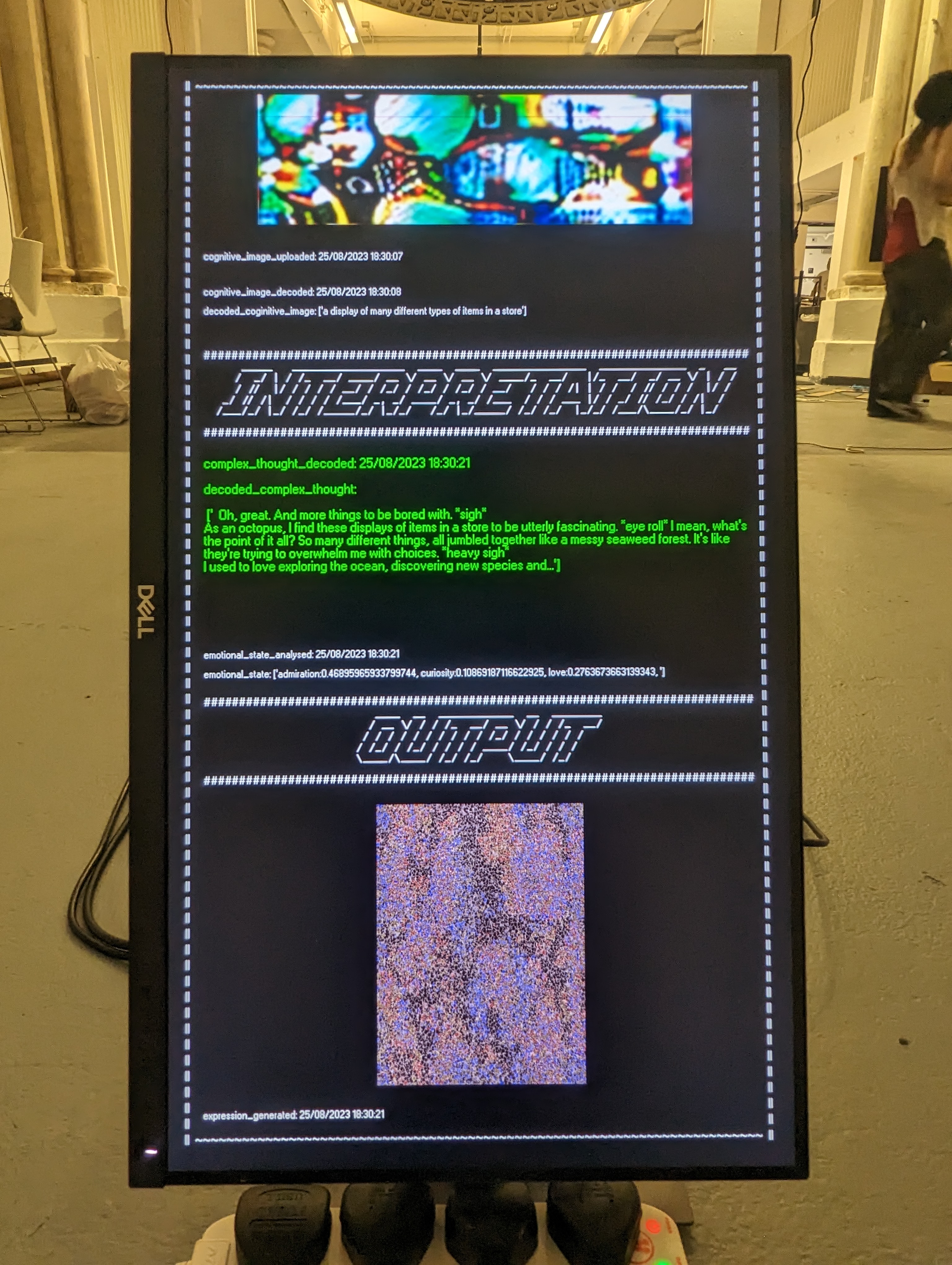
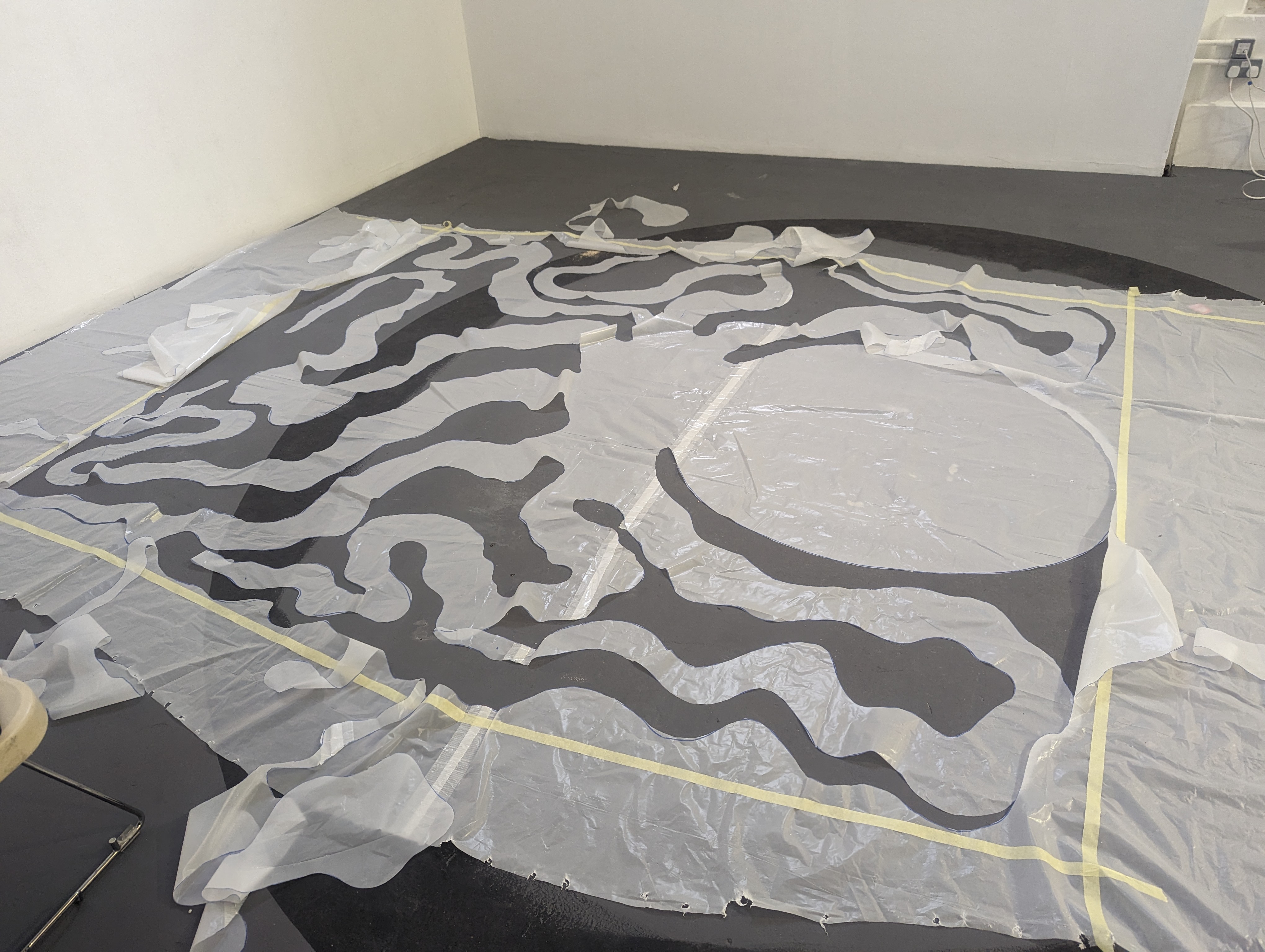
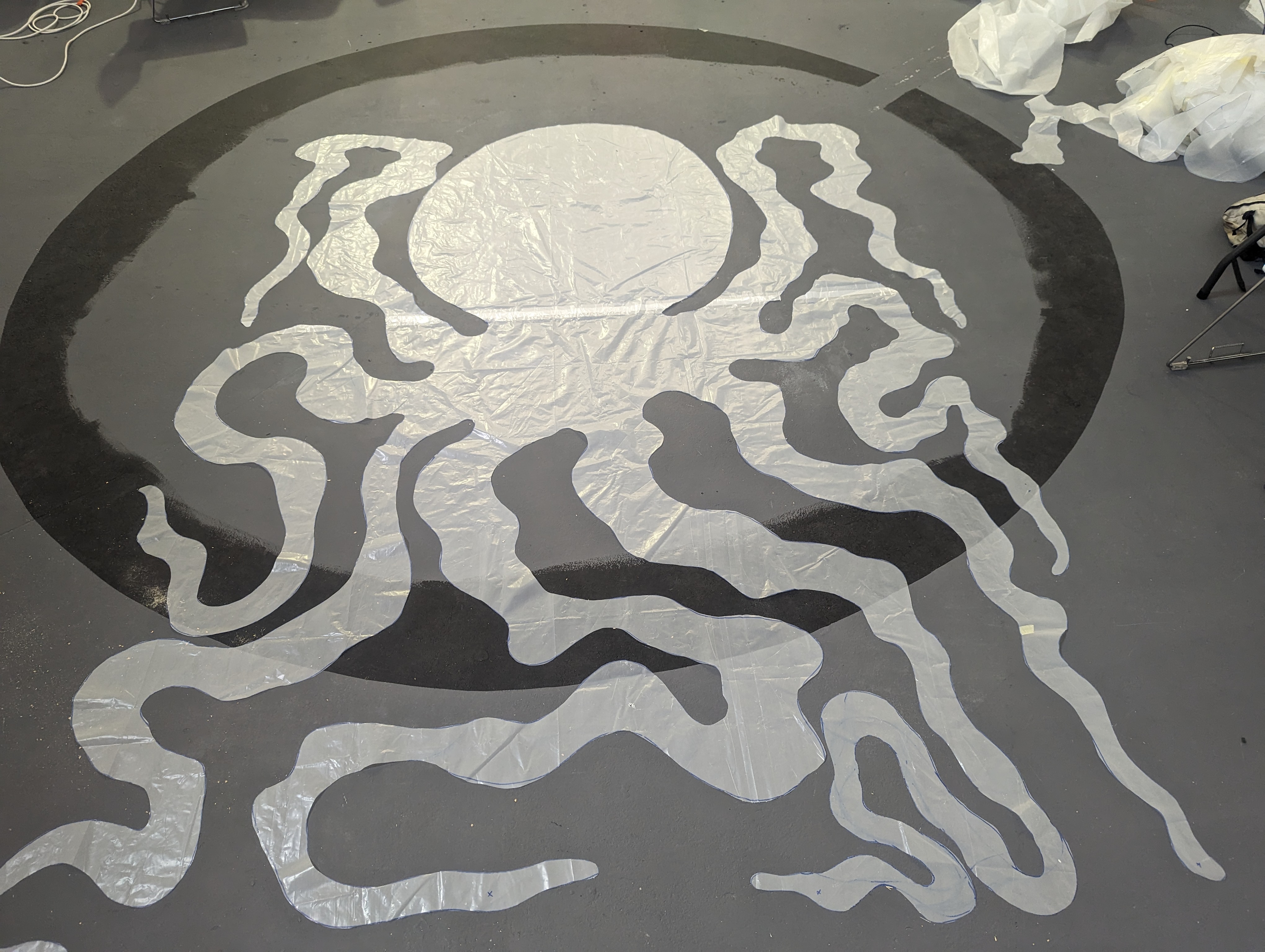
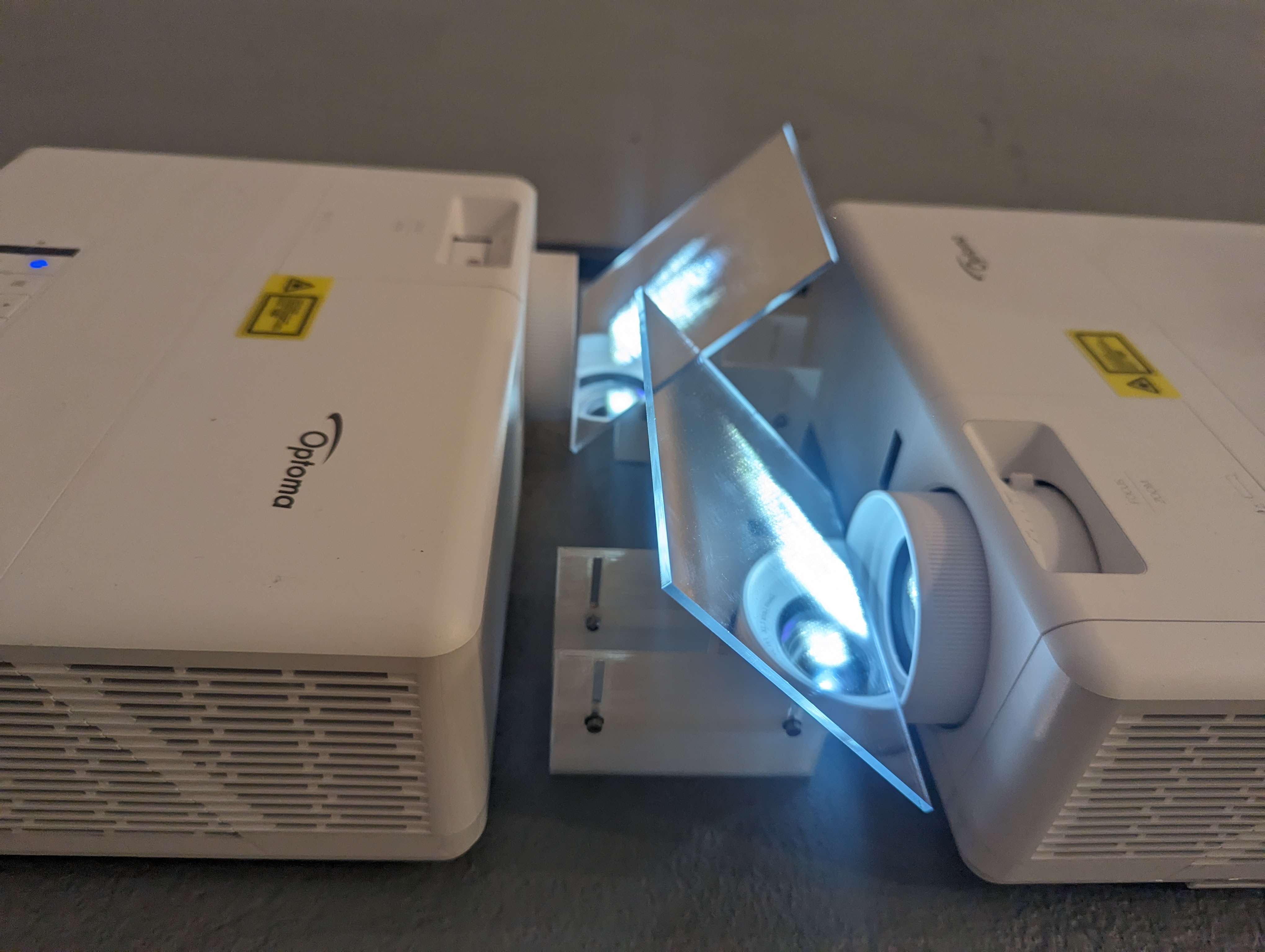
In_Organism: Octopus is a projected installation, which maps a model of cognition, tracking a thought process from initial sensory input, through to emotionally expressive propagation. Engaging with the idea of skin as an ecology, and site of exchange, Octopus invites us into itself, as we look to interpret its emotional state.
Background
Following on from my animation project In_Organisms, I wanted to continue exploring the way in which a body plan or structural makeup of an organism would inform its thinking. Whilst listening to Adiran Tchaikovsky’s Children of Time series I was captivated by the way the whole series depicts the struggles in communications that are borne out of the differences that we take for granted due to the ways our bodies enable us to interact with the world. The second book in the series, Children of Ruin discusses a race of octopuses, and was the major inspiration for this project. The Octopuses in Tchaikovsky’s work communicate through purely visual means, by way of the patterning and unpatterning on their skin. Their emotions are given visuality this way and as such are always visible, continuously morphing, and inherently wrapped up in any conscious information they might wish to convey. Further to this the octopuses, via their distributed nervous system, have 8 satellite brains their reach, which independently work on problems, and their sensory environment, and pull on the core. This delocalised, decentralised control, lack of singular purpose, and constant morphing was something I wished to carry forward into my project.
Similar themes are explored by the works of the group Orphan Drift with their works Becoming Octopus, If AI were Cephalopod, and KRAKEN. Asking questions such as “where does the model of intelligence come from in relation to the development of AI – and what are the implications of those choices?” Which gives me a view into questioning what our expectations of the creatures around us, and the AI systems we are creating are. We seem to be barrelling down a path of looking for sentience, without questioning the nature of that. Are we asking for a self- aware organism to arise out of our study (of the natural environment), or our industry(in the case of AI), or are we asking these systems, these organisms to present a simulation or reflection of human sentience? I think we are more interested in ourselves than the organisms we’re projecting onto.
Technical


The project started with developing a shader to mimic the way Octopus’ skin works to colour and camouflage them, through chromatophores. These are pigmented colour cells that grow or shrink depending on the need of the pigment. In this way I wanted to create a system that would display images but with a limited colour palette and the cells being given a fixed colour within that palette, and only growing or shrinking accordingly.
I wrote the shader in HLSL, developing within the Unity game engine, basing off a grid cell – Voronoi pattern. The mushroom was an early example image used, before adding the fade-out and dynamic growth.
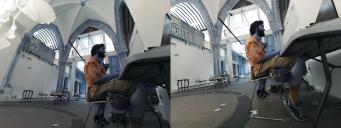
The next step was developing the AI pipeline, which was written in Python. I wanted to become familiar with the HuggingFace platform, and made extensive use of its libraries to make calls to the various models in my system. The system begins by taking camera input from two cameras using
OpenCV, before passing to Ultralytics’ Yolov8 object detection model, with the Ultralytics Python library. The output of this is passed to a string that adds ‘as seen by an octopus’, to make a prompt such as ‘a person and a phone as seen by an octopus’. This prompt and the original 2 images stitched together are sent to Stable Diffusion, which outputs an abstract ‘minds eye’ image.
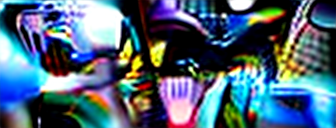
This is further passed to another image detection model, that aims to decode the embeddings. The result of this would be something along the lines of ‘a collage of photos of people wearing ties’, which I would pass to the Llama 2 large language model for the purpose of embellishing and adding emotion to the output. The system prompt used was:
“Please provide a straightforward response from the perspective of an octopus regarding the following: {message}. As a depressed octopus, how do you perceive these objects? What feelings come to your mind when encountering them? Be concise, be direct, be emotional, stay on point.”
It is important that the octopus would be ‘depressed’ for this project, as whilst it also provided more humorous responses, it would be sarcastic, which the next step of sentiment analysis wouldn’t often pick up, meaning the emotional outputs would show the entire range, from positive to negative, rather than a limited range of positive emotions that would occur for the not-depressed octopus.
The stable diffusion image would be fed to the shader, and the emotion detected would add a colour filter, the colours of which were decided by data collected from a survey about the detectable emotions that I had friends fill out.
After having built the pipeline, I found that I couldn’t run the whole thing on my GPU as it didn’t have enough memory. As such the project turned into a networking project as I had to develop protocols to communicate with a cloud GPU server running on Paperspace. I achieved this using the Python Sockets library and used this method to communicate between the Python side of the project and the Unity side.
The Unity side of the project was about building a UI that would receive information from the Python end and present that to the viewer in a clear manner. I wanted to evoke the idea of a computer terminal to make it clear that this is a constructed organism, one that is aware of its computational origins.
Constructing The Octopus




Reflection and Future Development
I had initially intended on a motor component, to manipulate the legs, bringing them toward and away from the viewer providing more emotional feedback, however movement and projection is difficult to do well together. It was also getting late in the day for the project and would have taken away time from making the UI. I would like to continue with the pipeline that’s been built and make a version with movement instead, perhaps also incorporating sound. This would require a more responsive system, the main bottleneck is in the Llama 2 stage, so a different language model, or the removal of it might be best.
I would also like to fine tune the way the models work. The stable diffusion could be made to produce more recognisable images, keeping the viewer more in the loop of what’s going on. Further to this the objects that it is capable of detecting could use a larger library to be able to get a better feedback from the viewer, especially when they hold things up to the cameras.
References
- 0rphan Drift Archive. (n.d.). Becoming Octopus Meditations. [online] Available at: https://www.orphandriftarchive.com/if-ai/becoming-octopus-meditations/ [Accessed 8 Sep. 2023].
- 0rphan Drift Archive. (n.d.). If AI were Cephalopod. [online] Available at: https://www.orphandriftarchive.com/if-ai/if-ai-were-cephalopod/.
- 0rphan Drift Archive. (n.d.). KRAKEN? Goldsmiths Visual Cultures Presentation. [online] Available at: https://www.orphandriftarchive.com/if-ai/kraken-goldsmiths-visual-cultures-presentation/ [Accessed 8 Sep. 2023].
- huggingface.co. (n.d.). nttdataspain/vit-gpt2-stablediffusion2-lora · Hugging Face. [online] Available at: https://huggingface.co/nttdataspain/vit-gpt2-stablediffusion2-lora [Accessed 8 Sep. 2023].
- huggingface.co. (2023). SamLowe/roberta-base-go_emotions · Hugging Face. [online] Available at: https://huggingface.co/SamLowe/roberta-base-go_emotions [Accessed 8 Sep. 2023].
- Jocher, G., Chaurasia, A., & Qiu, J. (2023). YOLO by Ultralytics (Version 8.0.0) [Computer software]. https://github.com/ultralytics/ultralytics
- Rombach, R., Blattmann, A., Lorenz, D., Esser, P., & Ommer, B. (2021). High-Resolution Image Synthesis with Latent Diffusion Models. Image recognition
- Quilez, I. (n.d.). Inigo Quilez. [online] iquilezles.org. Available at: https://iquilezles.org/articles/voronoilines/ [Accessed 8 Sep. 2023].
- sketchfab.com. (2022). テナガダコ🐙 Long Arm Octopus, Octopus minor – Download Free 3D model by ffish.asia / floraZia.com (@ffishAsia-and-floraZia). [online] Available at:
- https://sketchfab.com/3d-models/long-arm-octopus-octopus-minor-acf183a0a0214b58b86b6ad2eeb2eefb [Accessed 8 Sep. 2023].
- Tchaikovsky, A. (2019). Children of Ruin. Pan Macmillan.
- Touvron, H., Martin, L., Stone, K., Albert, P., Almahairi, A., Babaei, Y., Bashlykov, N., Batra, S., Bhargava, P., Bhosale, S., Bikel, D., Blecher, L., Ferrer, C.C., Chen, M., Cucurull, G., Esiobu, D., Fernandes, J., Fu, J., Fu, W. and Fuller, B. (2023). Llama 2: Open Foundation and Fine-Tuned Chat Models. [online] arXiv.org. doi:https://doi.org/10.48550/arXiv.2307.09288.

The Getaway
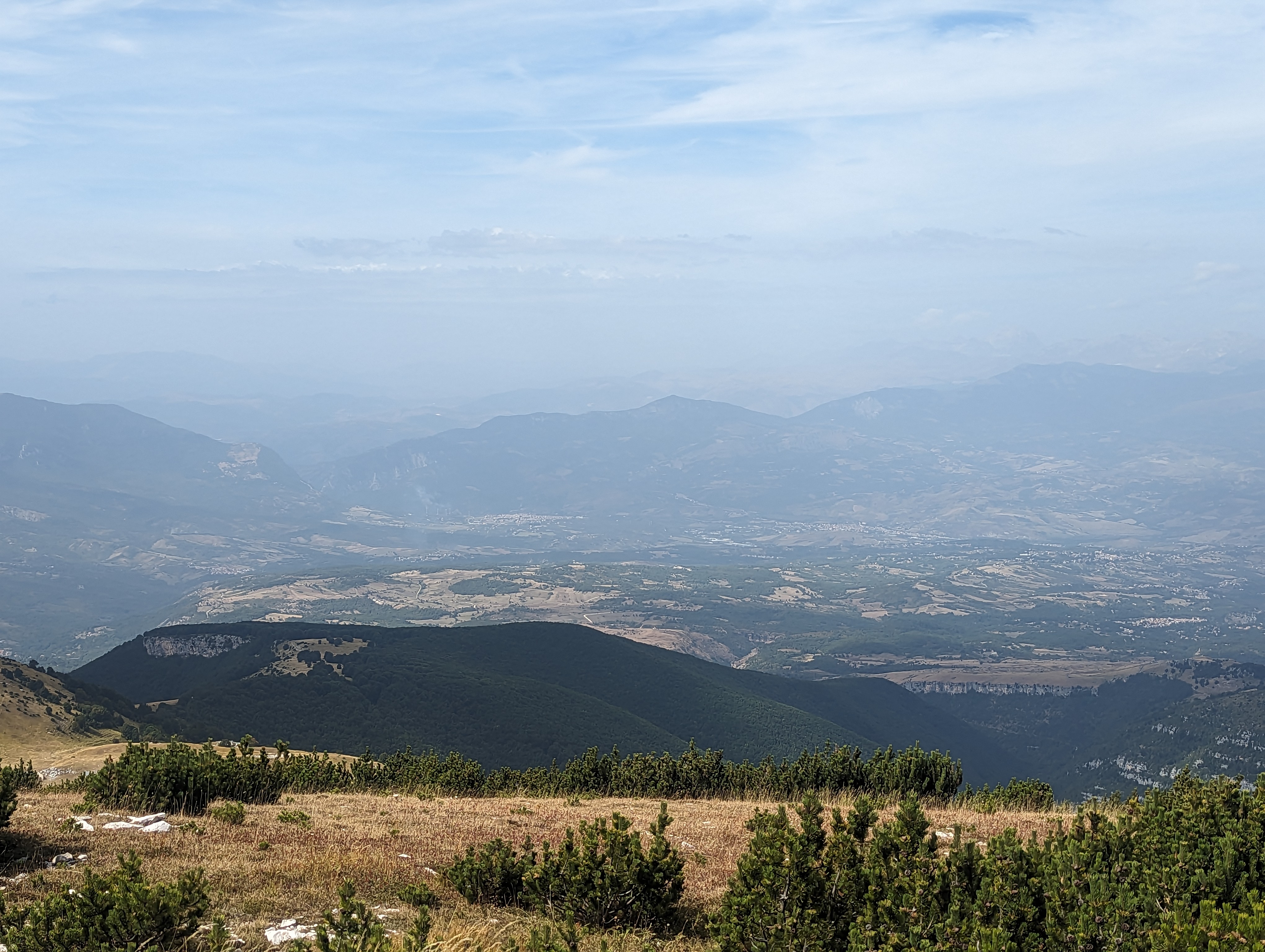
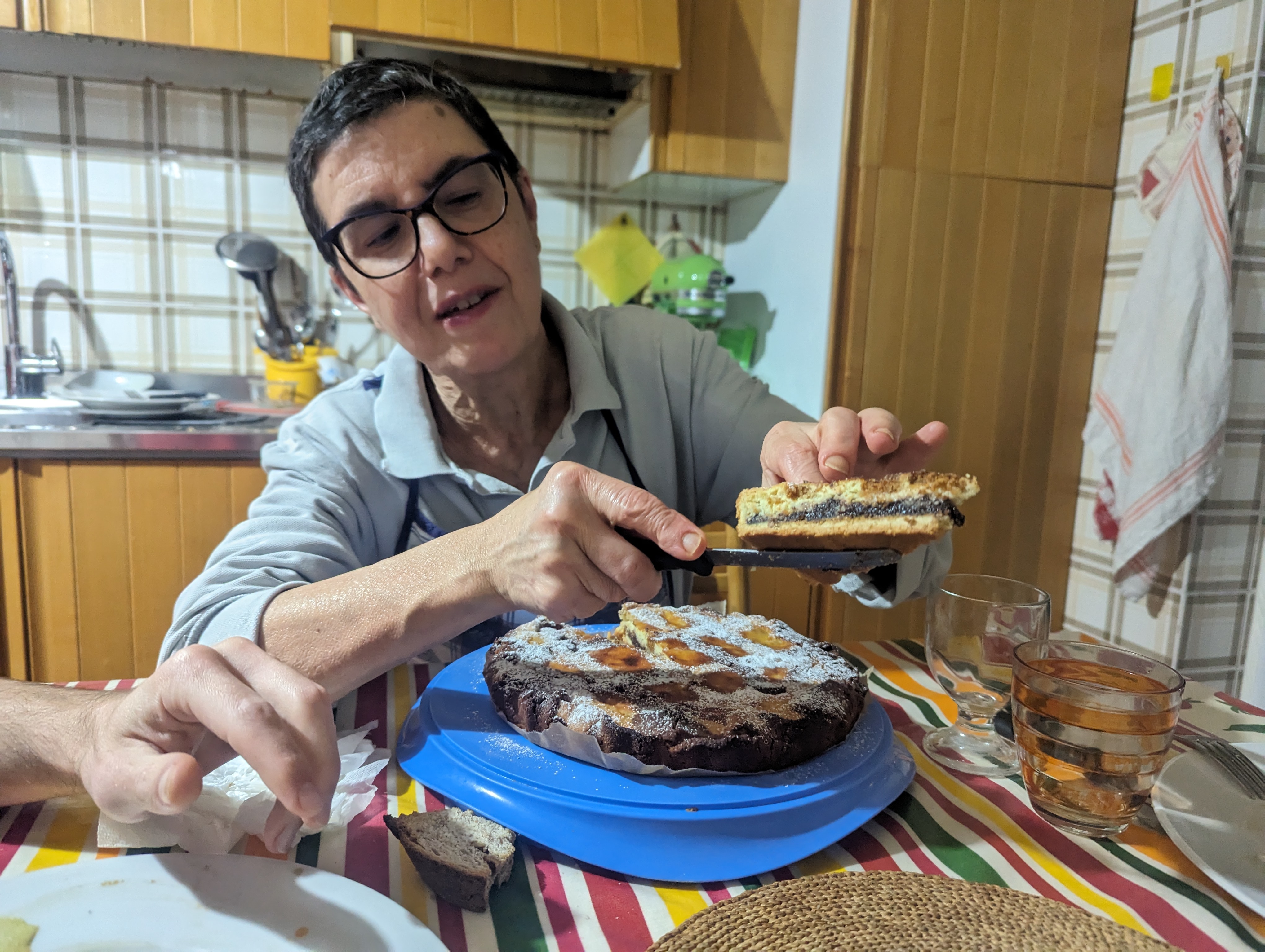
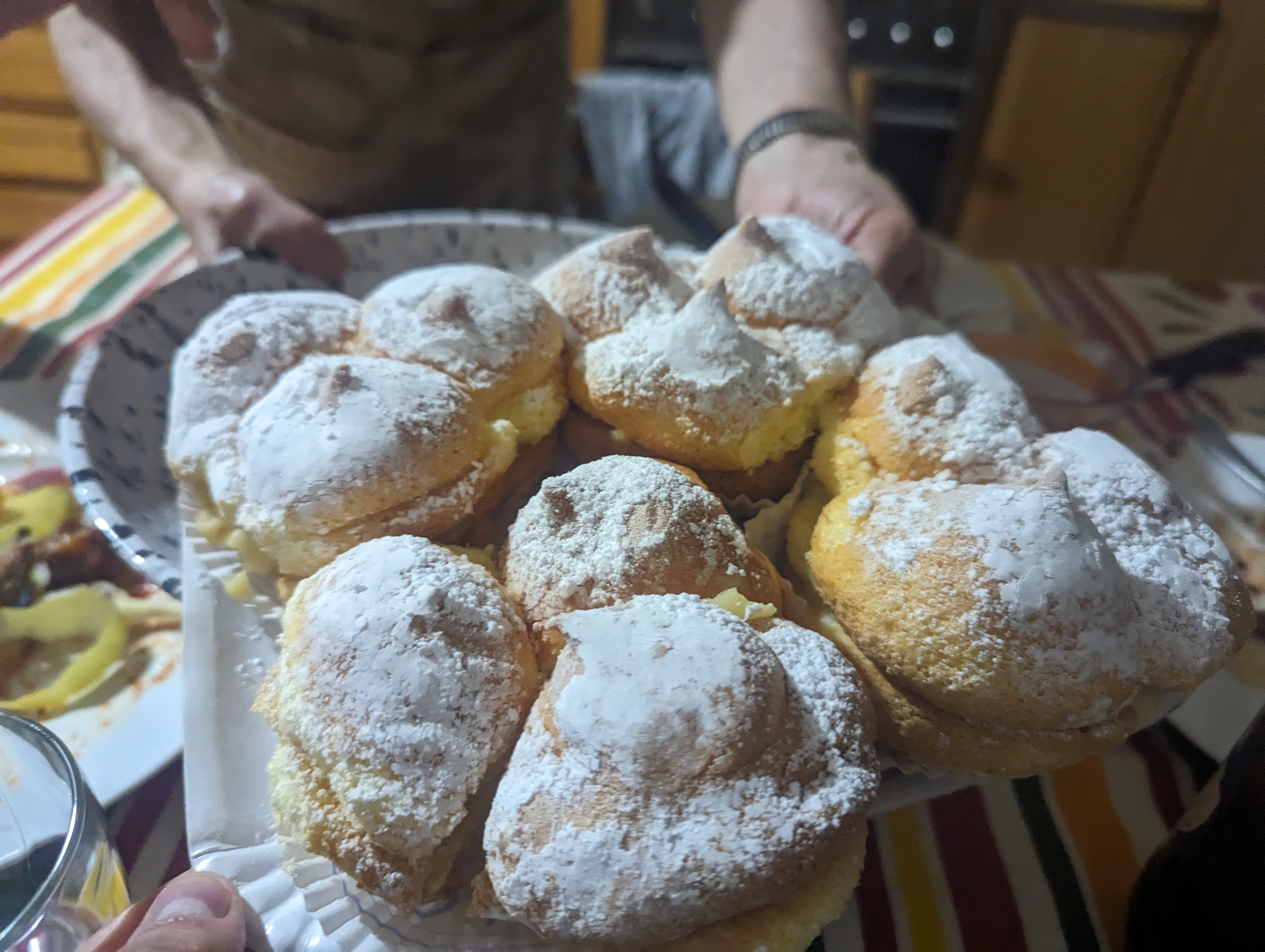
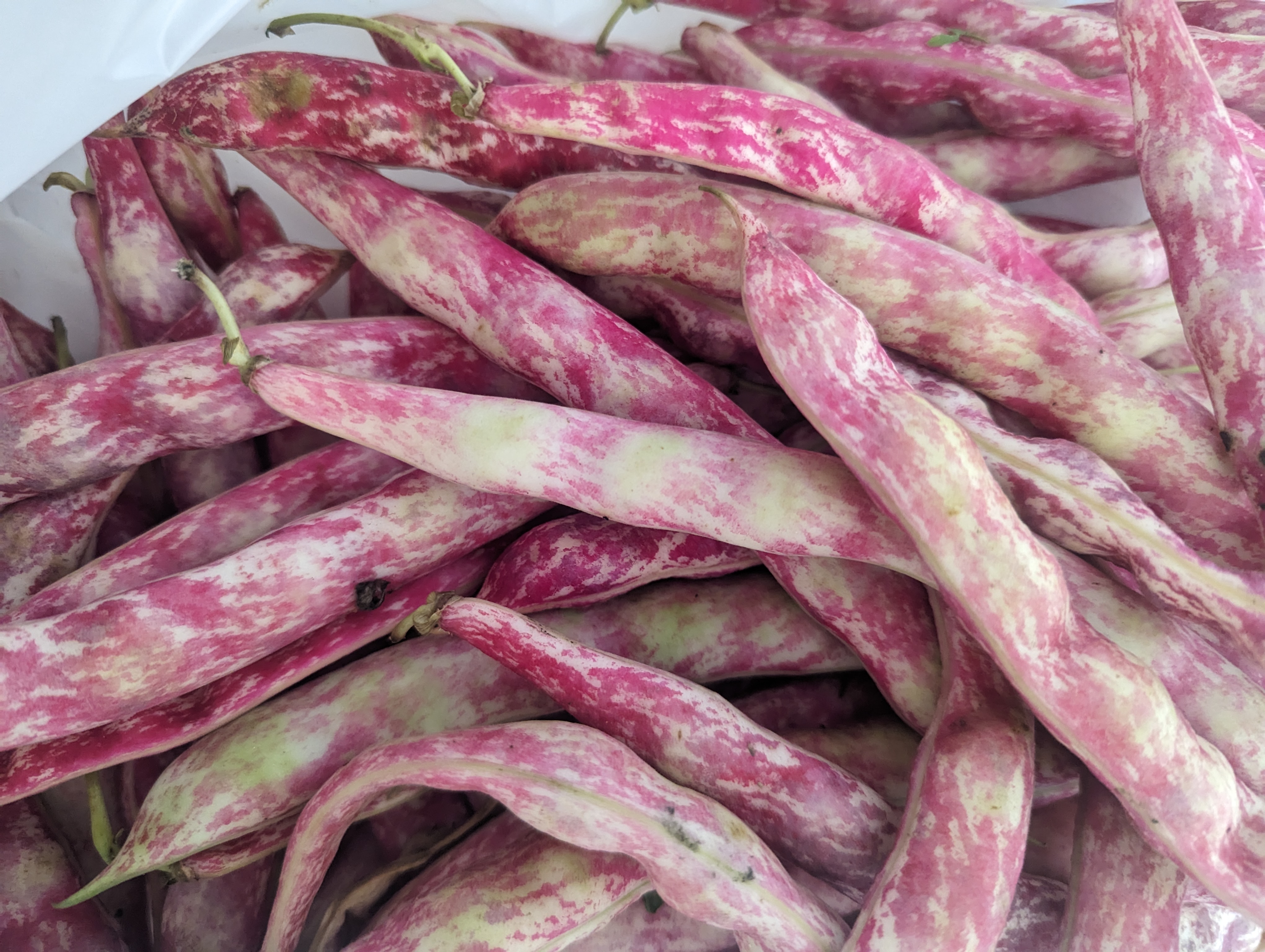
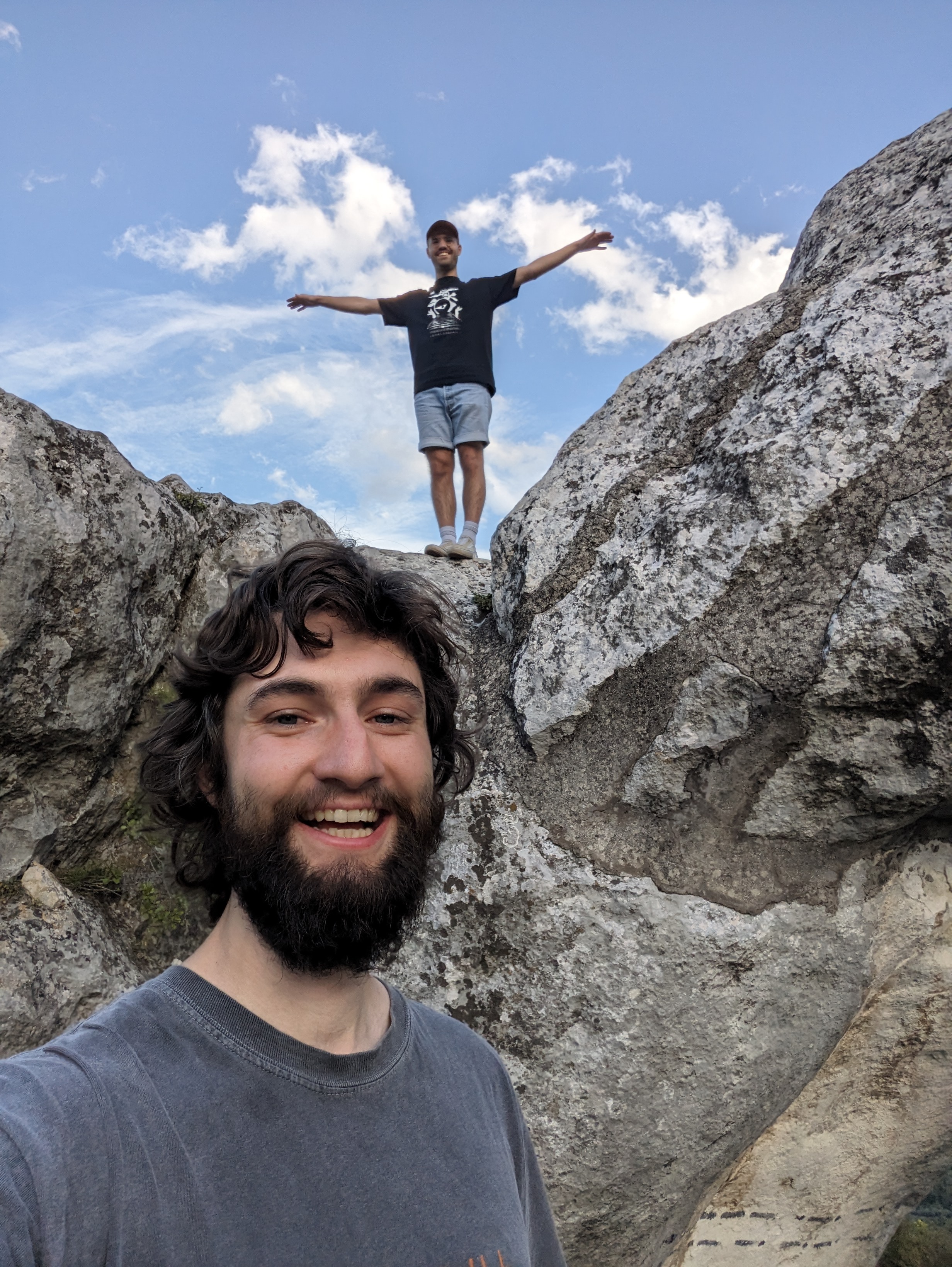
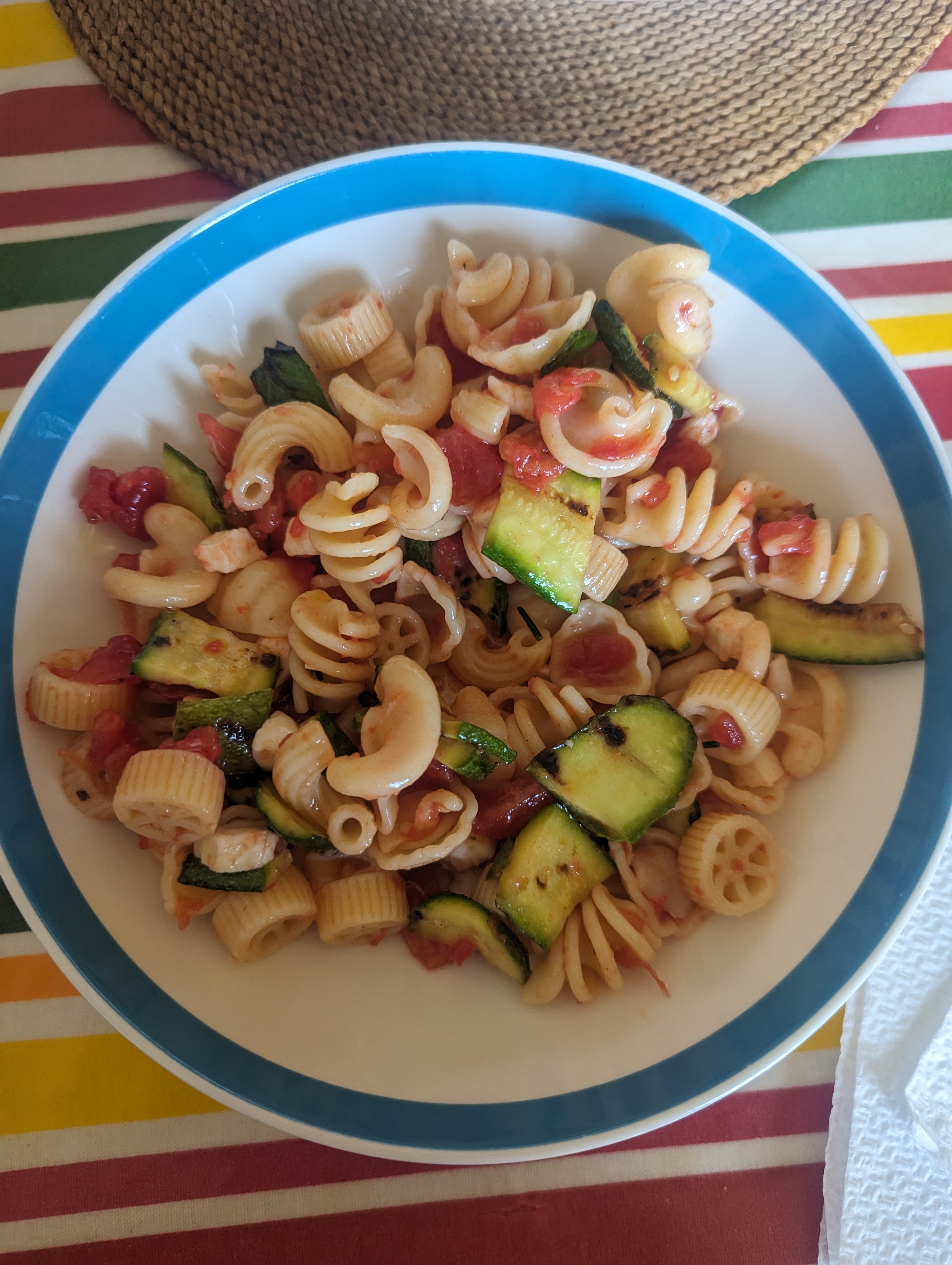
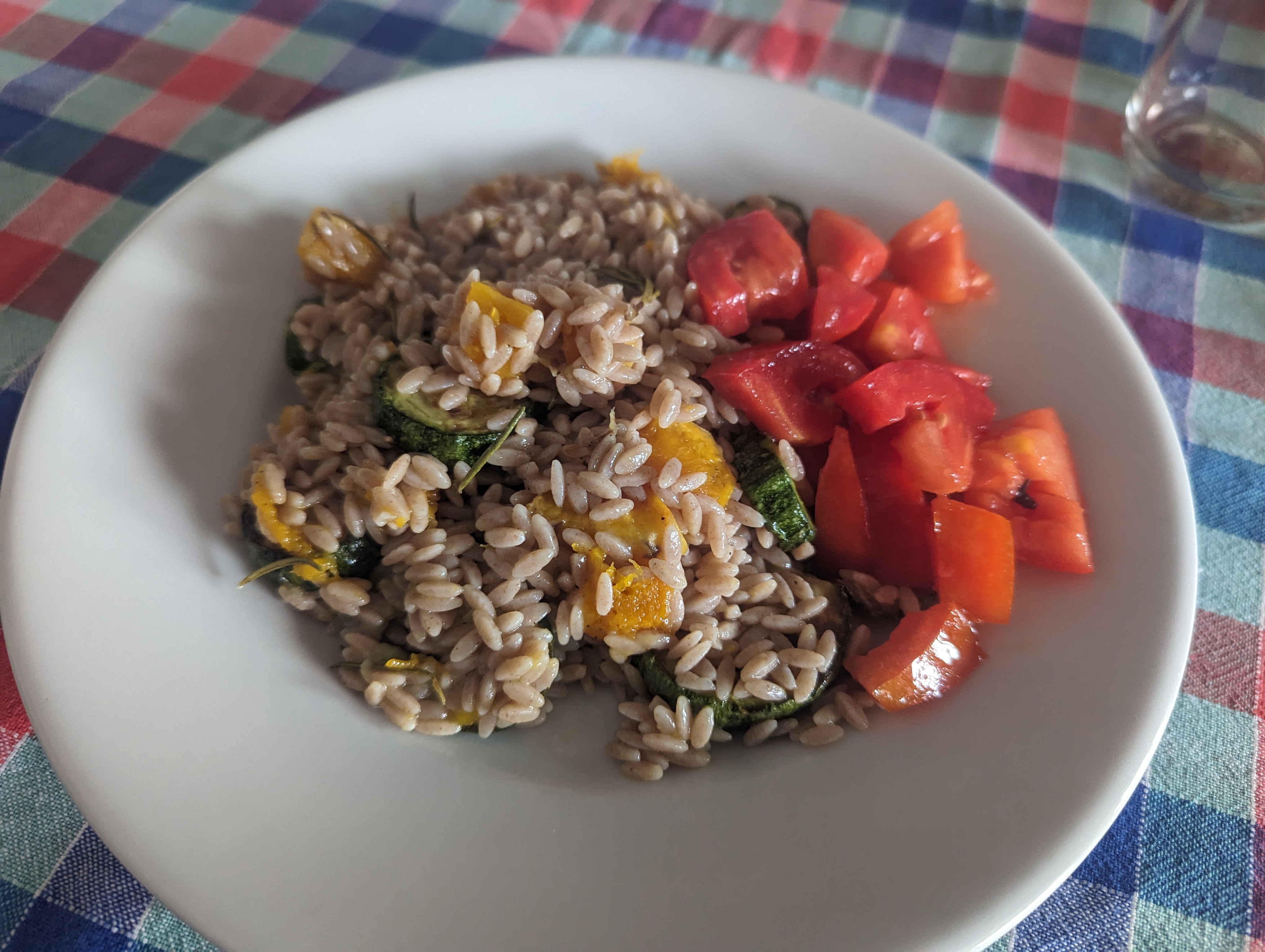
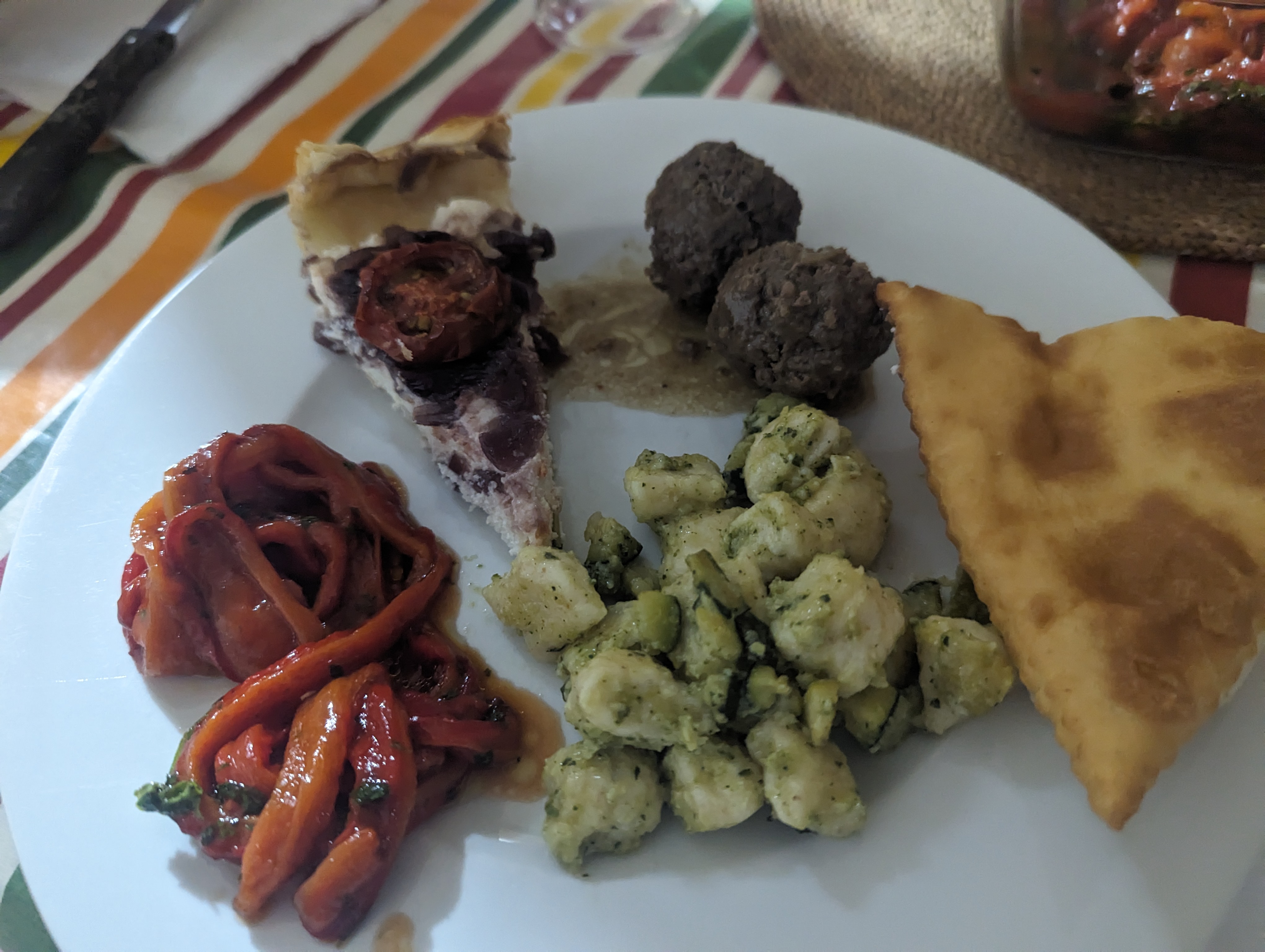
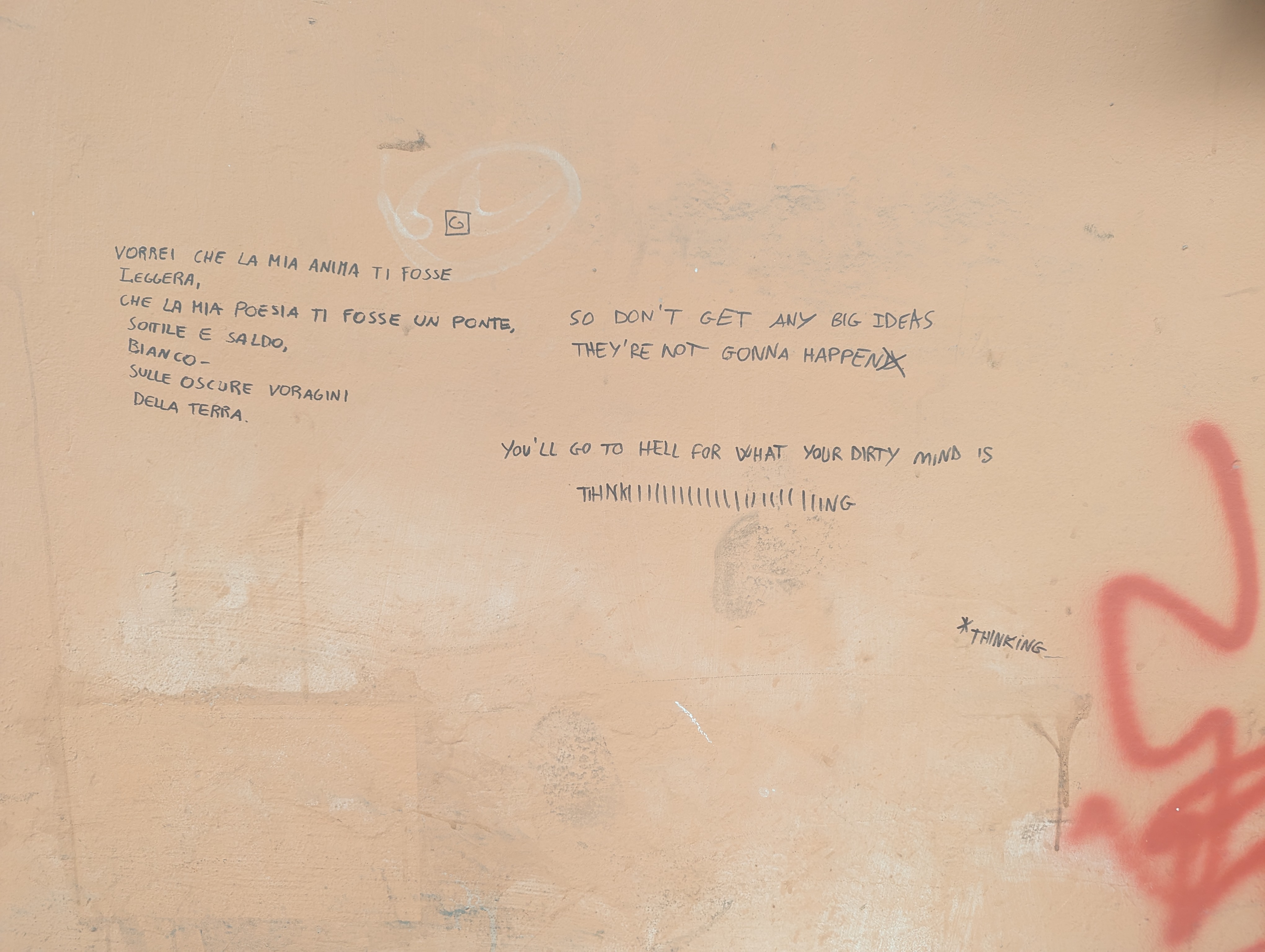
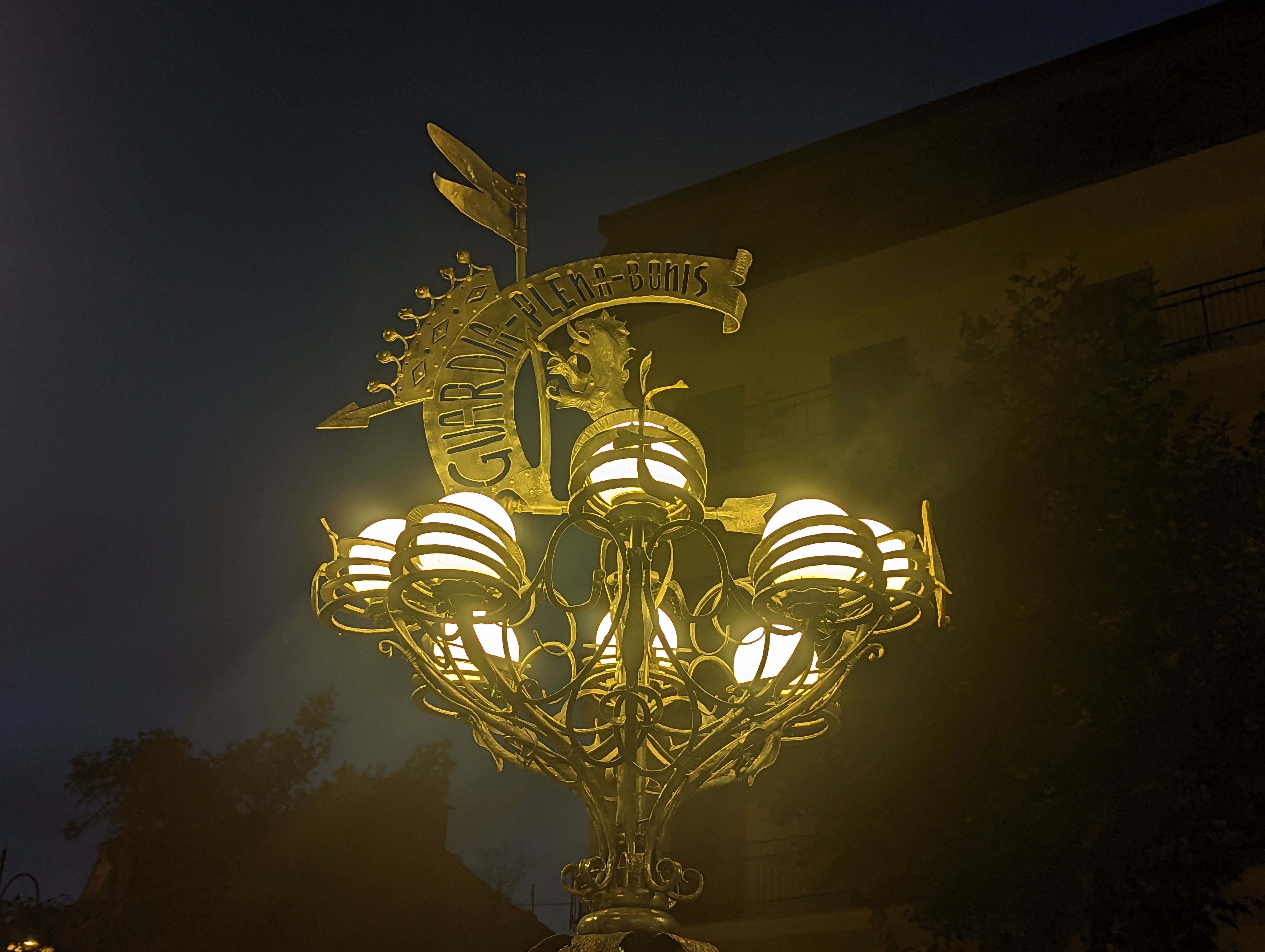
After 2 years of burnout, it was time to take some holiday, and 2 weeks after the show, I travelled with fellow student Francesco to his parents’ house in Guardiagrele, Abruzzo, Italy. We spent just over a week, walking around his small town, marvelling at the hills, and the mountain Maiella, driving to visit his brother and old haunts in Bologna, before returning to Abruzzo and eventually home again.


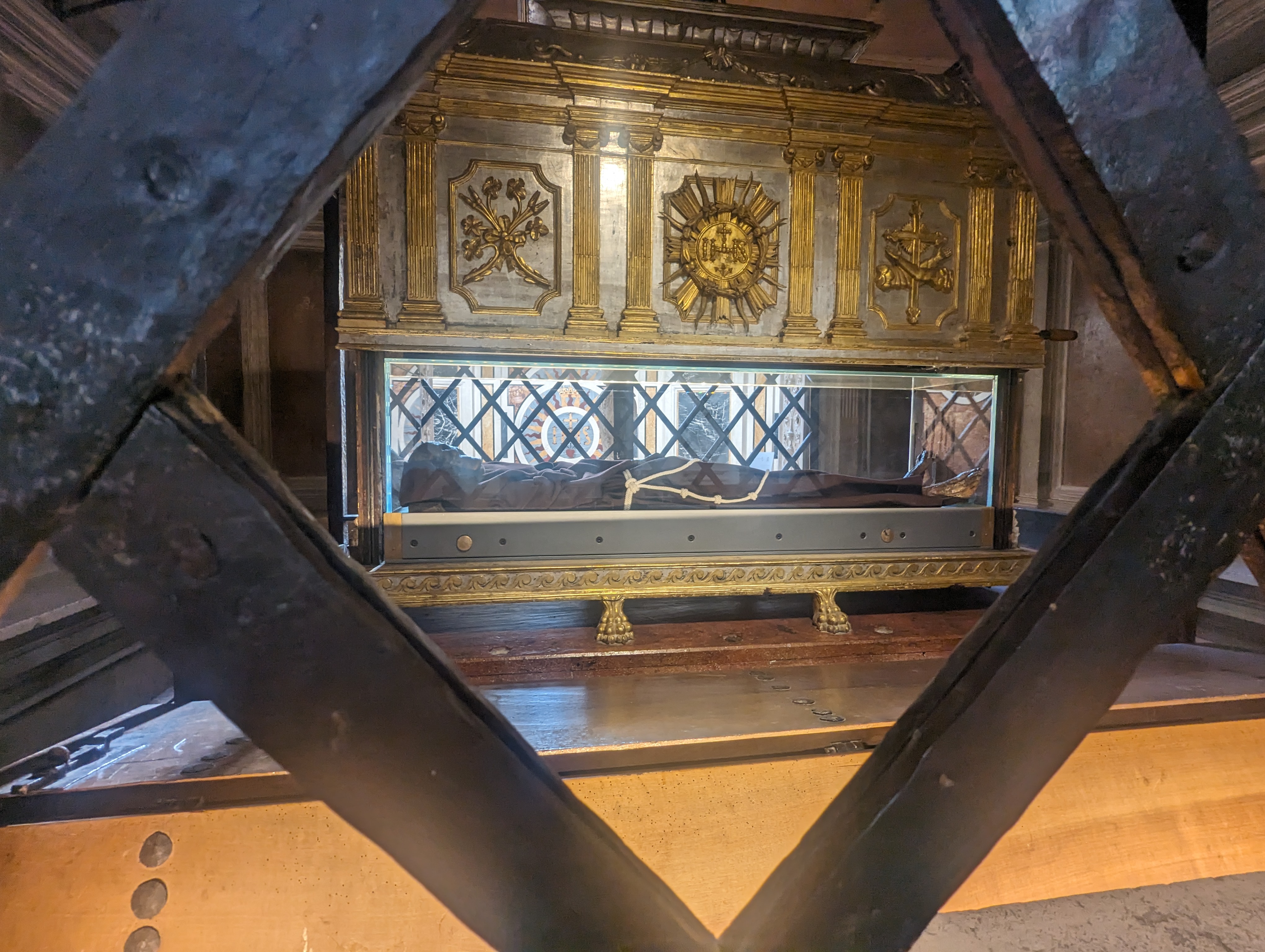

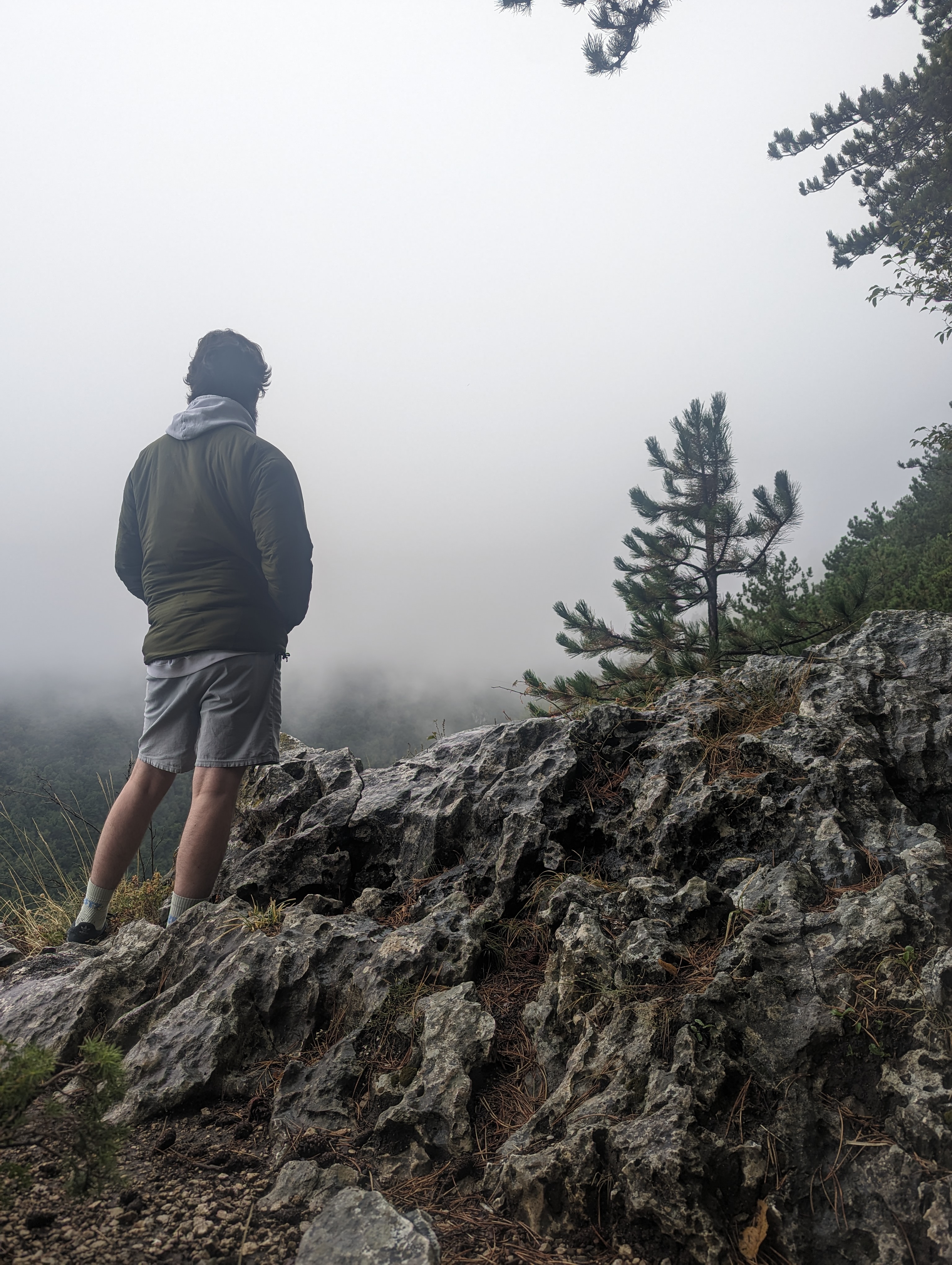
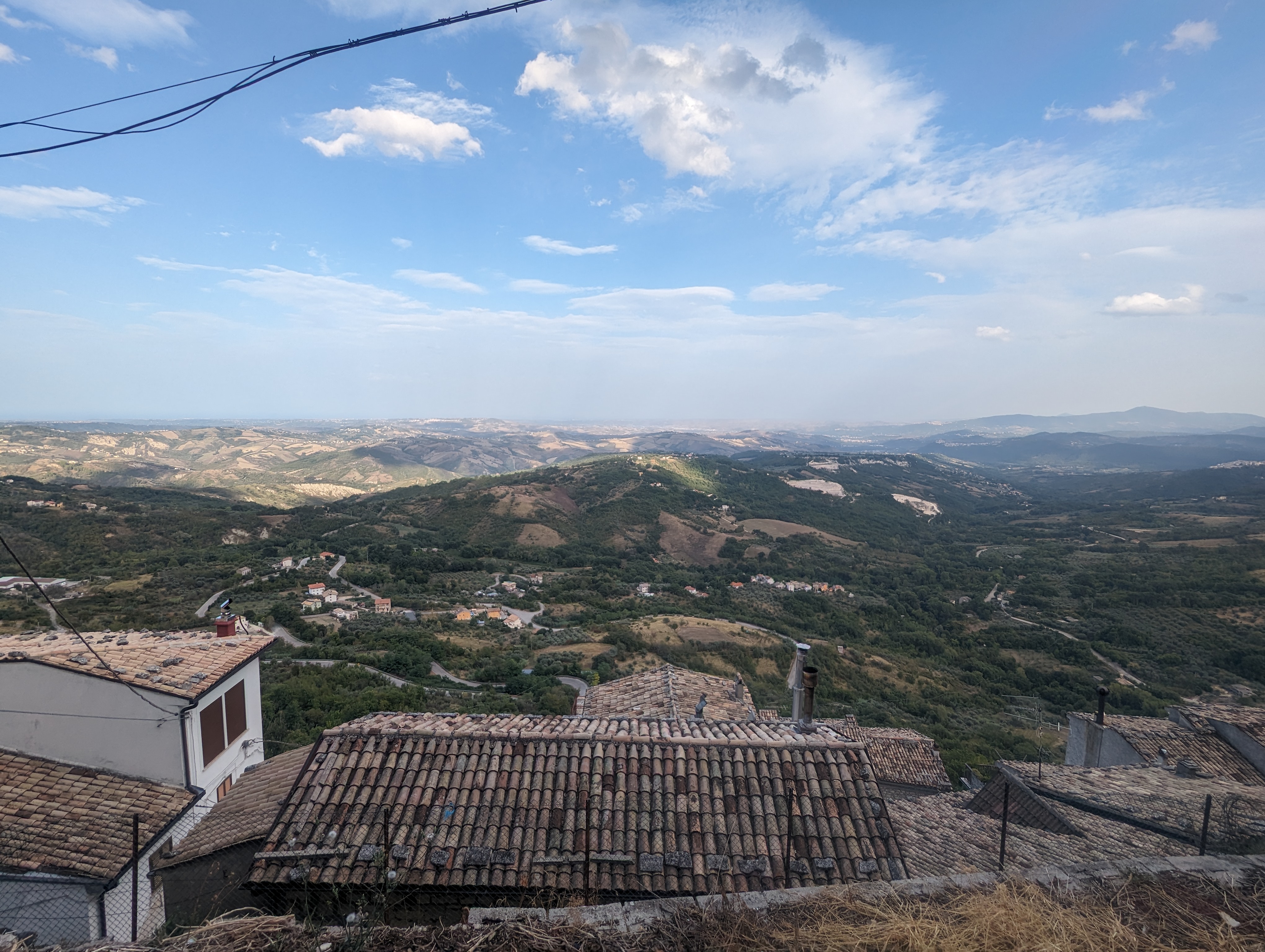
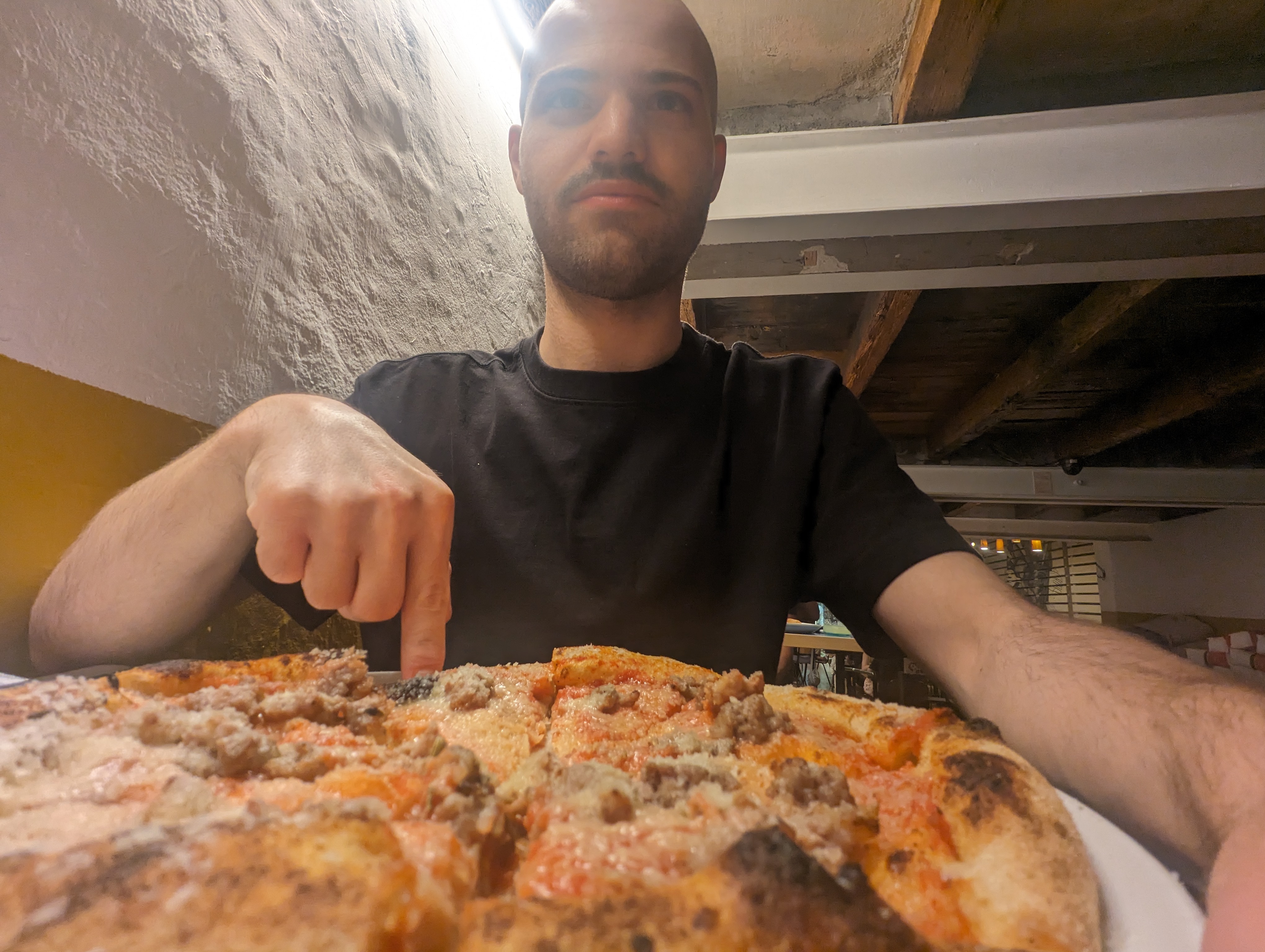





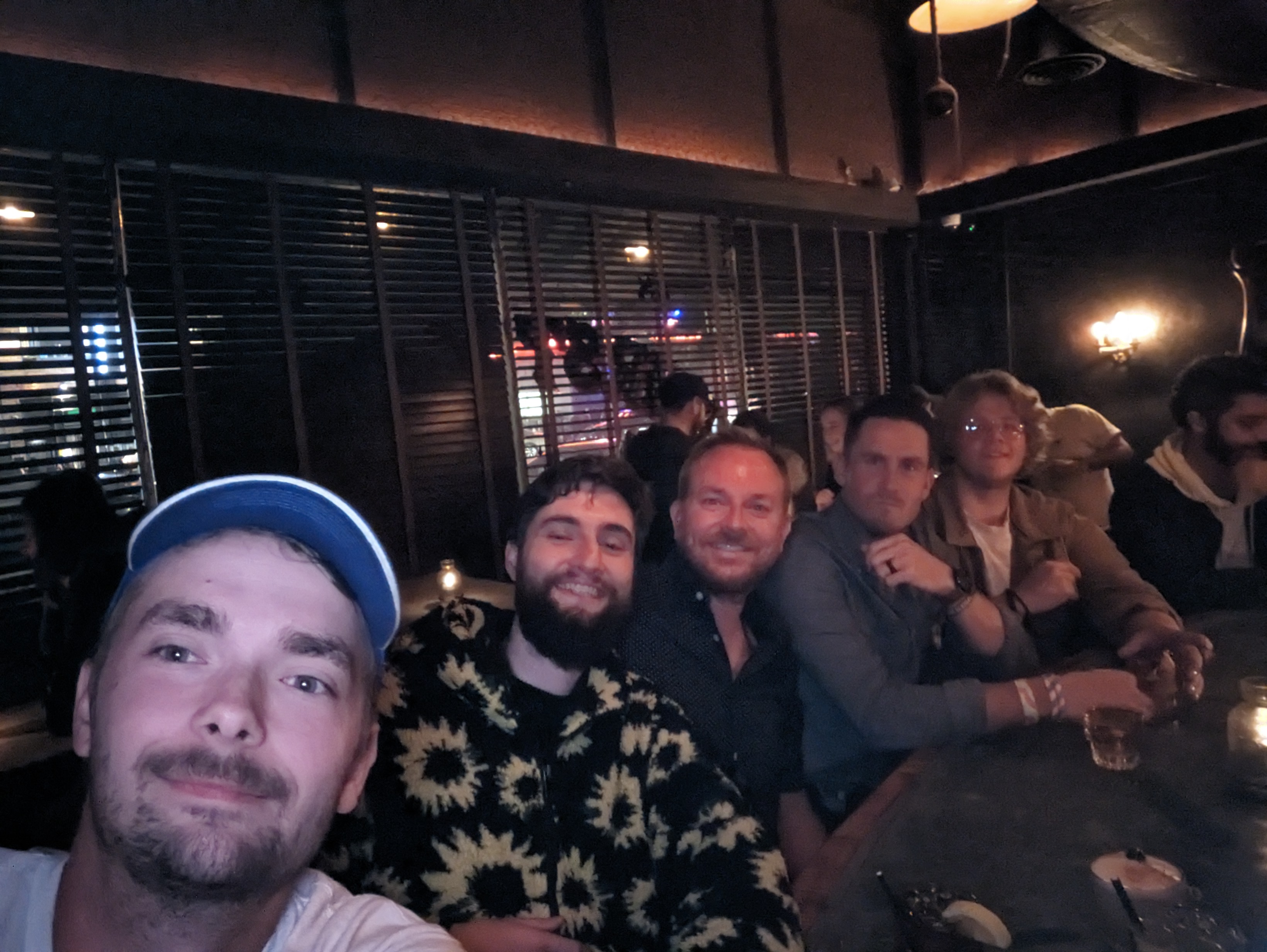
And before I knew it, I was away again, this time to Atlanta, Georgia, USA, to oversee the implementation of an activation involving EEG readers and a cloud/flame-like visual to tell people what cocktail to order. The experience was fun, I walked around Peidmont Park on my last day and got to see Kendrick Lamar, but the best thing was the people working for 180/90 who I got to know.


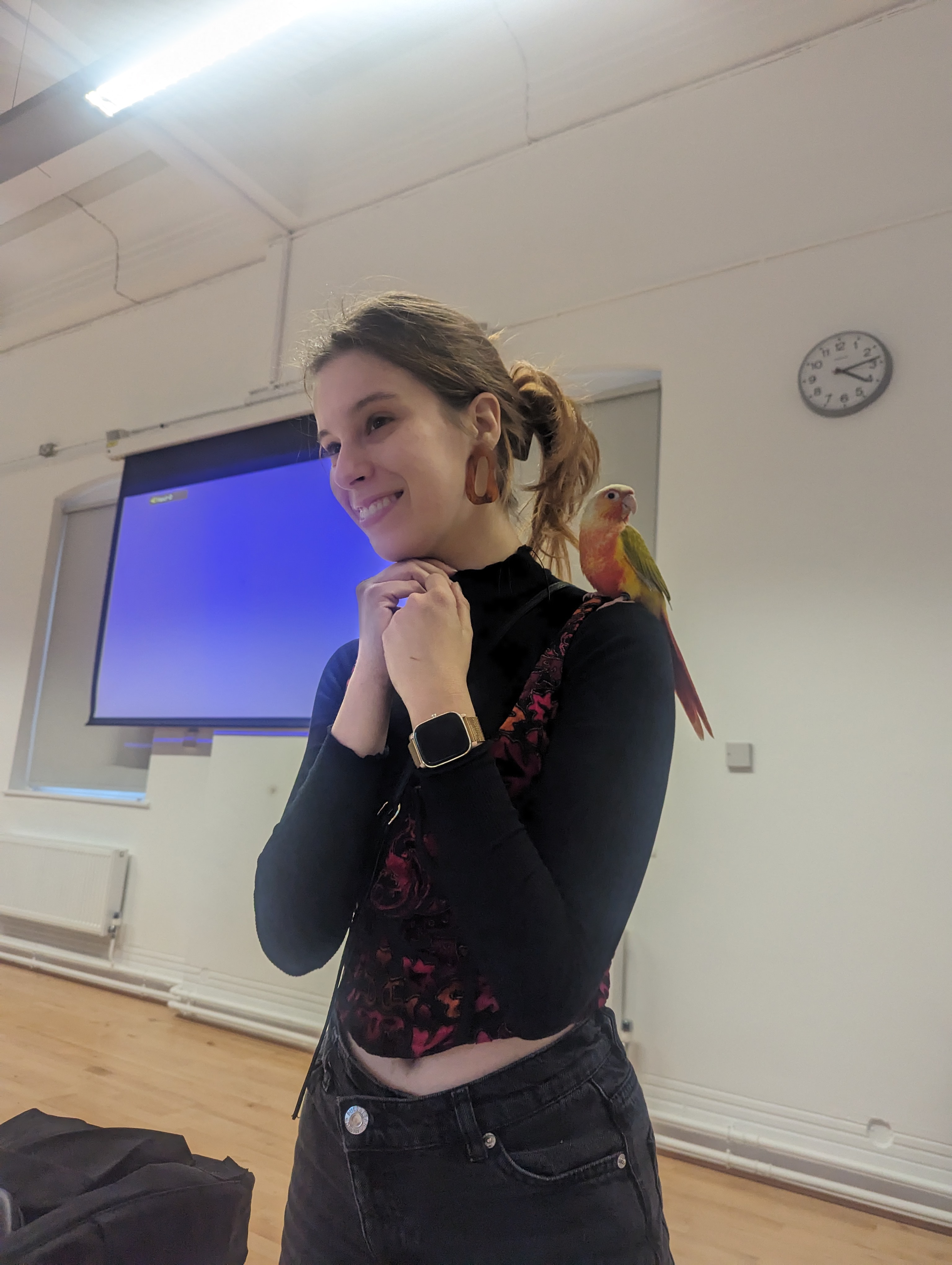

And before I knew it, I was away a third time! This time to LA, again to oversee the activation at a music festival, Camp Flognaw, Tyler The Creator’s event. I got to see Tyler, and Kendrick again, as well as Ice Spice, Pink Pantheress, among others. The crew played bucketball and watched (American) football in back of house. Genuinely a lovely time, though I hadn’t expected LA to get so cold in the afternoons, even though it was November.
There’s something about oceans, the bigness, the vastness, the otherworldlyness of the otherside. We went to Devon for my Dad’s birthday a couple of years back, and I got to stare out into the Atlantic. Being there, alone with the waves, knowing the next solid thing in front of you is a thousand miles away, in the case of Devon, is Canada, is incredible. The world goes on forever, and here you are on this shore, staring out at it. It must be similar to stare into the vastness of space, but I live in a city so all I can see is the bathing yellow light that reflects off the sky and back.
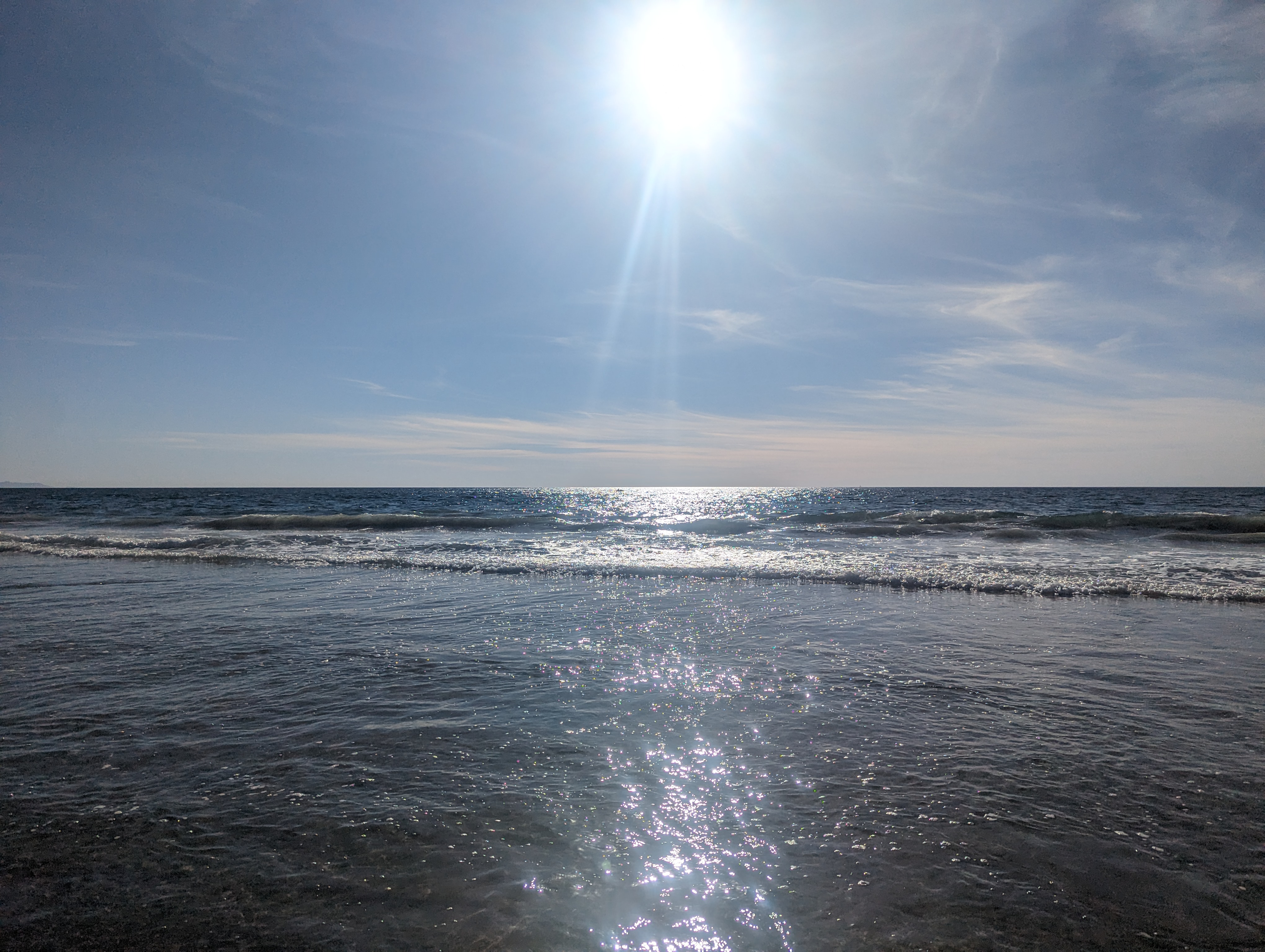
Since that moment in Devon, I had wanted to see the Pacific. You know, cus it’s the biggest “thing” on the planet. Well I guess other than the atmosphere. Either way, its an entire side of the planet I’ve never even been close to before. So now I have, I took the train from my hotel to Santa Monica, and walked down to venice and back up. All the while I stared at the blue.
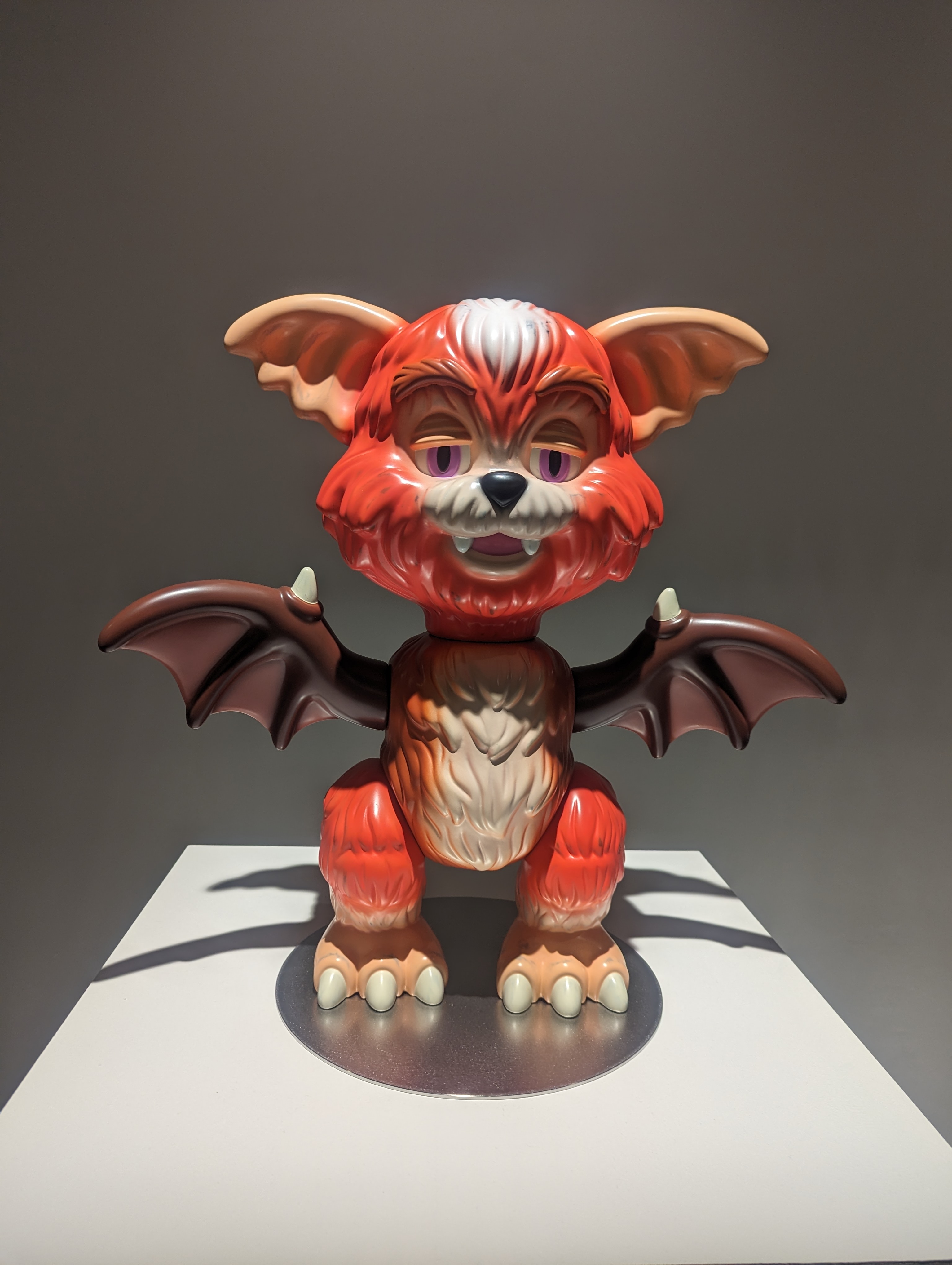
Whilst in LA I visited the Broad, and MOCA, which were both free and nearby. I would have liked to visit LACMA too but time and OMG getting around is hard without a car, and it costs $25 entry. It was refreshing to see Warhols, Basquiats, and more up close in what is a wonderful collection in a beautiful building in the borad. MOCA too has a great collection with Pollock and Rothko hitting you right in the face when you enter, before finally showing some work that is not from New York (A theme of LA galleries it seemed).
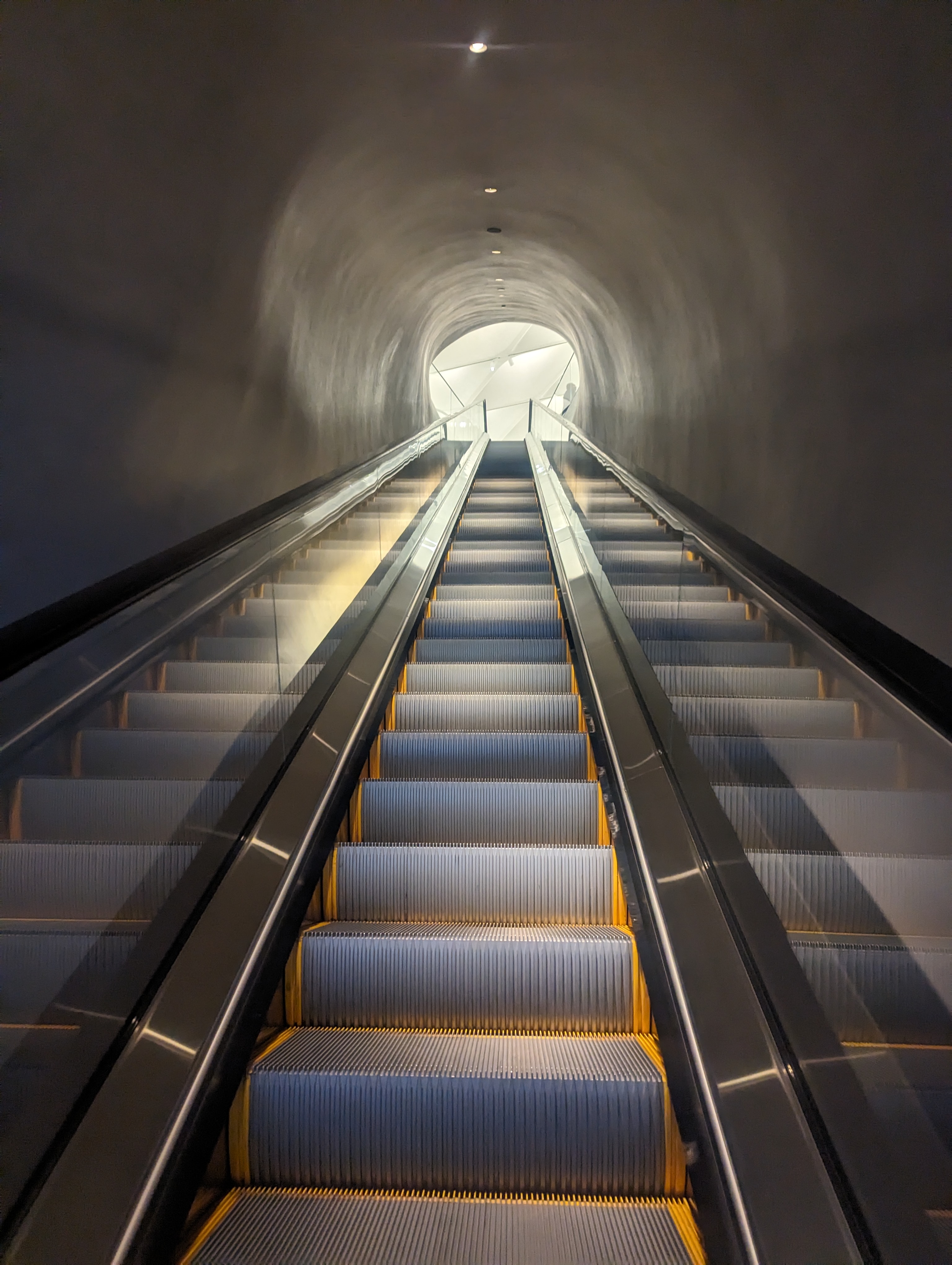

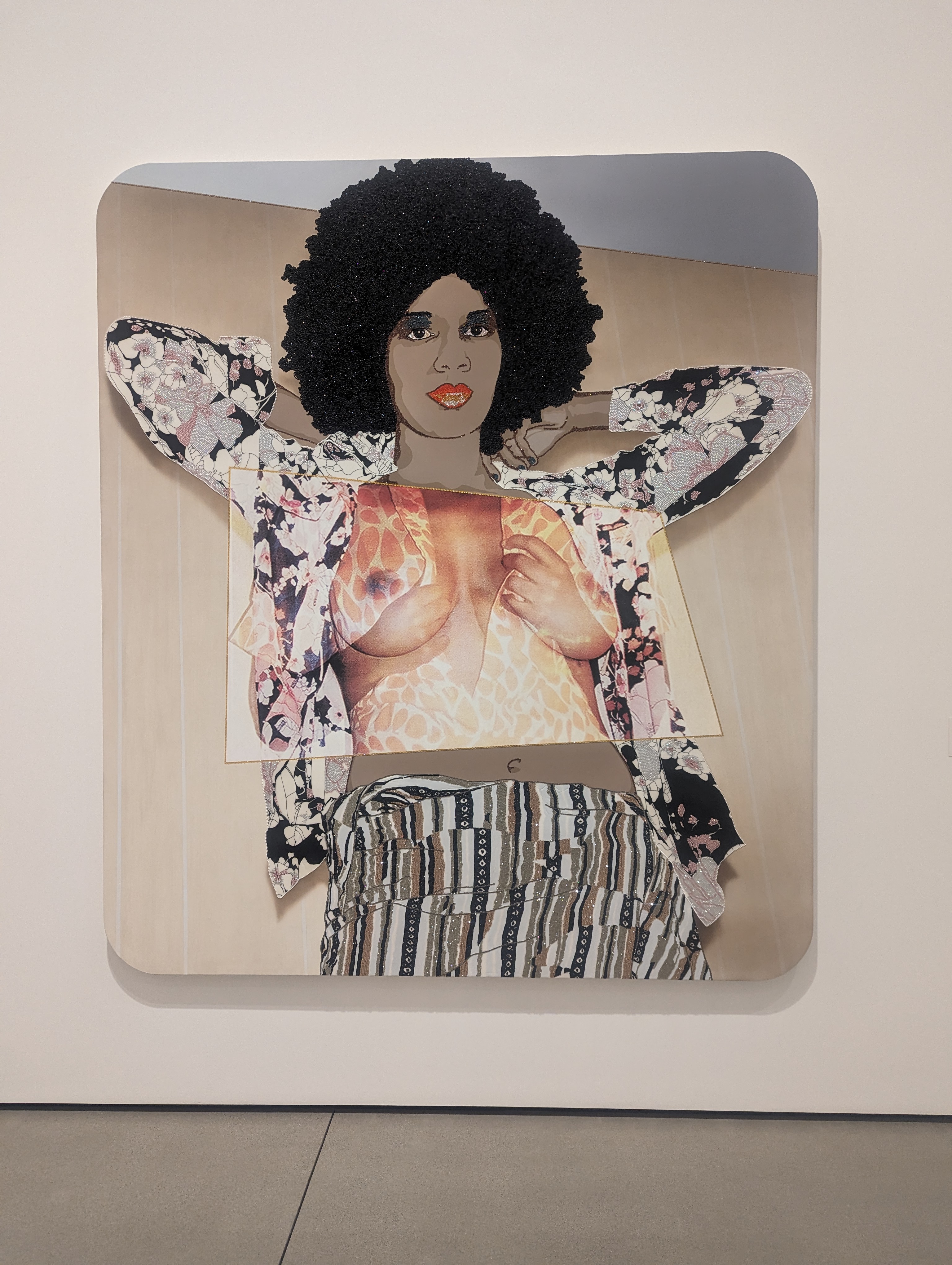
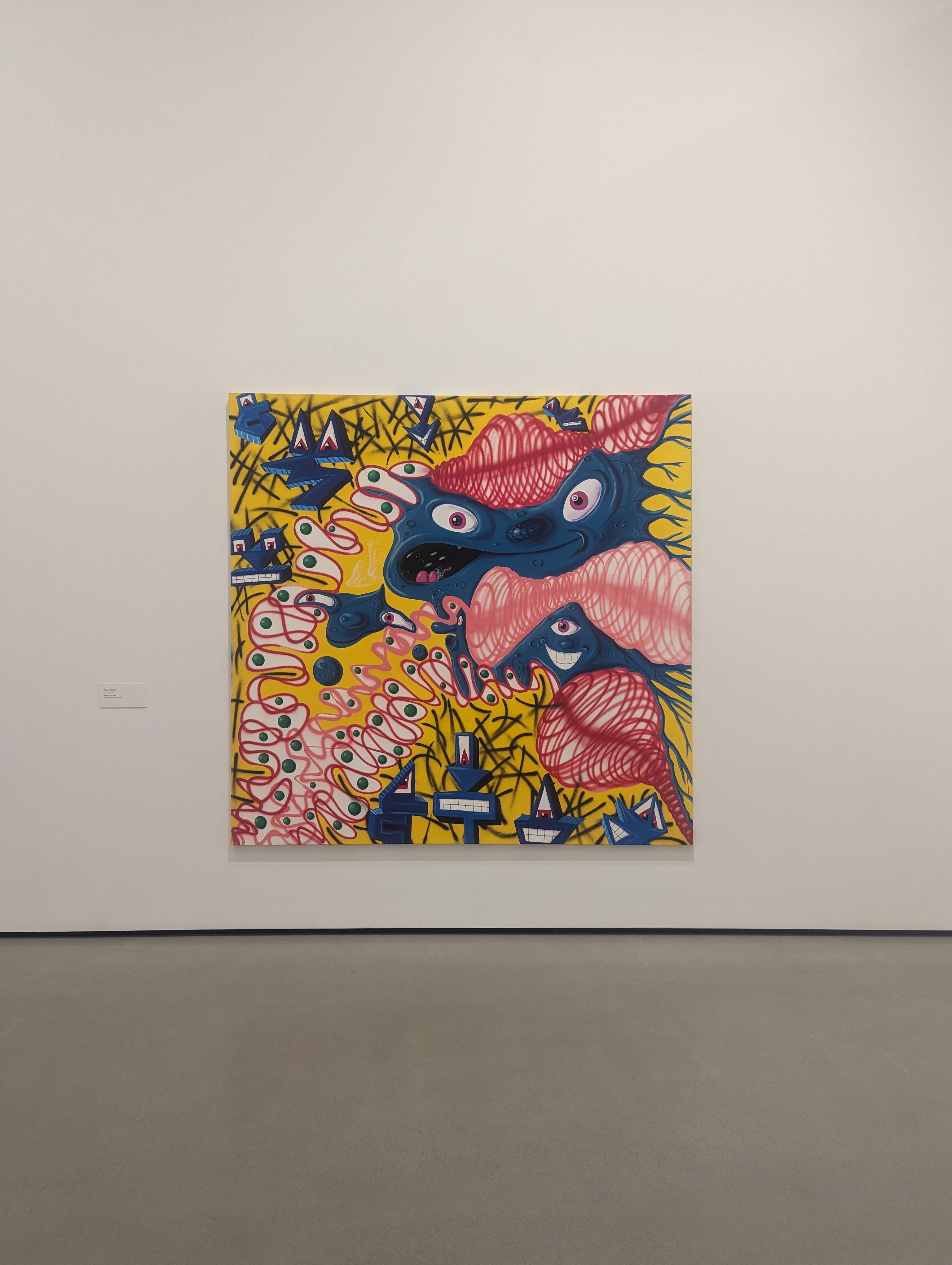

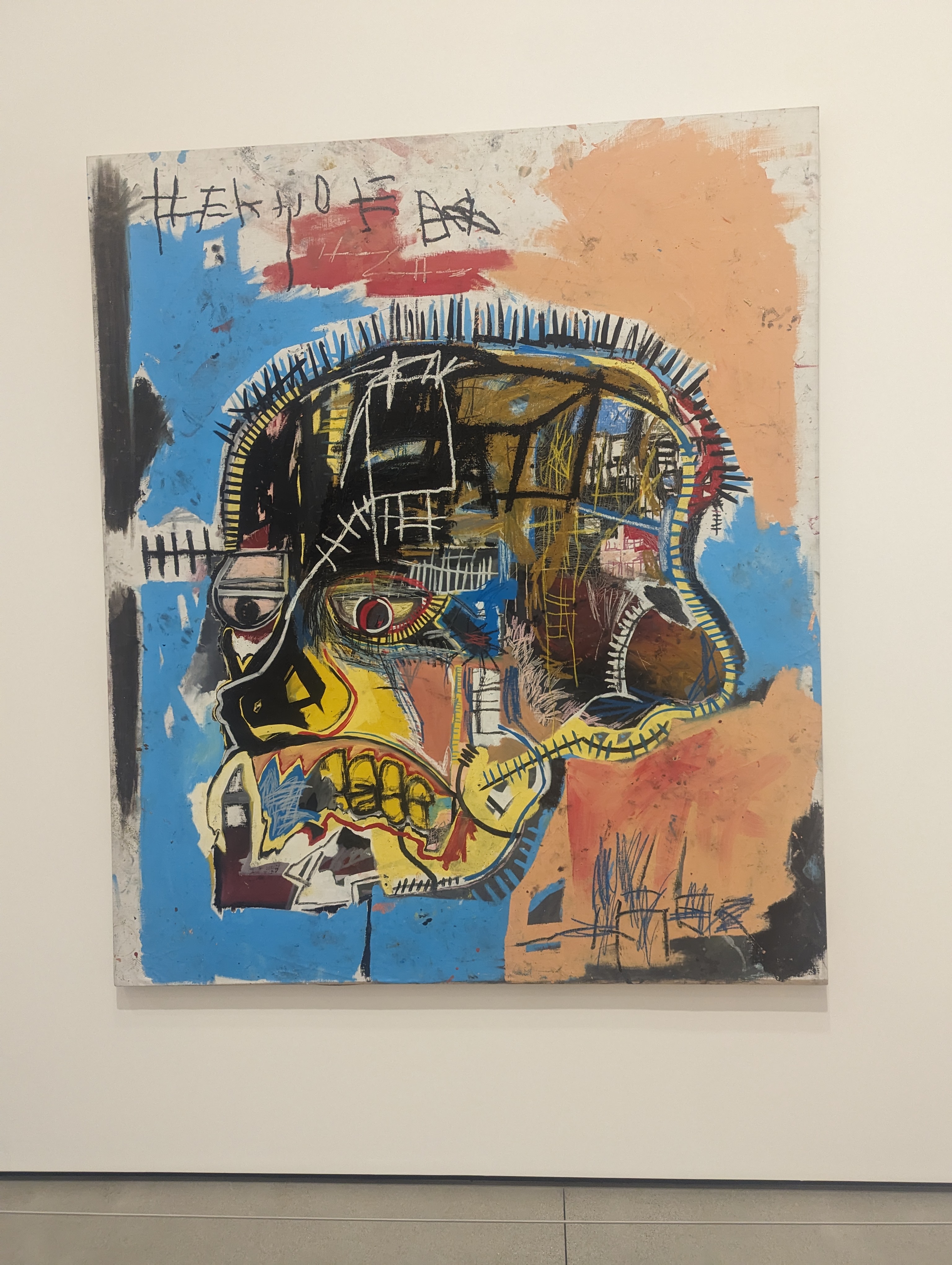
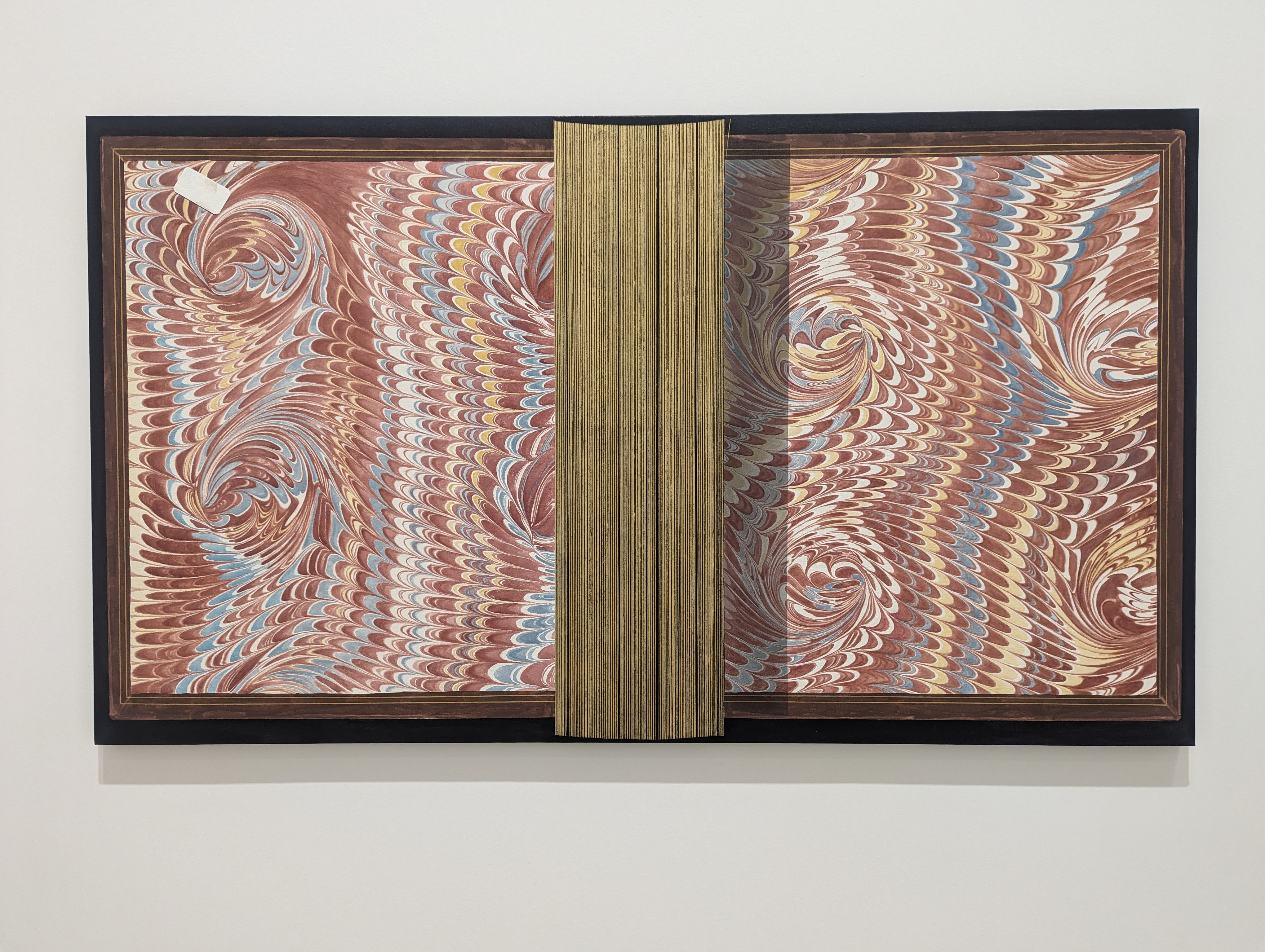


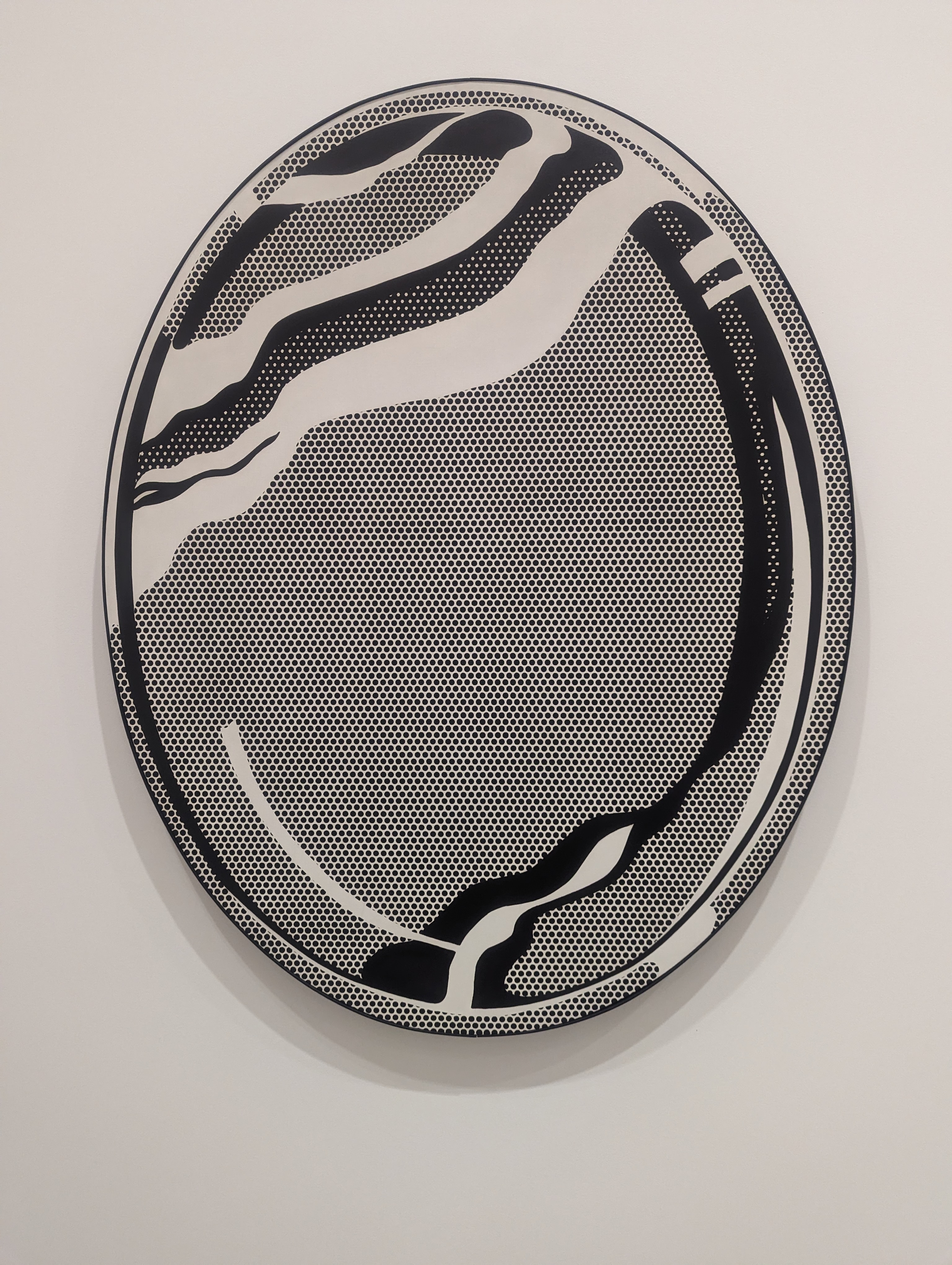

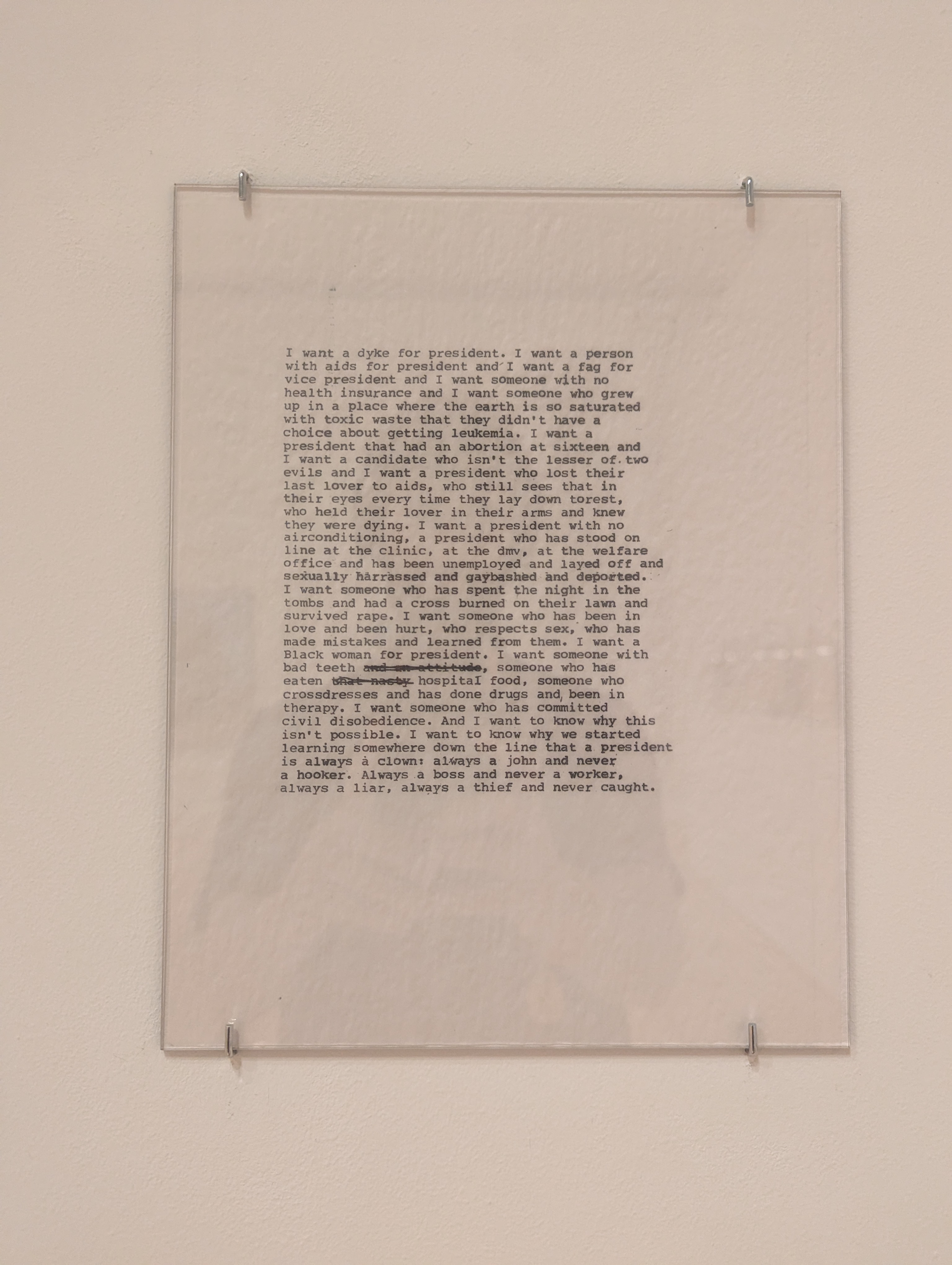


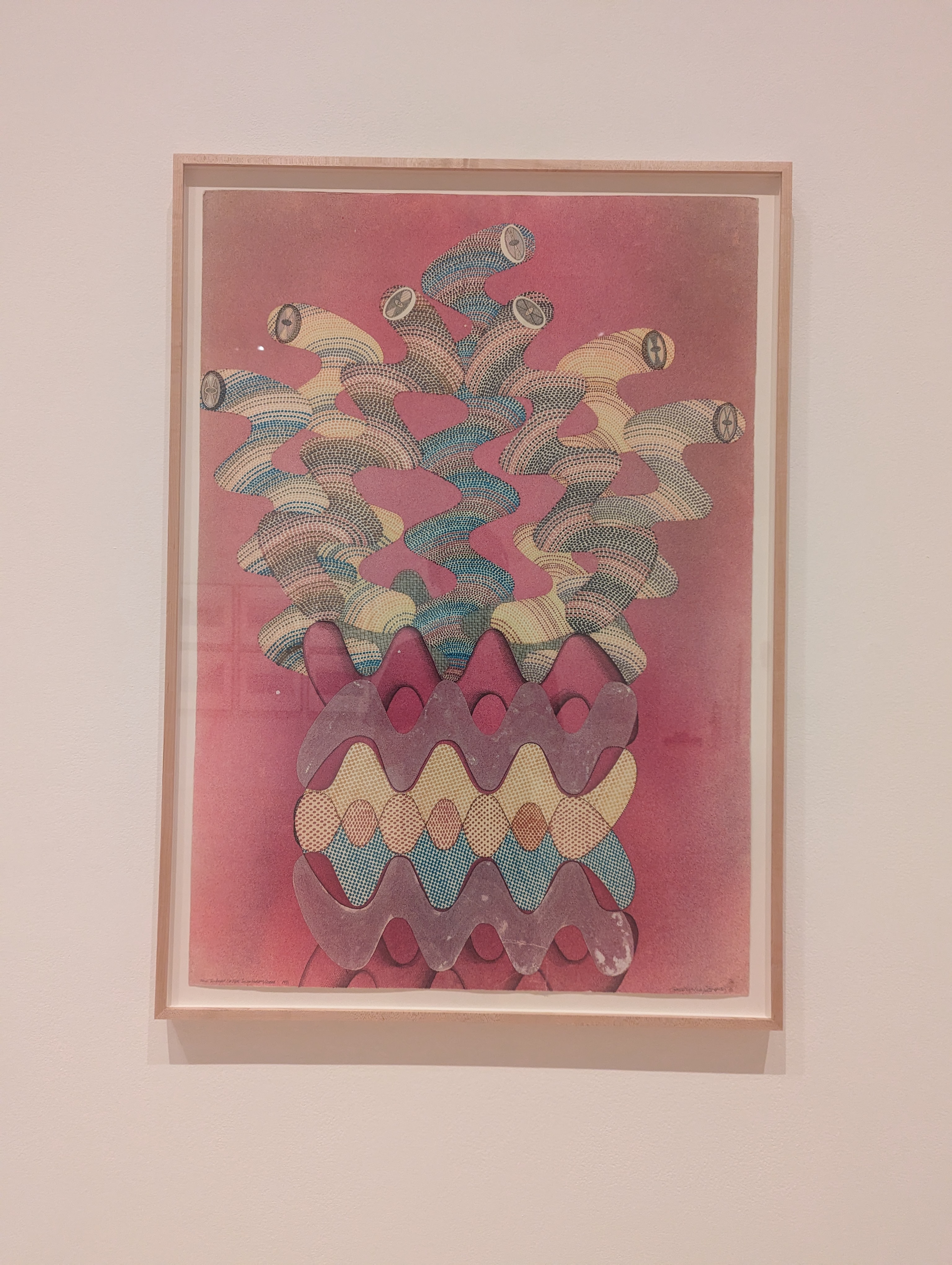


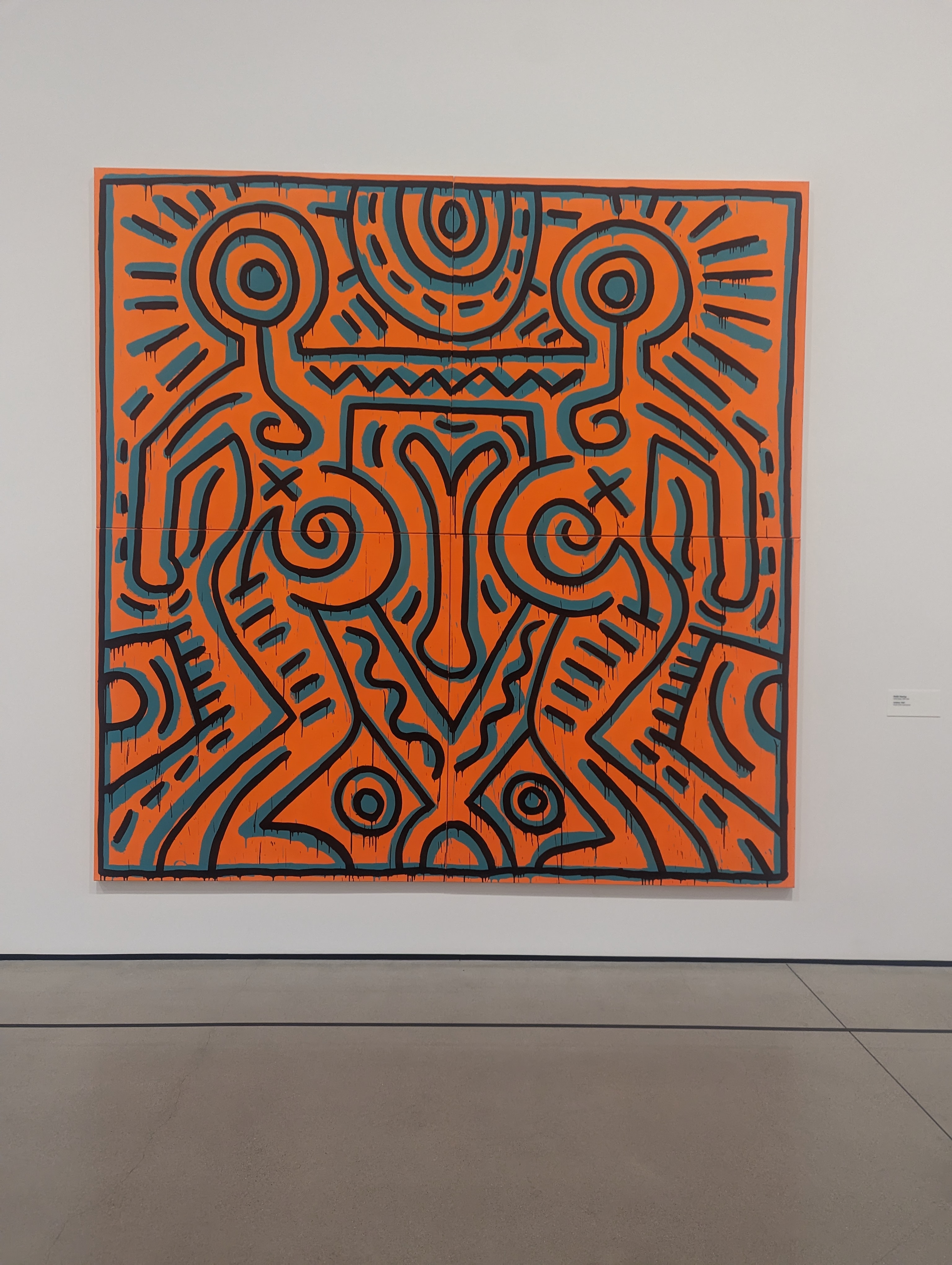
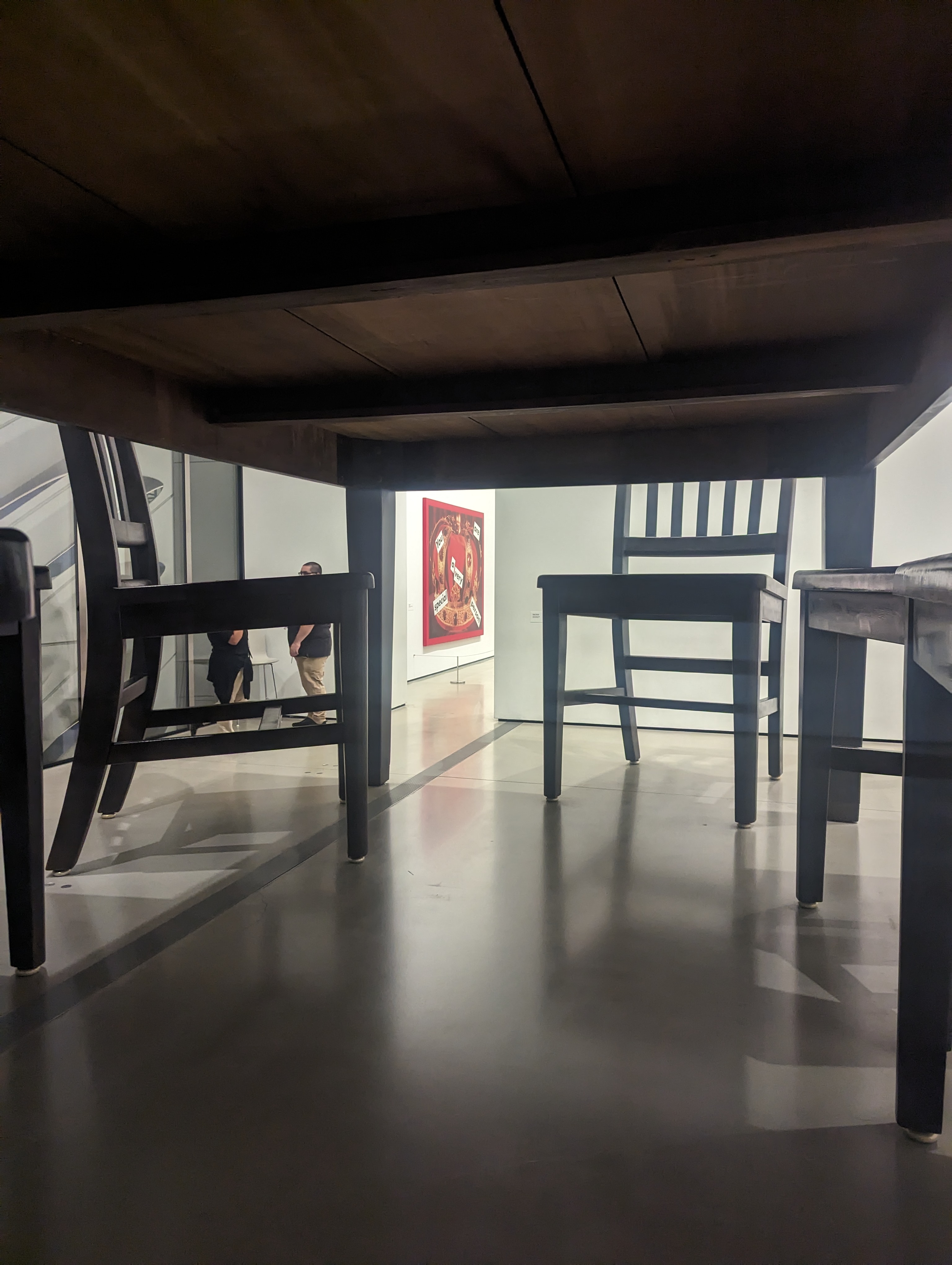

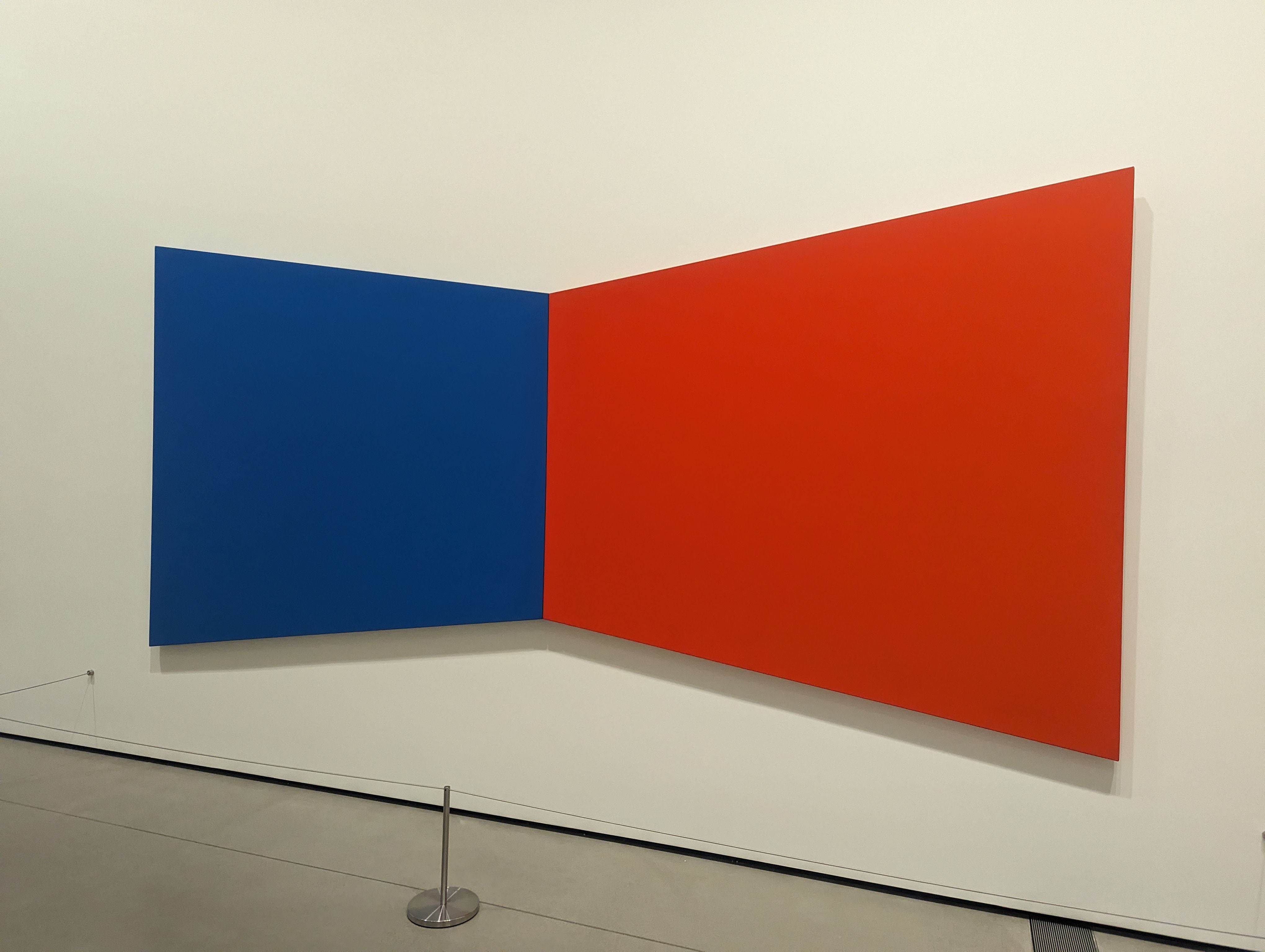
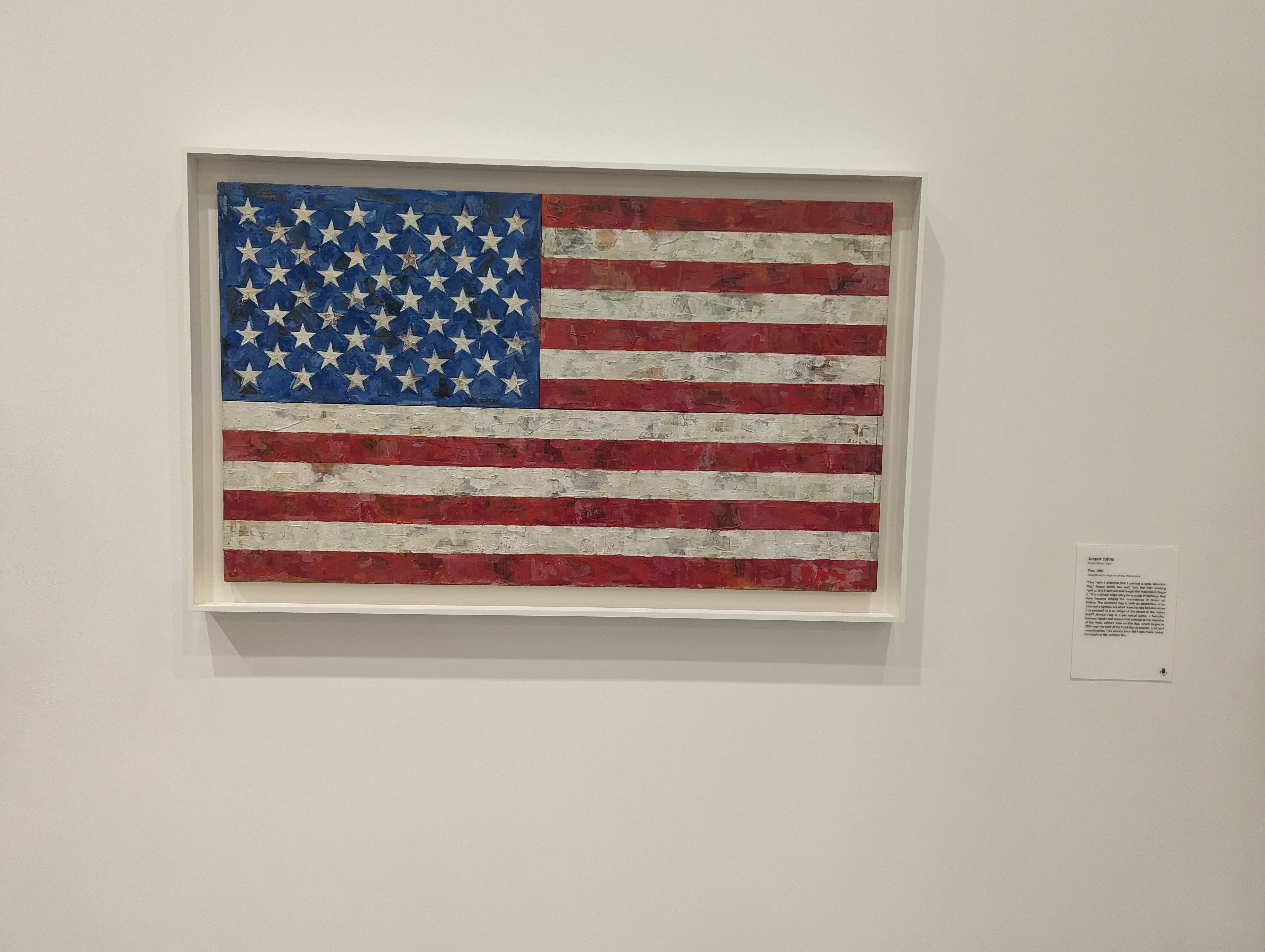
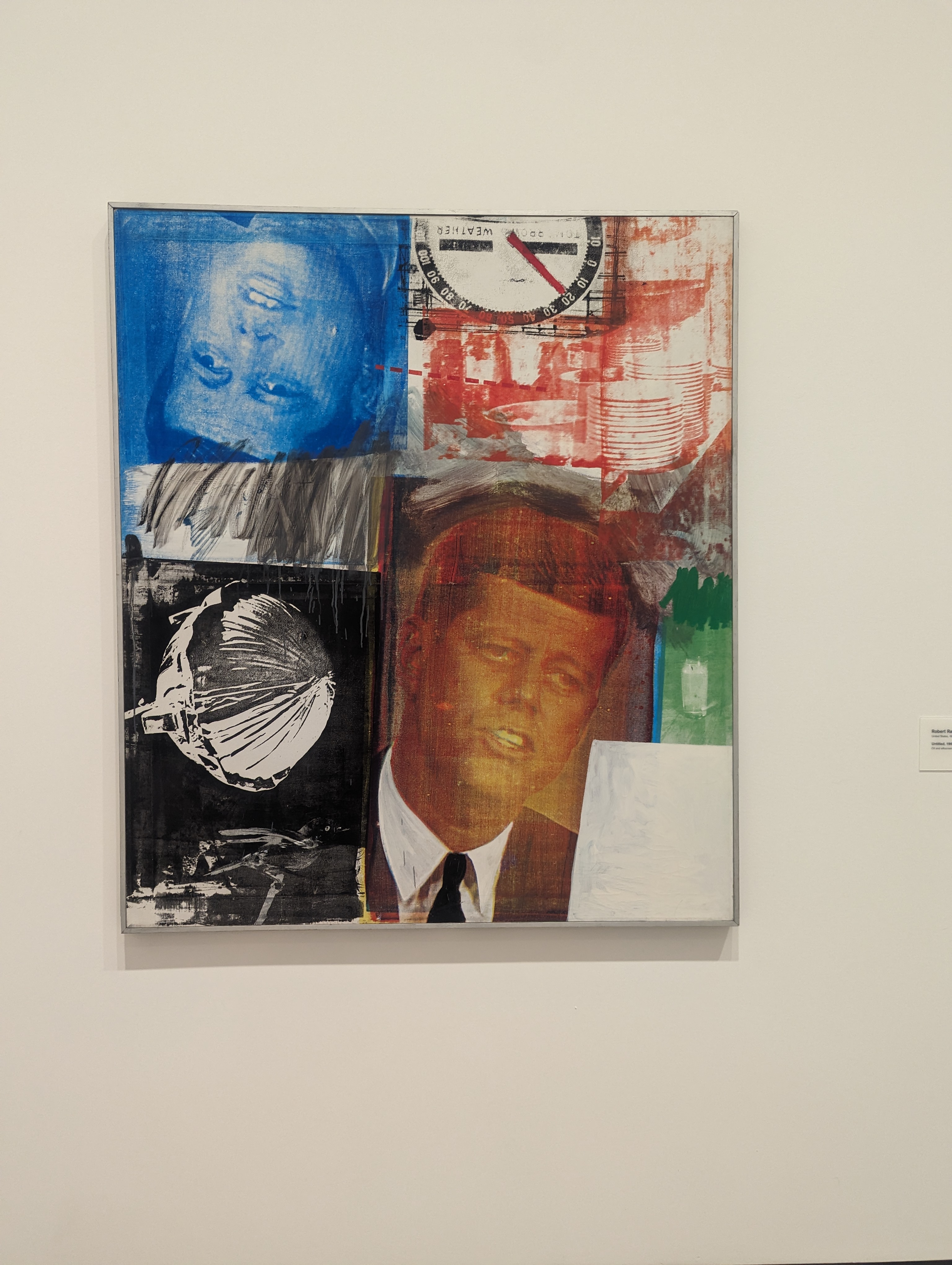

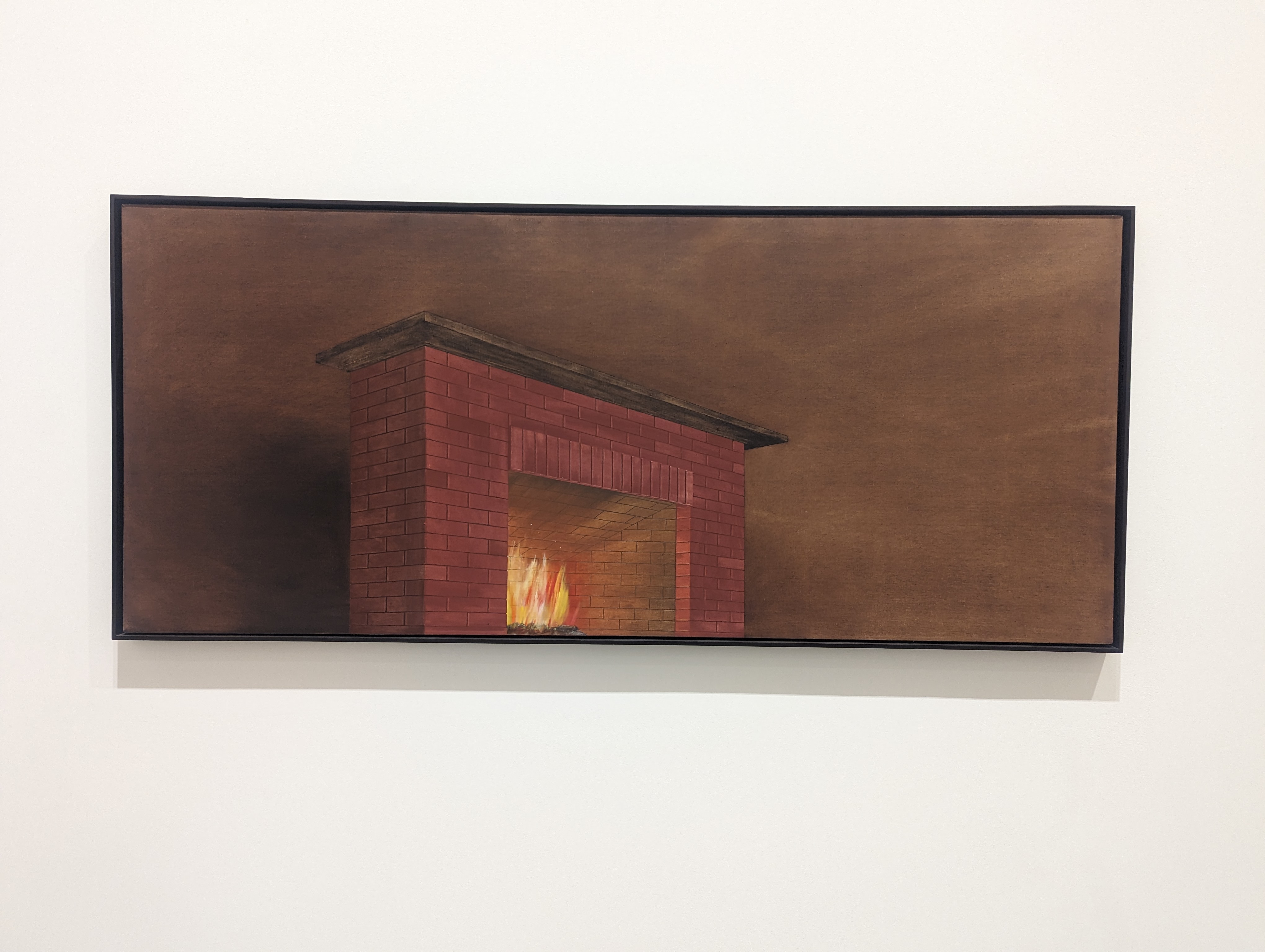
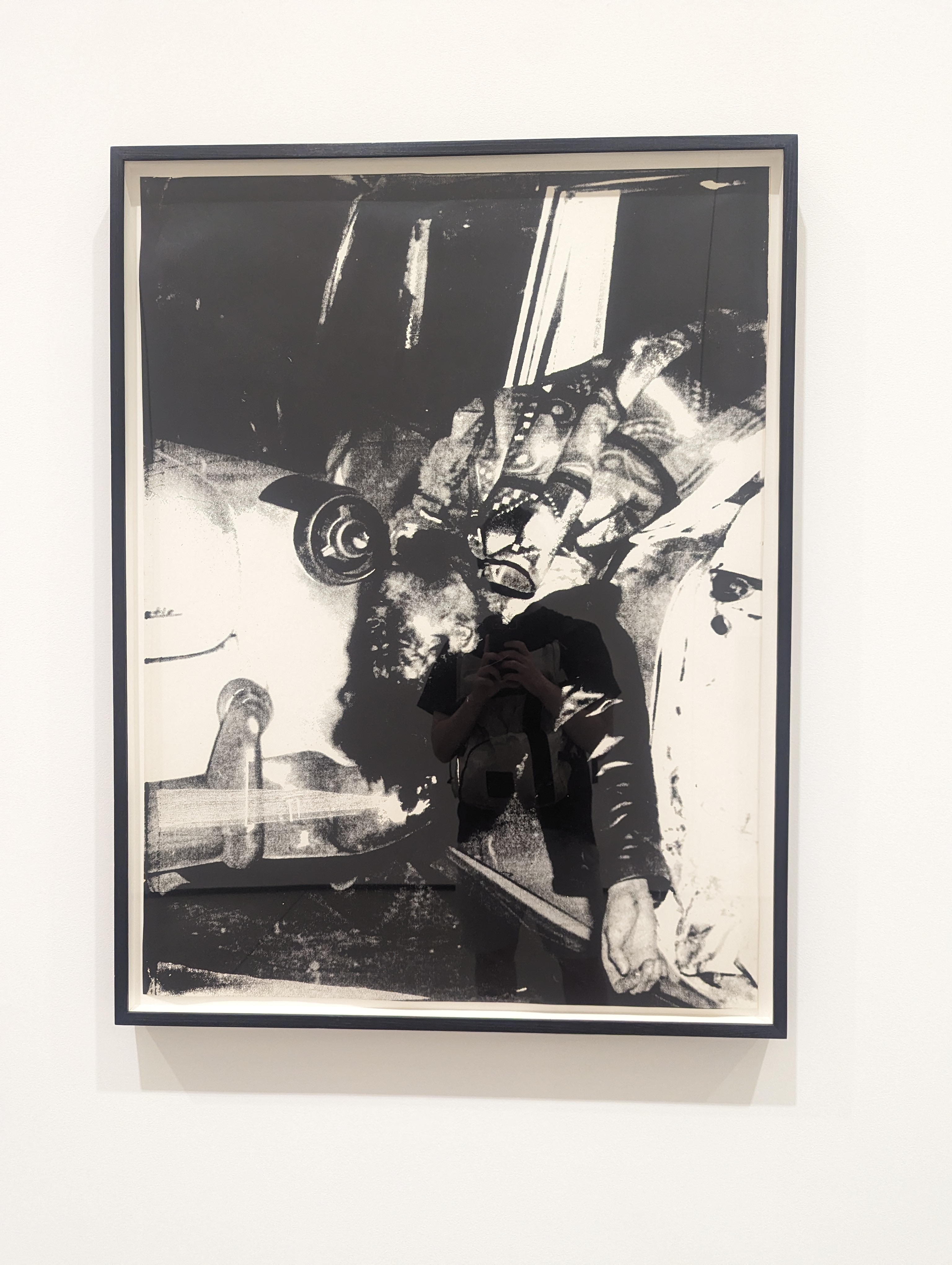

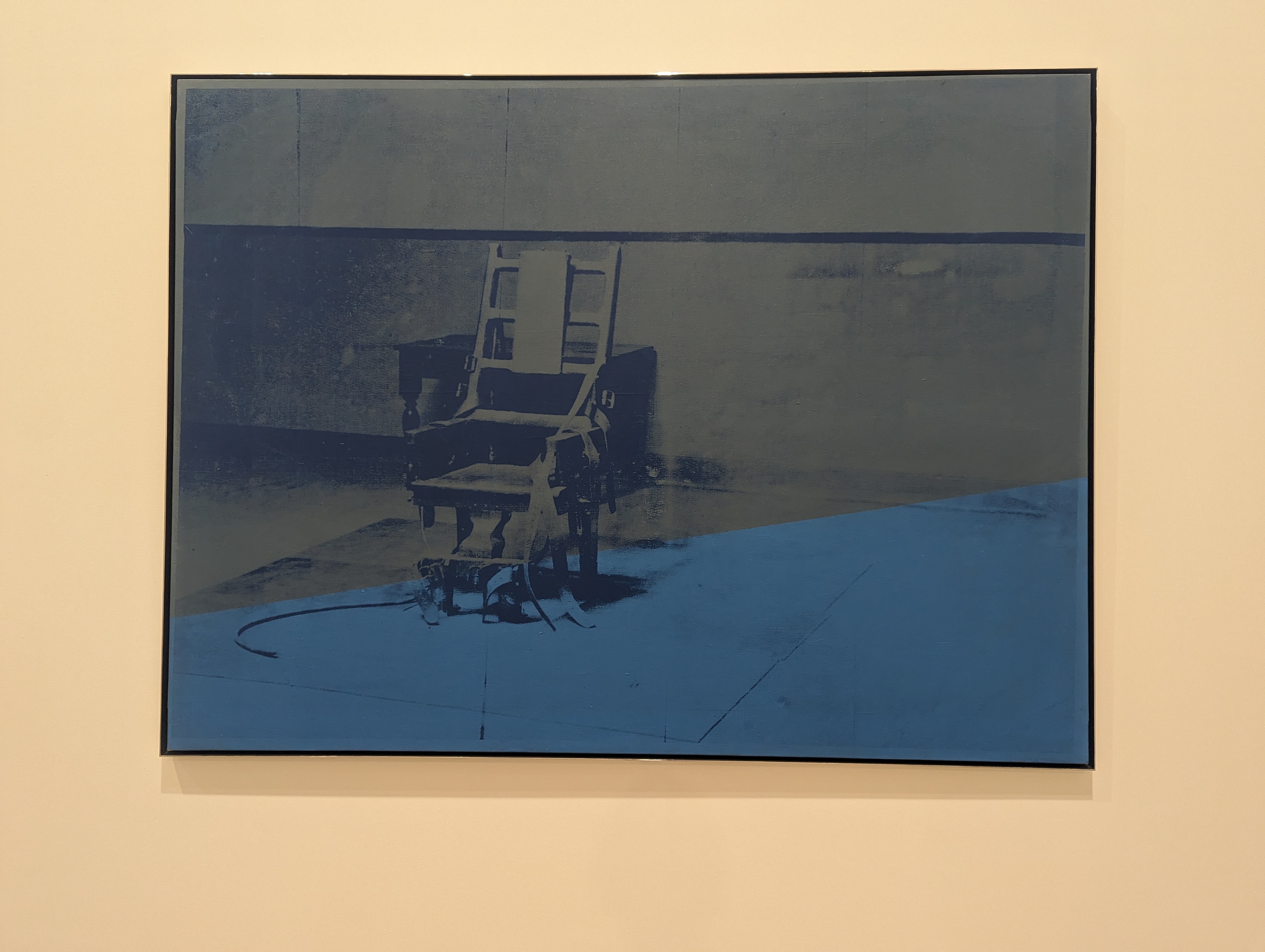


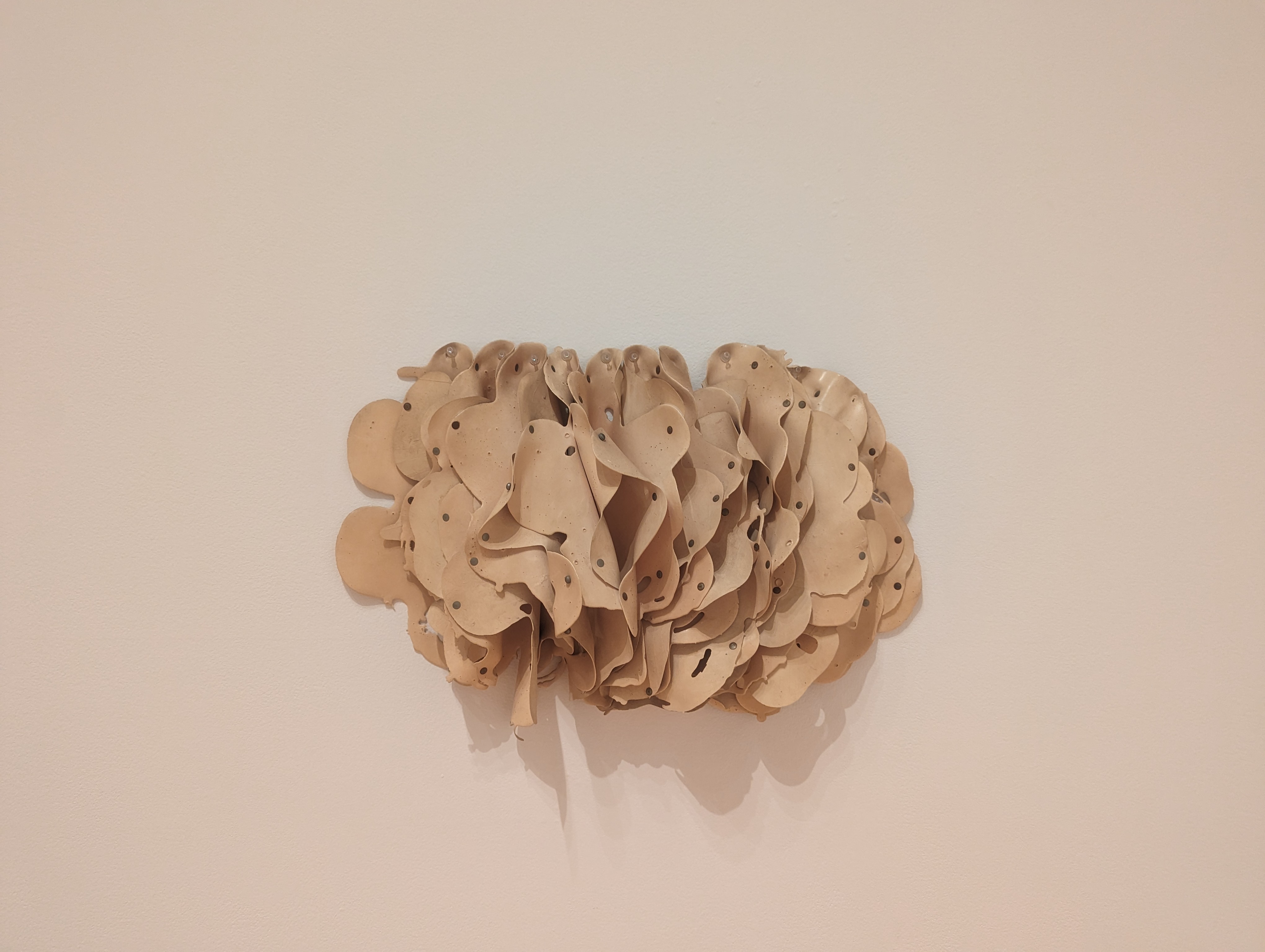
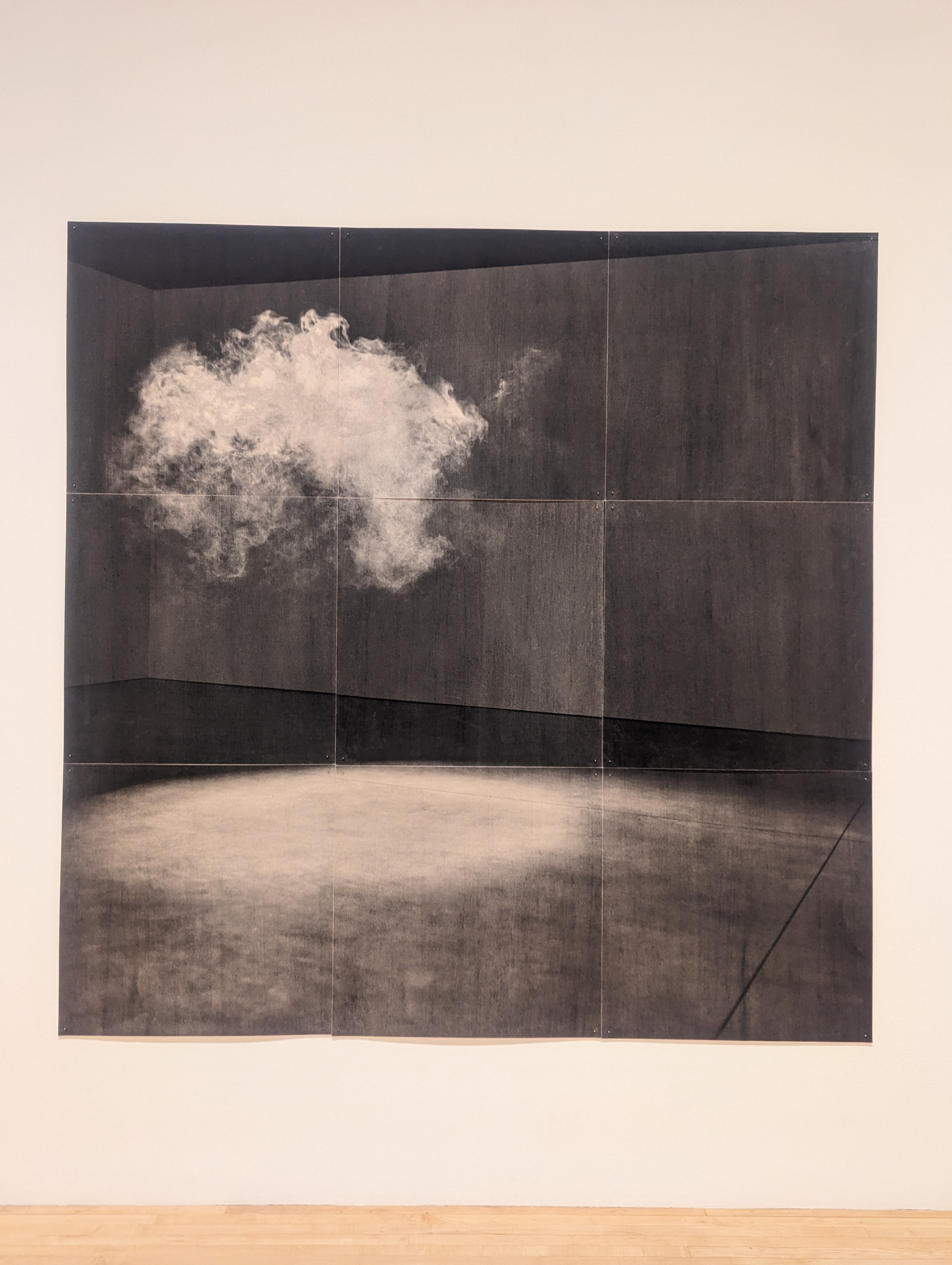

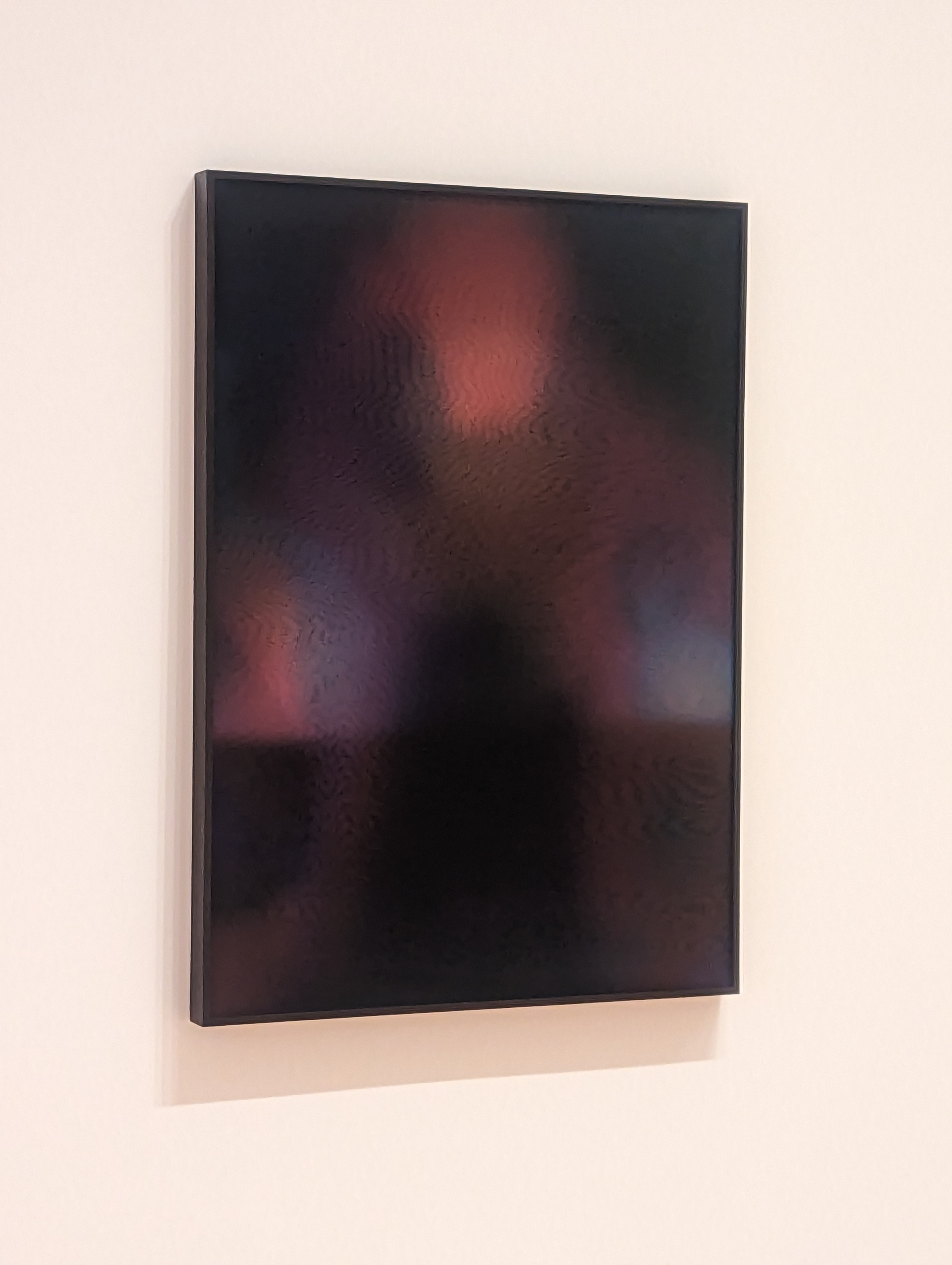


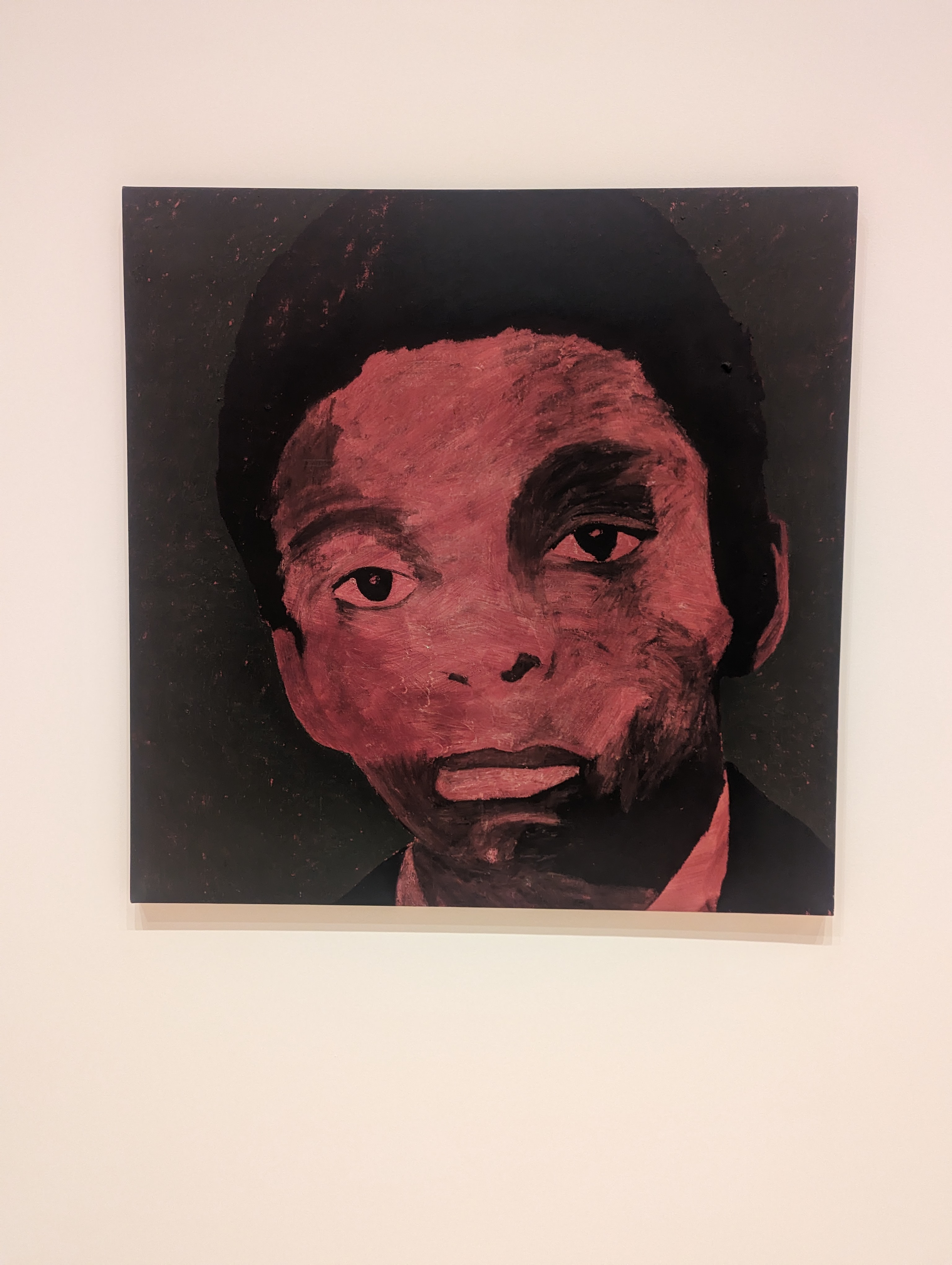

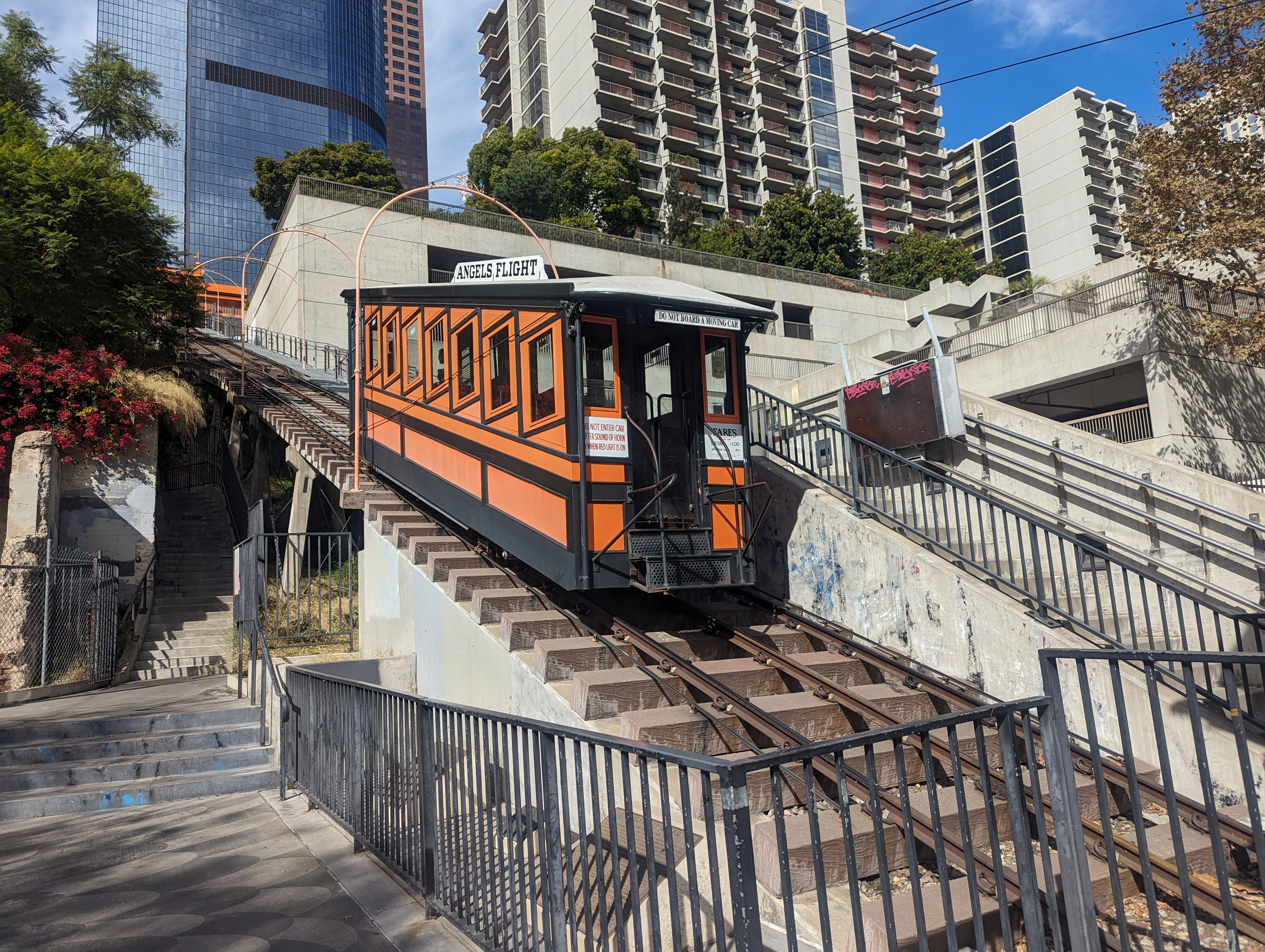


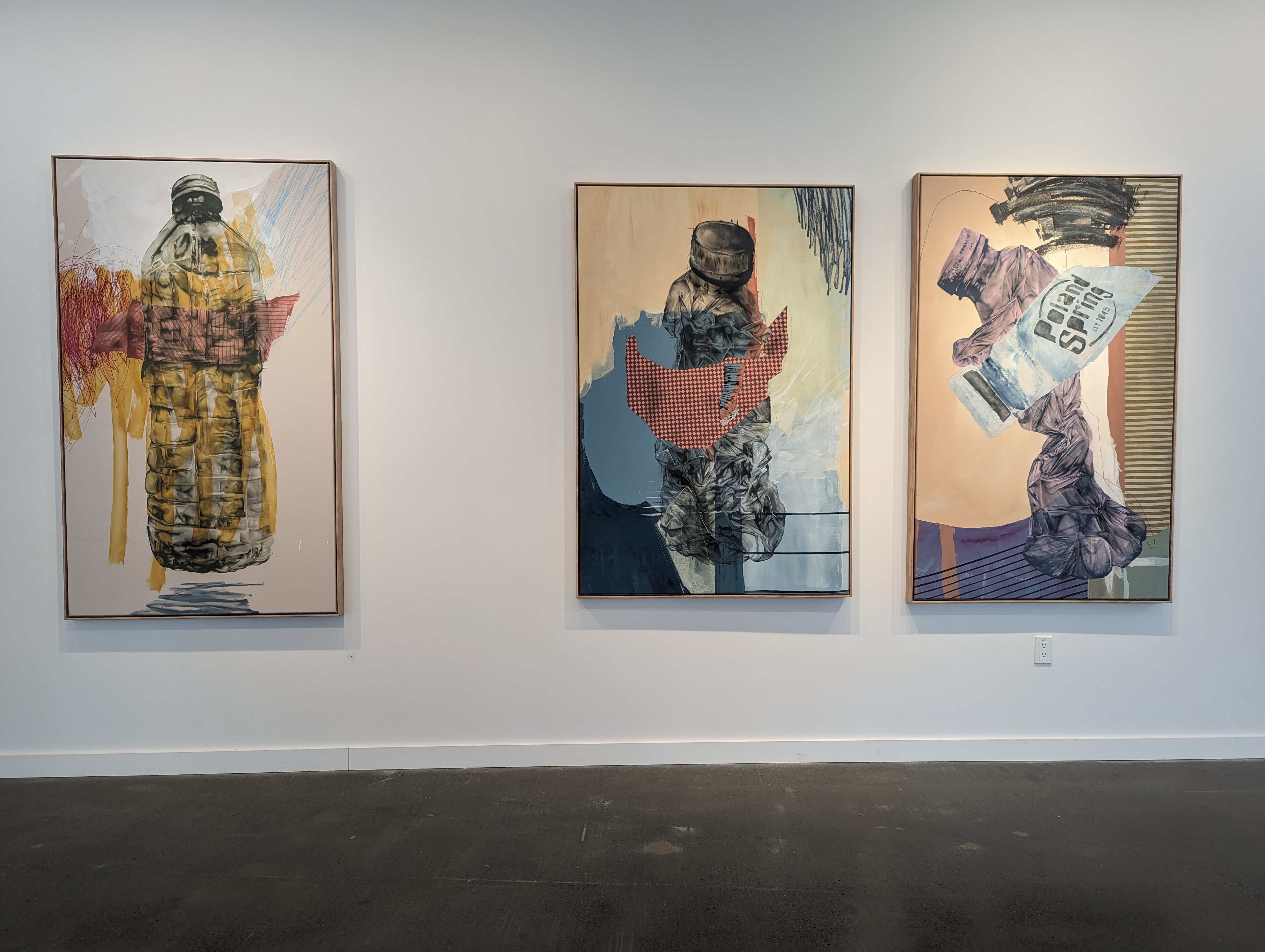


After that brief period, I was back in the UK, and heavily jetlagged. It took me a while to recover and seasoned travellers I’m sure could point out my rookie mistakes. I visited friends in Bristol, I went to art as much as I could. And here are some photos of these:
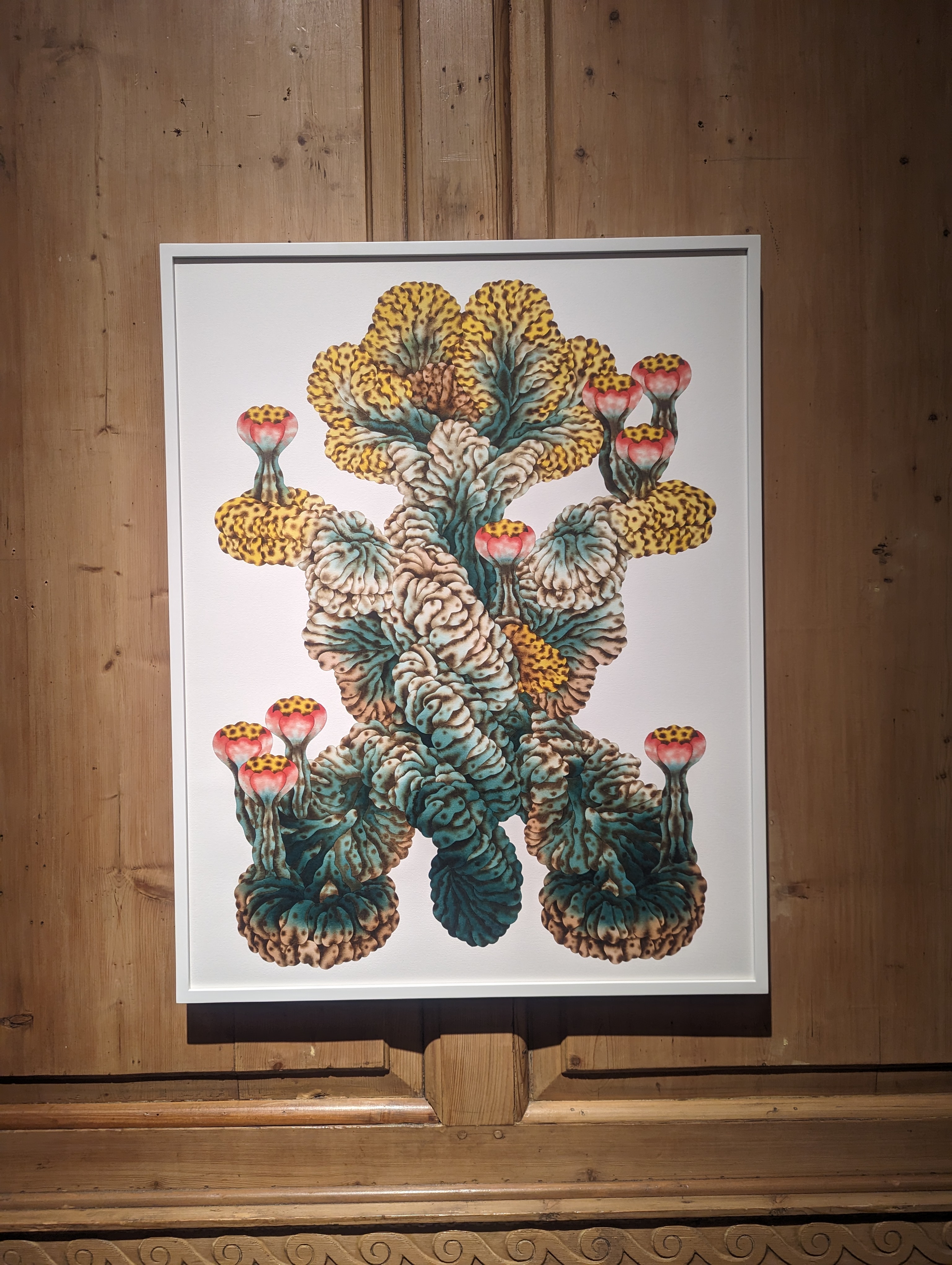

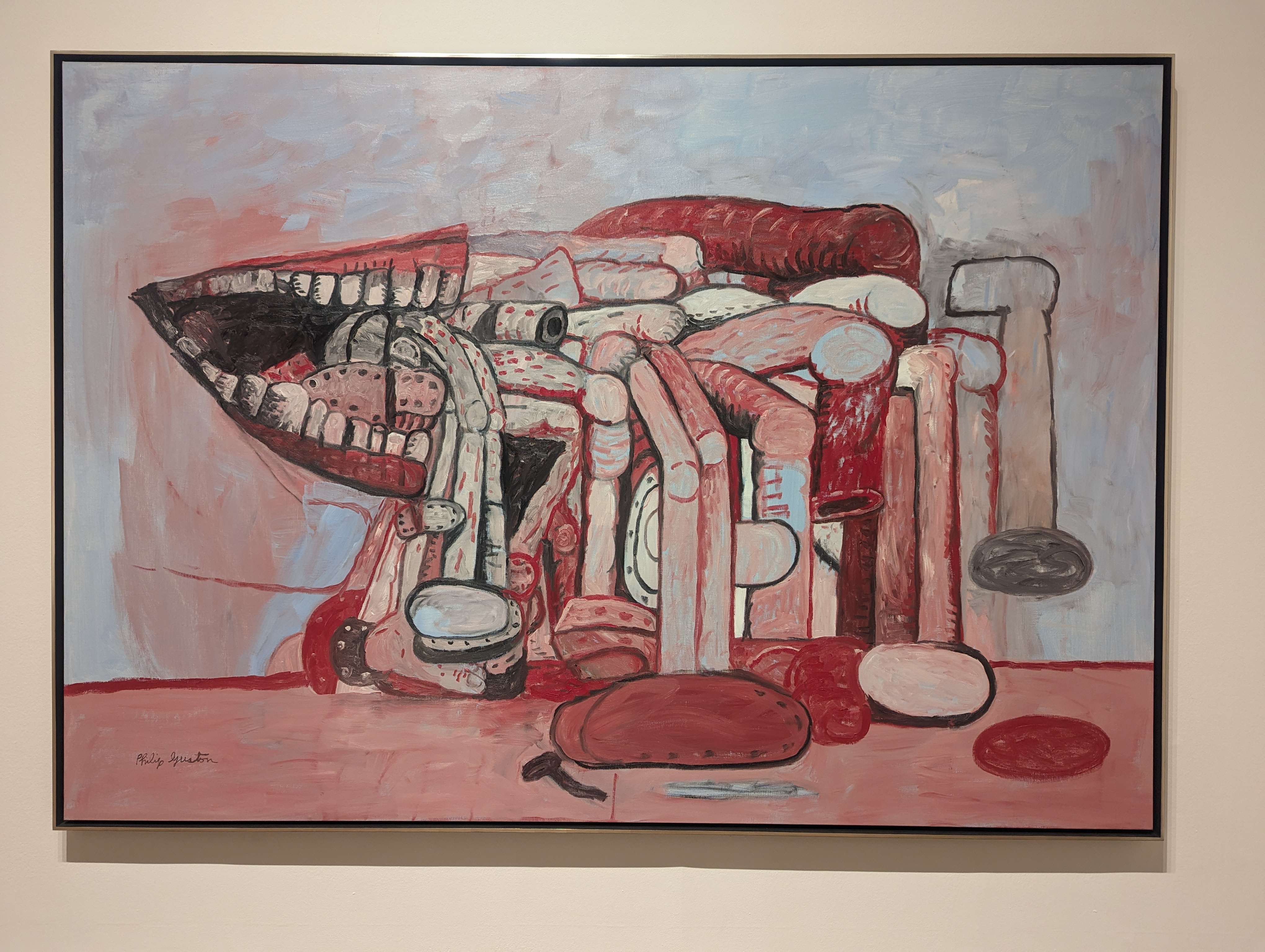
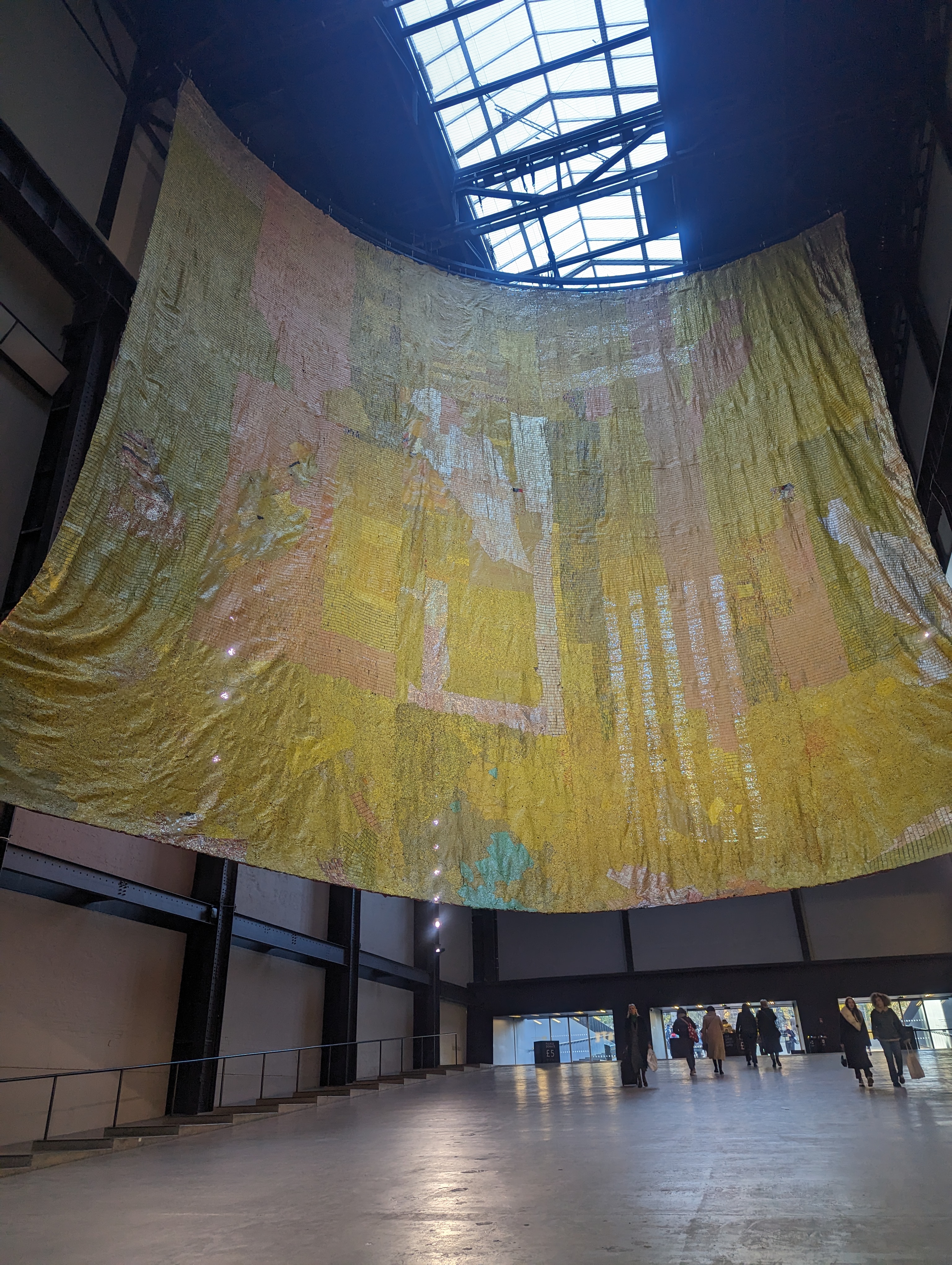
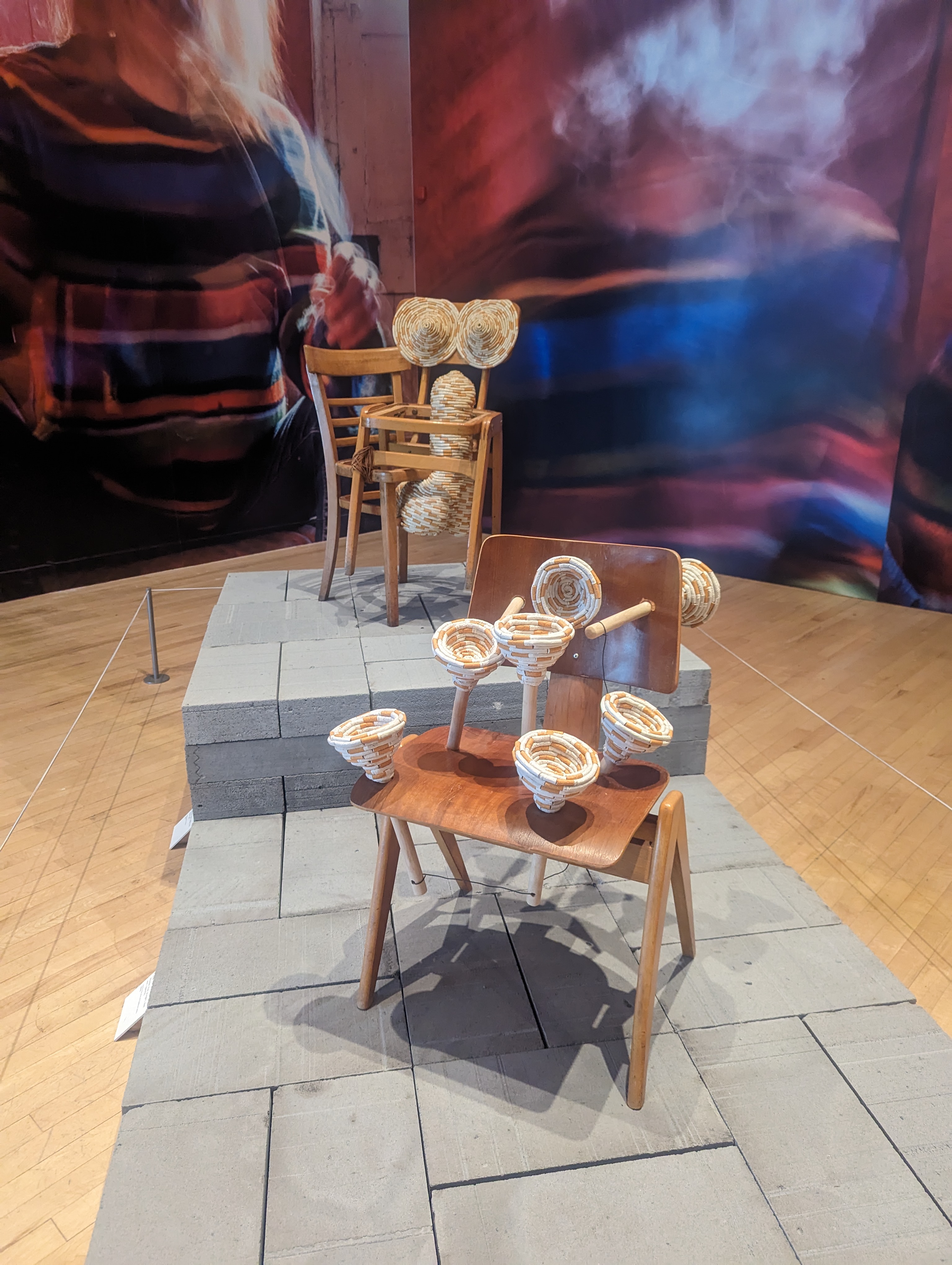


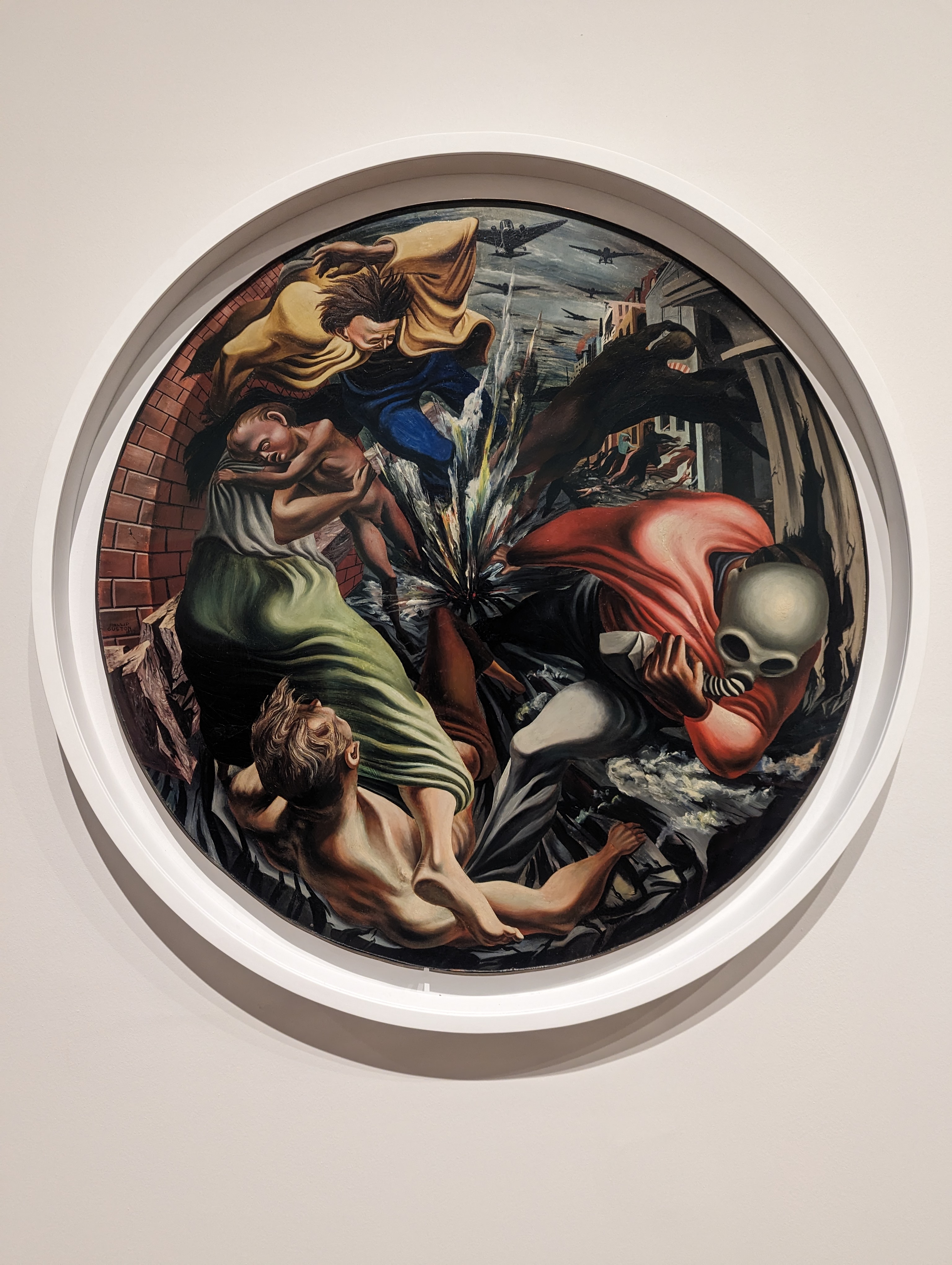

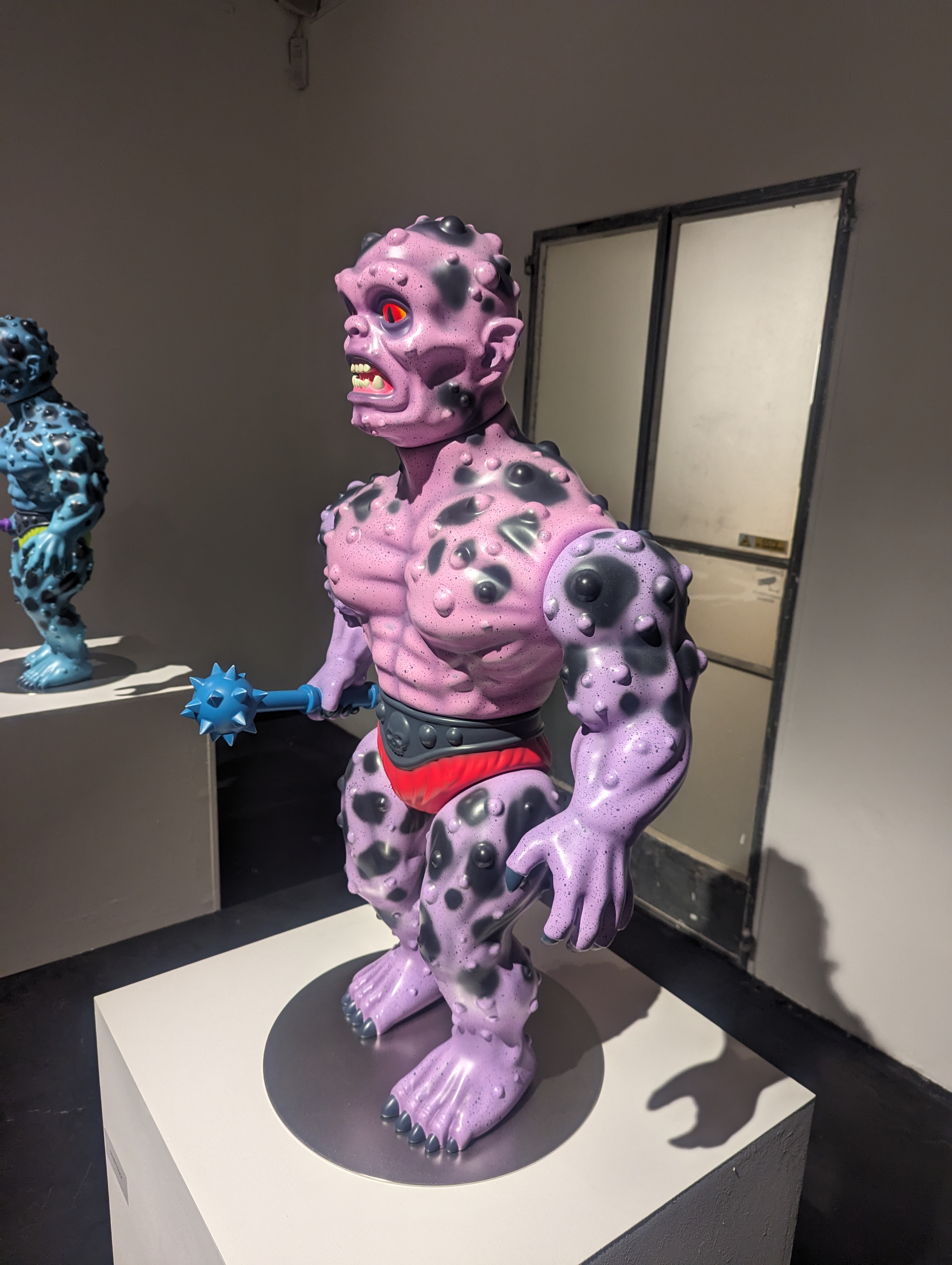

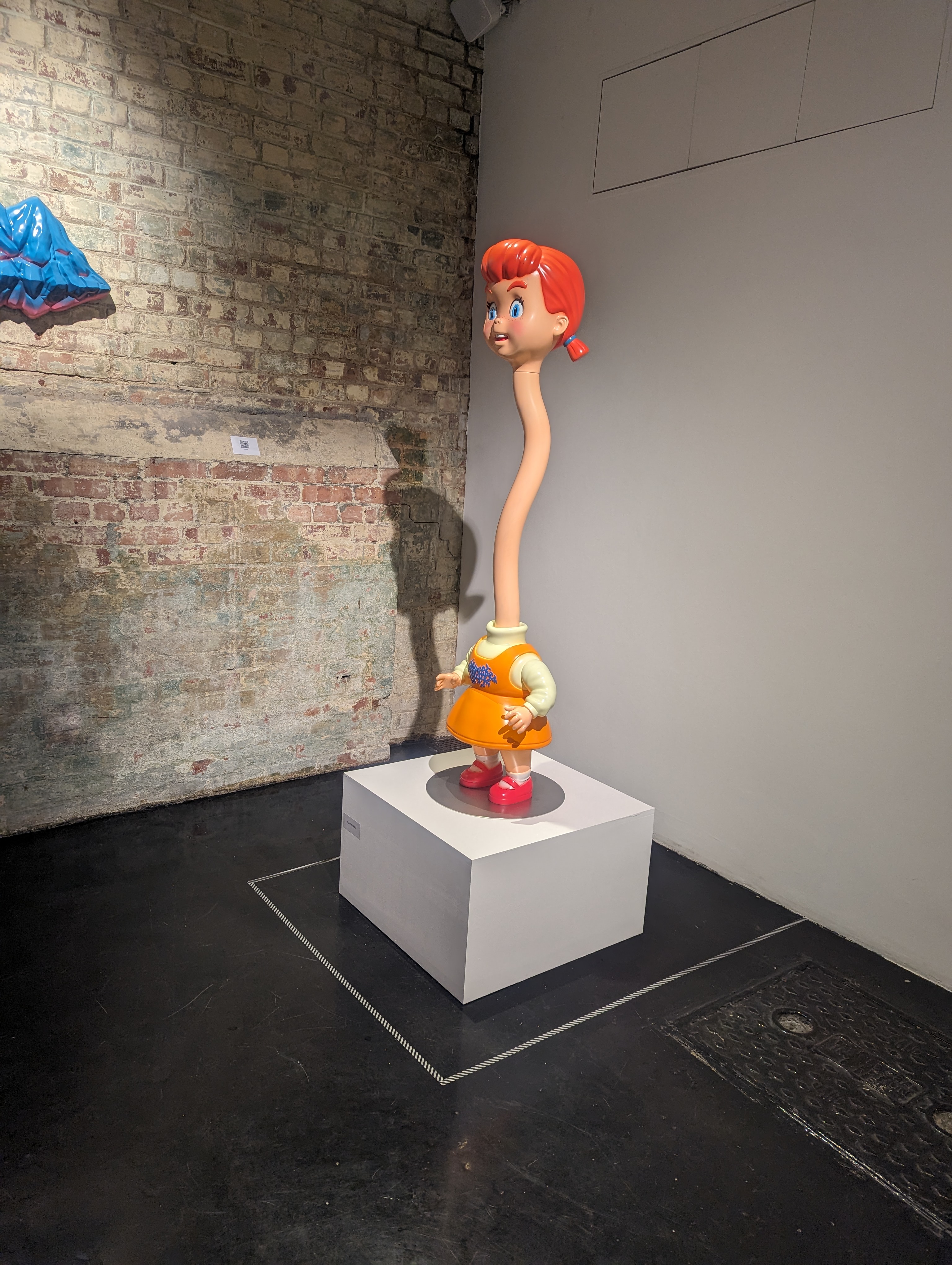

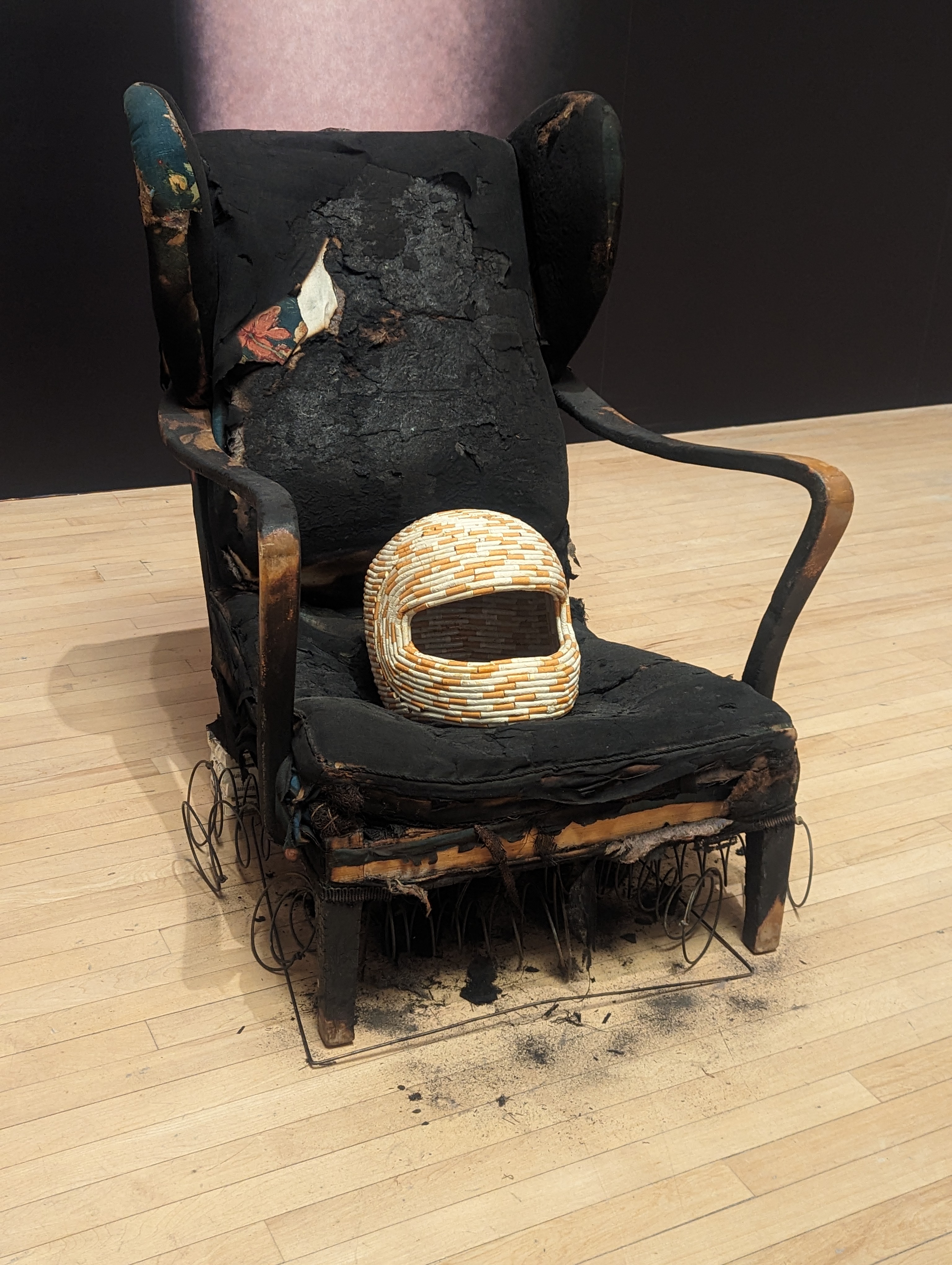

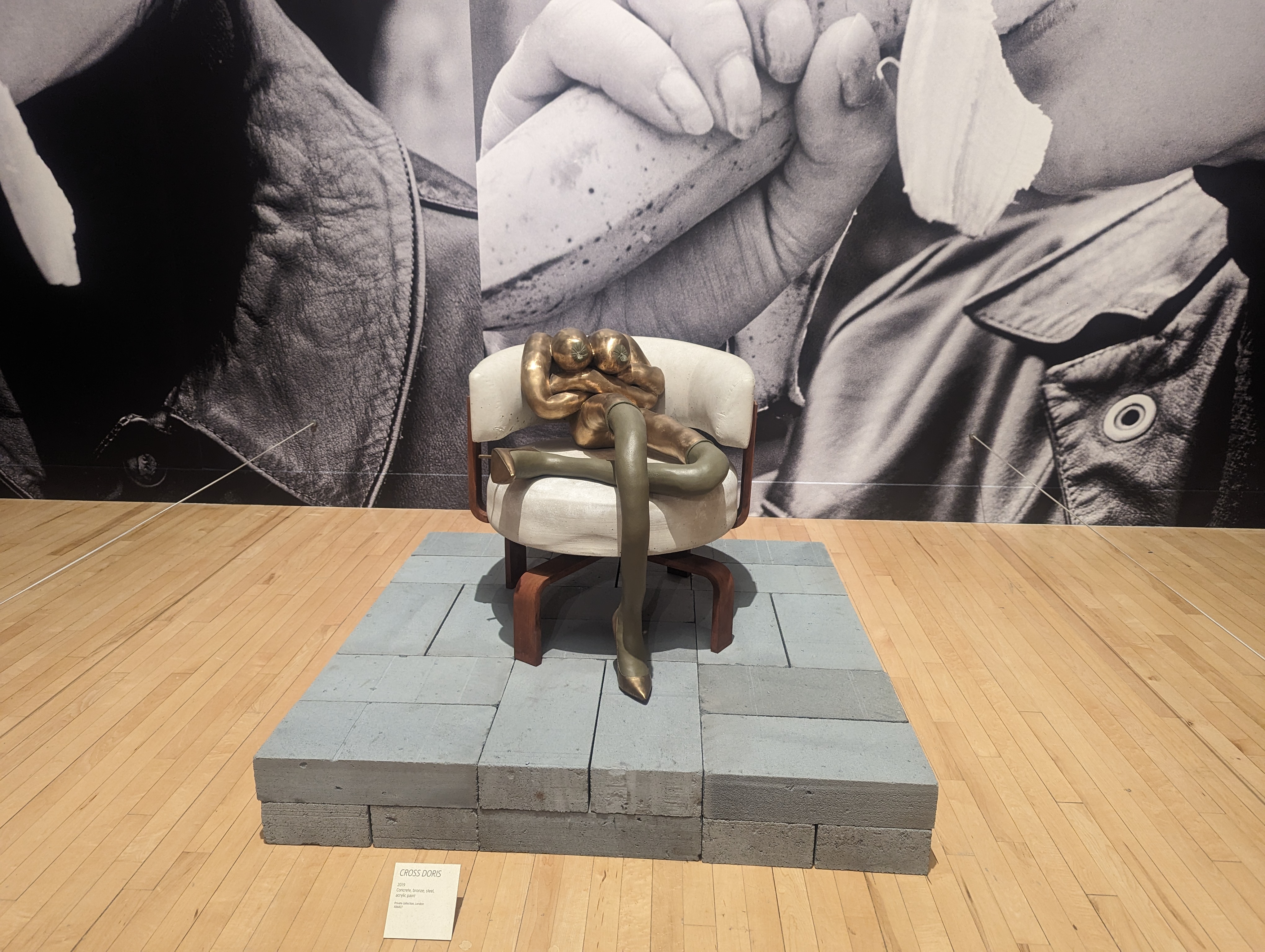
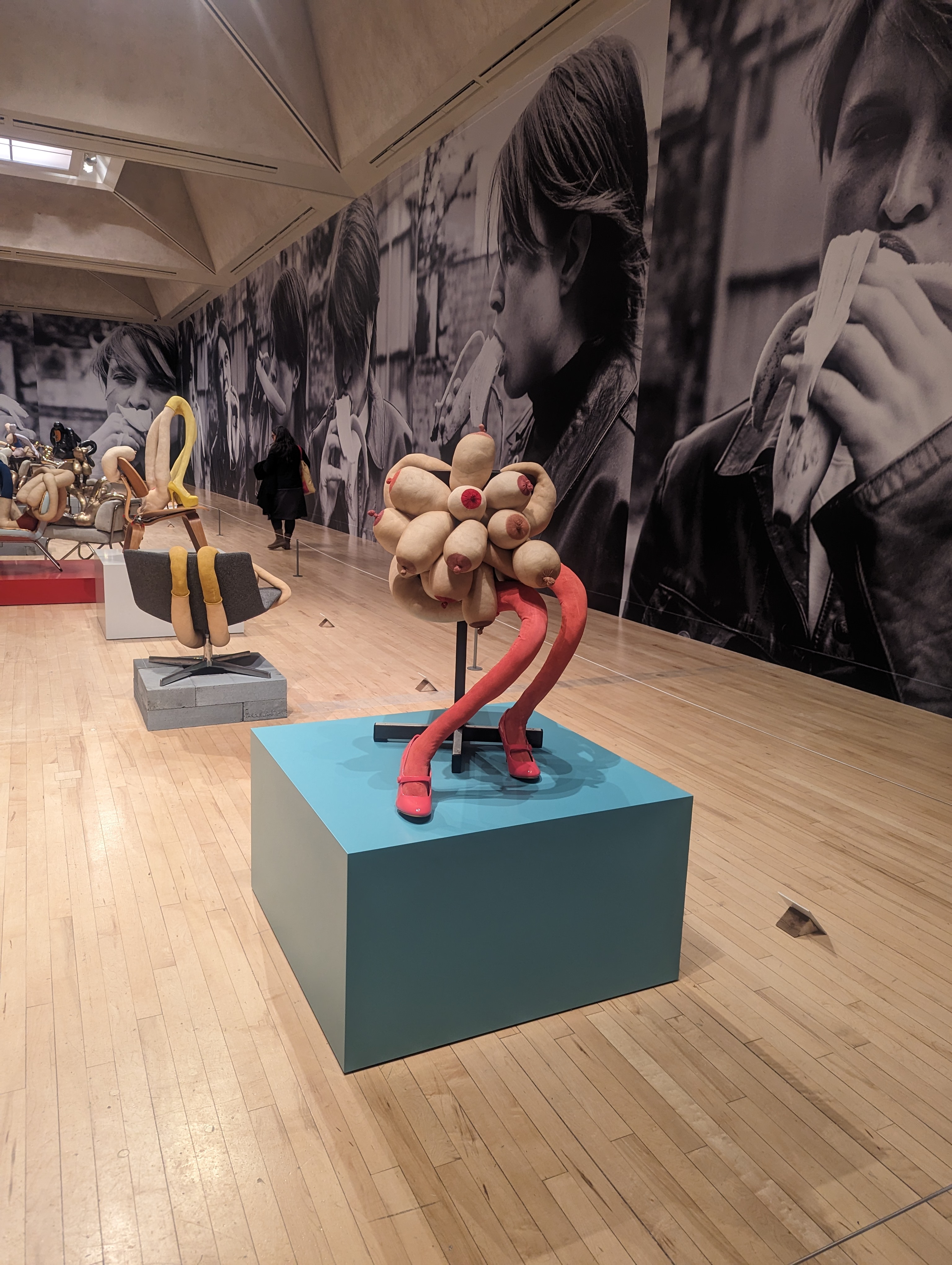


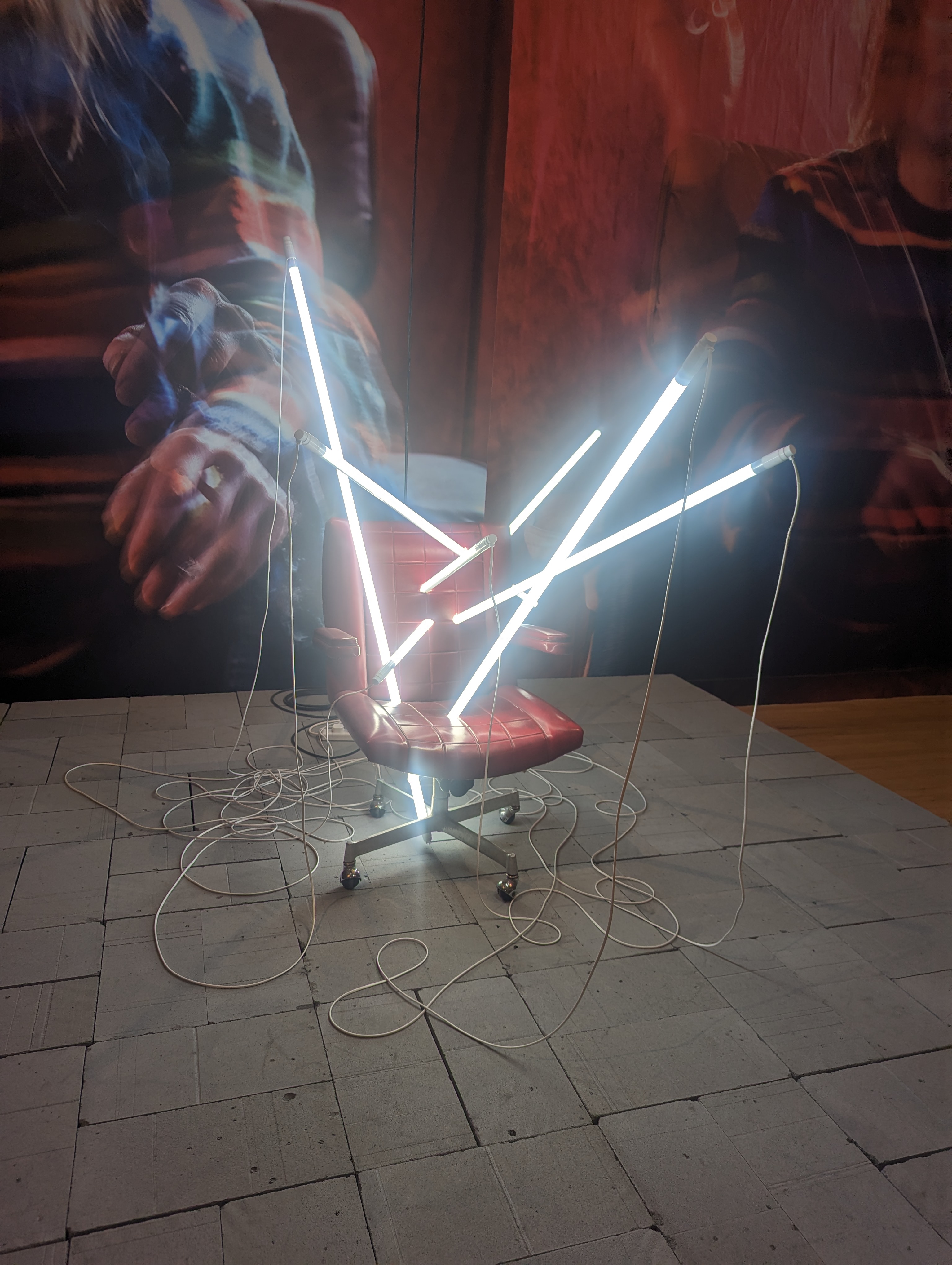

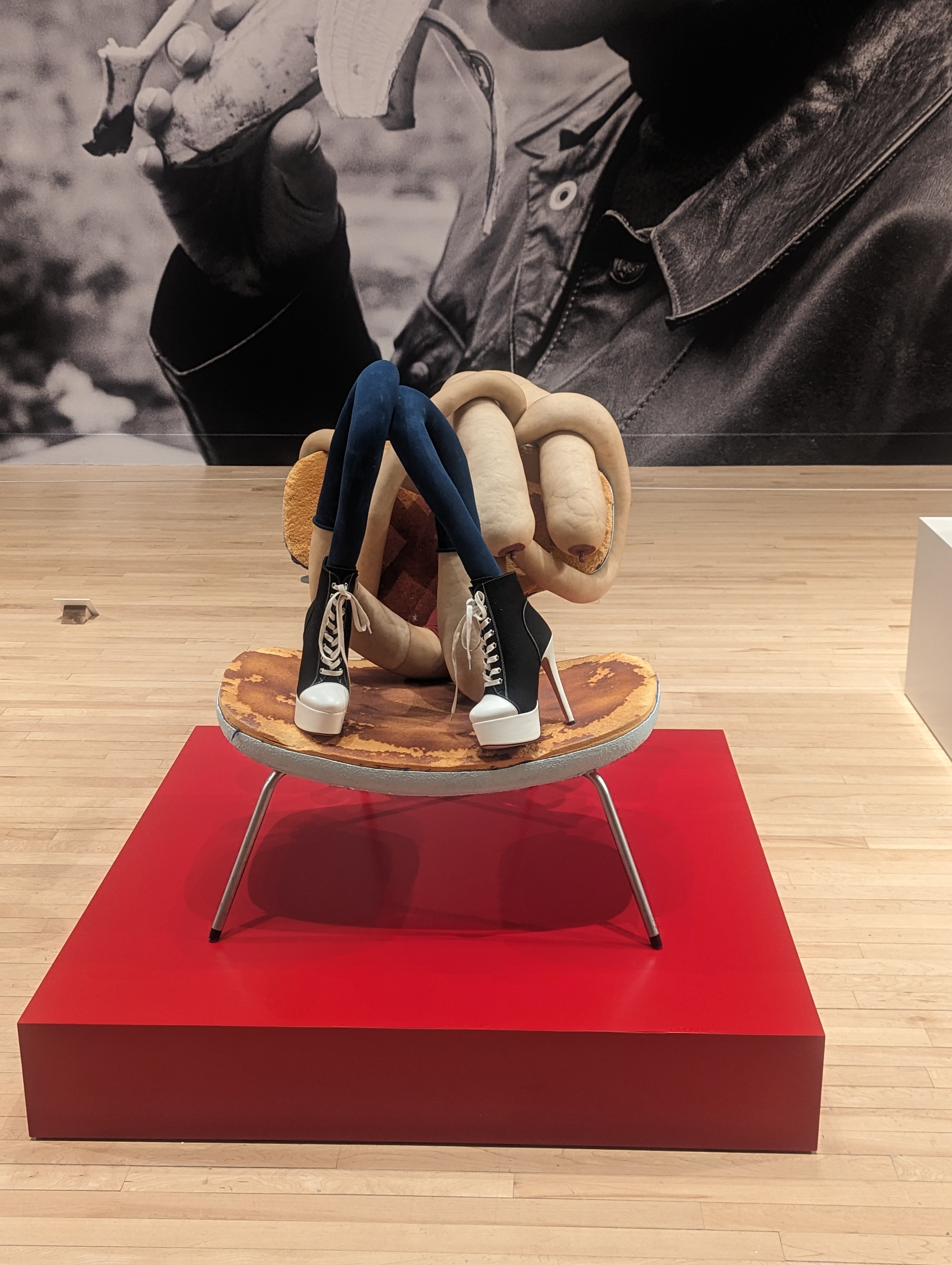

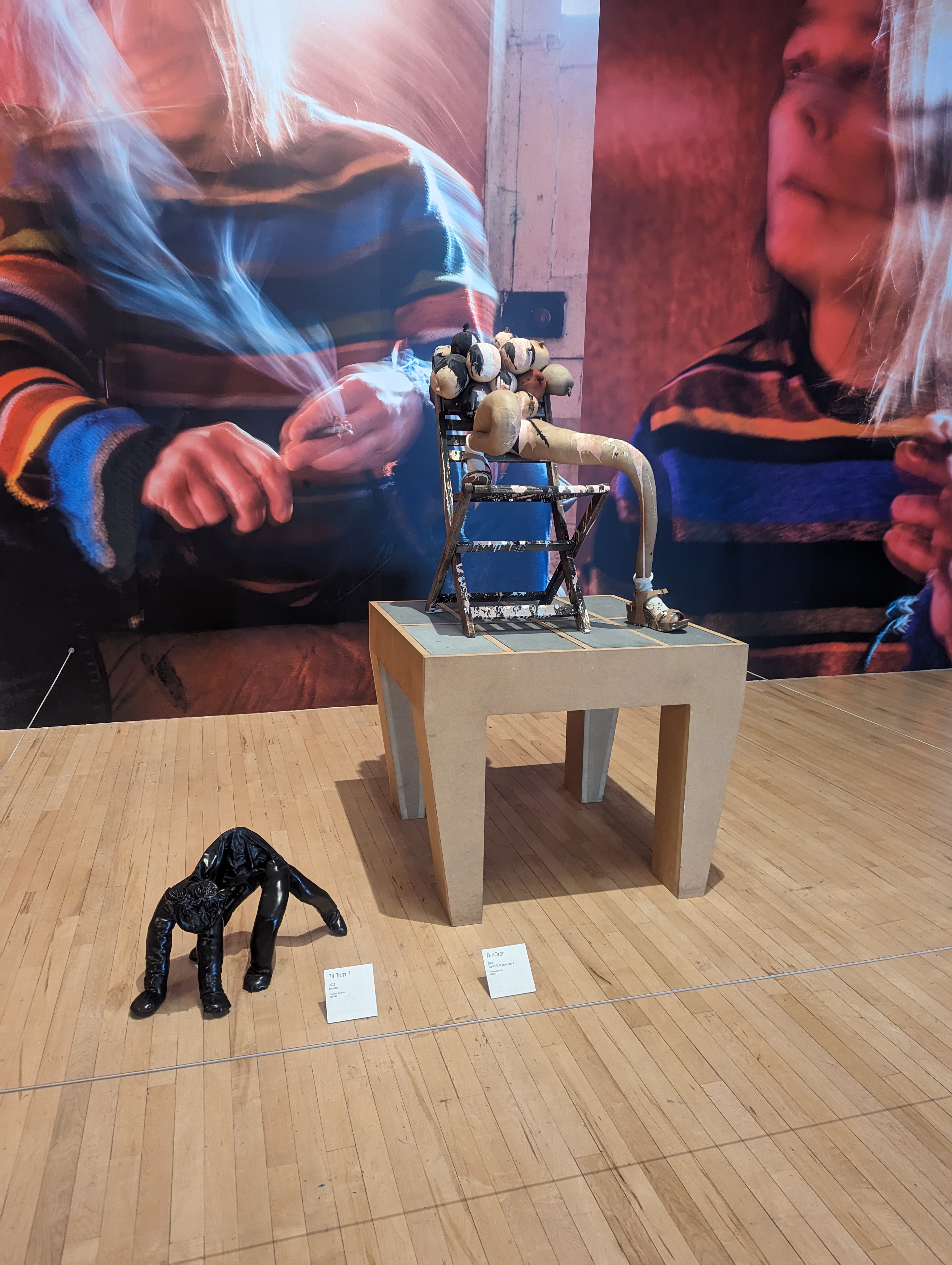


I began working on my next project, which I think I will save for a following post.

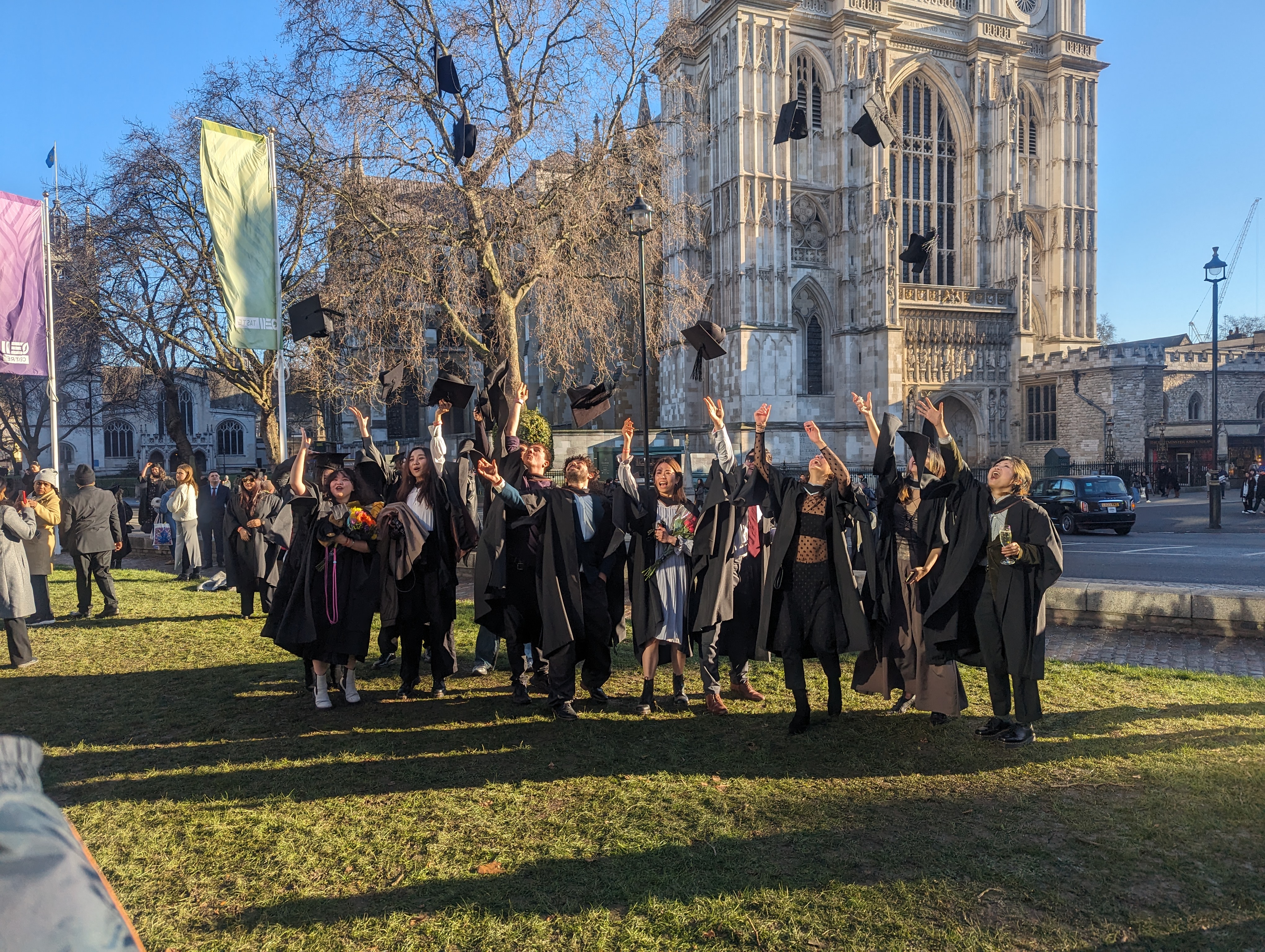
And finally, it all came to a close. Well studenthood did, at least for now. We lined up to the stage, and in a short flash, we had walked across and graduated.


When I began the MFA course, I was looking for a few things, I wanted an institution to help me find my way back towards the path of an art career, I wanted to learn about and have time to explore my ideas regarding computers, art, and developing my practice, I wanted to find collaborators and friends. And I believe I have managed to do all of these, and that it has put me in good stead to continue developing these new aspects of my life, of course, I didn’t get picked up by a major blue-chip gallery and get whisked off to Art Basel to become the new hot new thing, but I knew I had an opportunity to really push myself and make the most of things.
I had been worried about myself, and my expectations. When I did my GCSEs, I did well by objective standards, but slightly worse than my sister and my best friend, and I knew I could have done better, and that I could have put more into it and been validated more. The same thing happened with my A-Levels, I did excellently, but not perfect, and I had known at the time that I could have spent more effort in revising. And at Chelsea, I got a 2:1 and again, I had failed to fully grasp the opportunity and show the academic abilities I knew I had. Furthermore, throughout this 6 year period from age 15 to 21, I was dropping extra curricular activities, not exactly a party animal, letting myself go but not in a cool nihilistic, artistically informative, self-destructive way, just dropping the ball. I was working hard, and knew the value of it, but I kept allowing my focus to shift, and its effects made me miserable, grumpy, isolated, and regretful.
I came back to university to show myself that I was the person I had thought I was. That the time since leaving Chelsea had been worth the introspection, and that lessons had been learned about what I wanted to change in my own behaviour and approach, that I knew what I wanted to learn. That I knew that I wanted to learn.
I joined the drama society in first year, and took part in drunk Shakespeare, playing Puck in a Midsummer Night’s Drink. I applied for every opportunity to show work or participate in the course. I took charge of organising the second popup exhibition for the course alongside Malu Laet and Chase Young (Watch out for these names). I took the opportunity to run the space team in the final show, I participated at the EVA conference in June 22, and again at their popup show in 23. My work was chosen to display at the V&A’s Digital Design Weekend in September 22, I won a residency with Emergency Exit Arts (though this still hasn’t materialised). I took charge of the two popup shows for the MFA cohort in our MFA year, and again directed the Summer show. In the second year I worked as a TA on 3 modules. I did all this and through the entire course only failed to score a distinction in 1 of 10 modules and that was by 1 mark, so I guess still room for improvement.
Lots of the staff say that marks don’t matter, and maybe they’re right, or at least right to think so. However it does mean something to me, as I needed to prove to myself that I was a distinction student. I needed to weave myself into the course and take the reigns on my learning and become a vital part of its infrastructure. Because I needed to show myself that this was something I do care about and take seriously, that I could dedicate myself to a purpose and fulfill my expectations no matter how high they are.
And other people have done what I’d argue to be more impressive feats, keeping full time jobs and completing the masters full time for instance. I had the luxury to avoid that and the extra stress it provides, and so I am happy with how much I put in because I put that extra time to use on my work or into the course through other means. I’m proud of the number of people whose projects I gave some input on, I wanted to be (perhaps sometimes grumpily) there, in the hatchlab, ready to help if someone needed it, because I knew I had the skills and knowledge to provide that. And I have my reward in a paid job as a technician in the Hatchlab.
So there it is. Onto the next chapter. To Chase, to Malu, to Rosie (and to honorary Comparts student Lars) I love you all, I’m just saving up the money to visit you each.




 Robin Leverton
Leave a comment